When planning football events, organisers often compare indoor vs outdoor football fan zones to determine which environment will deliver the best supporter experience.
Both types of fan zones create exciting spaces where fans can watch matches, take part in football activities and engage with brands during major tournaments such as the World Cup. However, the location of the fan zone has a significant impact on the type of surface required.
Choosing the right surface is essential. Fan zones must handle heavy foot traffic, maintain a professional appearance and remain safe for visitors throughout the event. For many organisers, temporary artificial grass offers the most practical and visually authentic solution.
Why Surface Choice Matters for Fan Zones
Fan zones are high-traffic environments. Thousands of supporters may walk across the surface every day during a tournament.
A suitable surface must therefore:
- Handle continuous foot traffic
- Remain safe and stable
- Maintain its visual appearance
- Work across different venue types
Artificial grass is widely used in event environments because it stays visually consistent and performs reliably under heavy use, even when natural turf would deteriorate quickly.
For football-themed events, it also creates the instant visual connection to the sport that fans expect.
For a broader overview, see our guide to artificial grass for football events.
Indoor Fan Zones: Surface Requirements
Indoor fan zones are commonly hosted in:
- Exhibition halls
- Arenas
- Shopping centres
- Studios
- Event venues
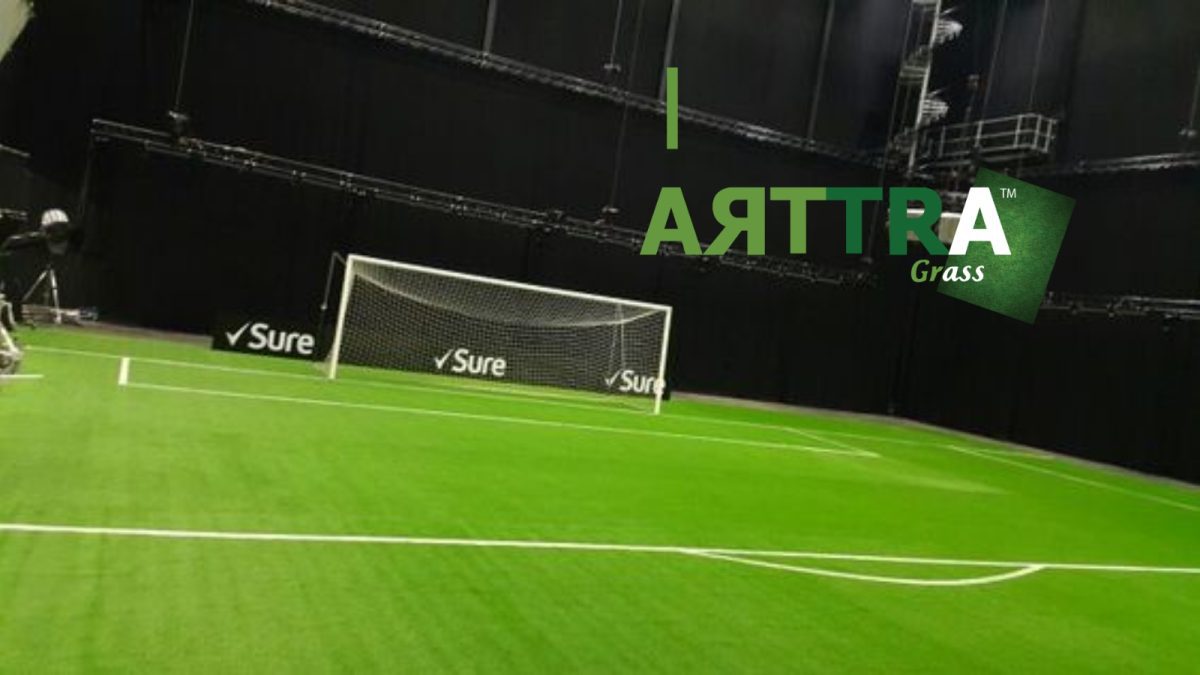
These environments typically have hard subfloors, such as concrete or wood.
Because of this, surfaces must be designed to:
- Install safely over hard floors
- Provide cushioning for comfort
- Maintain traction and stability
- Look realistic under artificial lighting
Artificial grass systems designed for indoor use often include shock-absorbing underlays, which help reduce impact and fatigue compared with standing directly on hard floors.
Another major advantage of indoor venues is weather independence. Events can run without disruption from rain, wind or temperature changes.
However, surfaces must also meet strict venue rules around:
- fire safety
- floor protection
- installation methods
This is where specialist temporary installations become important.
Outdoor Fan Zones: Different Challenges
Outdoor fan zones are often located in:
- public squares
- stadium surroundings
- waterfront areas
- parks
- festival sites
Outdoor environments bring additional considerations.
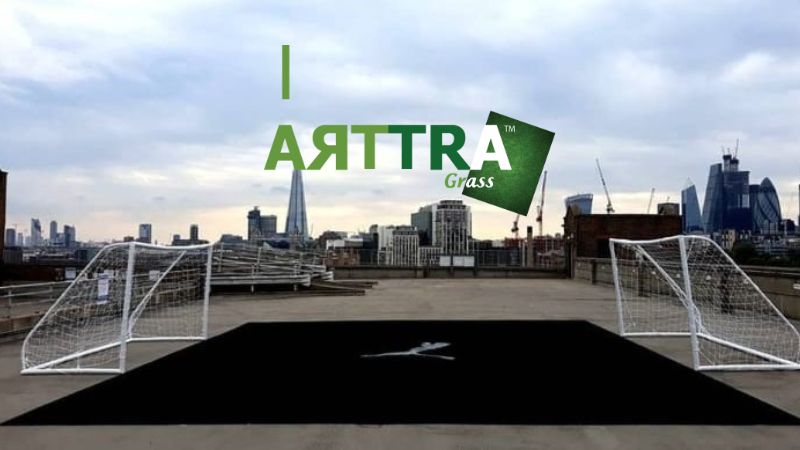
Weather Exposure
Rain can quickly turn natural grass surfaces into mud, creating safety issues and damaging the venue. Artificial grass systems avoid this problem because they drain effectively and maintain a stable surface during wet conditions.
Surface Durability
Outdoor fan zones may operate for several weeks during major tournaments. Surfaces must withstand:
- constant pedestrian traffic
- furniture and staging
- weather changes
Artificial grass is designed for heavy use and returns to optimal performance quickly without recovery time, unlike natural turf which needs time to repair after heavy wear.
Visual Impact
Outdoor fan zones are often photographed, filmed and shared across social media. Artificial grass provides a consistently green and camera-ready surface that enhances the overall environment.
Indoor vs Outdoor Fan Zones: Key Differences
| Factor | Indoor Fan Zones | Outdoor Fan Zones |
|---|---|---|
| Weather | Controlled environment | Exposed to weather |
| Subfloor | Hard floors (concrete, wood) | Ground, decking, or temporary flooring |
| Installation | Must protect venue floors | Must handle weather and drainage |
| Foot Traffic | High | Very high |
| Surface Goal | Comfort + realism | Durability + weather resistance |
Despite these differences, temporary artificial grass works effectively in both environments because it can be tailored to the installation conditions.
Why Artificial Grass Is Ideal for Football Fan Zones
For football tournaments such as World Cup 2026, organisers increasingly rely on artificial grass because it delivers:
- Authentic football aesthetics
- Reliable performance in different environments
- High durability under heavy use
- Minimal maintenance during events
Artificial grass also allows event organisers to create interactive experiences such as:
- mini football pitches
- skills challenges
- brand activations
- photo areas
These installations help transform a simple viewing area into a fully immersive football environment.
Learn more about how this works for major tournaments on our page about temporary artificial grass for World Cup 2026 events.
Planning Fan Zone Surfaces for Major Tournaments
As football tournaments approach, demand for temporary event infrastructure increases rapidly.
Planning early allows organisers to:
- design the correct surface system
- coordinate installation schedules
- ensure safety compliance
- secure specialist installers
Whether a fan zone is indoors or outdoors, the right artificial grass solution helps deliver a professional, football-focused environment that enhances the overall event experience.
FAQs: Indoor vs Outdoor Football Fan Zones
What surface is best for football fan zones?
Artificial grass is commonly used because it creates an authentic football environment while handling heavy foot traffic and maintaining a consistent appearance throughout the event.
Can artificial grass be installed inside buildings for fan zones?
Yes. Temporary artificial grass systems are designed to be installed over hard floors in venues such as exhibition halls, arenas and studios while protecting the underlying surface.
Why is artificial grass popular for outdoor fan zones?
Artificial grass performs well in outdoor environments because it drains efficiently, stays stable during rain and withstands large numbers of visitors without becoming muddy or damaged.
Do indoor and outdoor fan zones use different types of artificial grass?
Often they do. Indoor installations may include cushioning layers for comfort on hard floors, while outdoor installations focus more on drainage, weather resistance and durability.
How early should fan zone surfaces be planned for World Cup events?
Planning for temporary artificial grass for World Cup 2026 events should start several months in advance to secure materials, installation teams and access windows.
GET IN TOUCH