Categories
Commercial

Artificial Grass Rushden Lakes

Shopping Centre Case Study

This artificial grass Rushden Lakes installation showcases how ARTTRAGrass® can transform high-traffic commercial environments into attractive, functional and durable spaces.

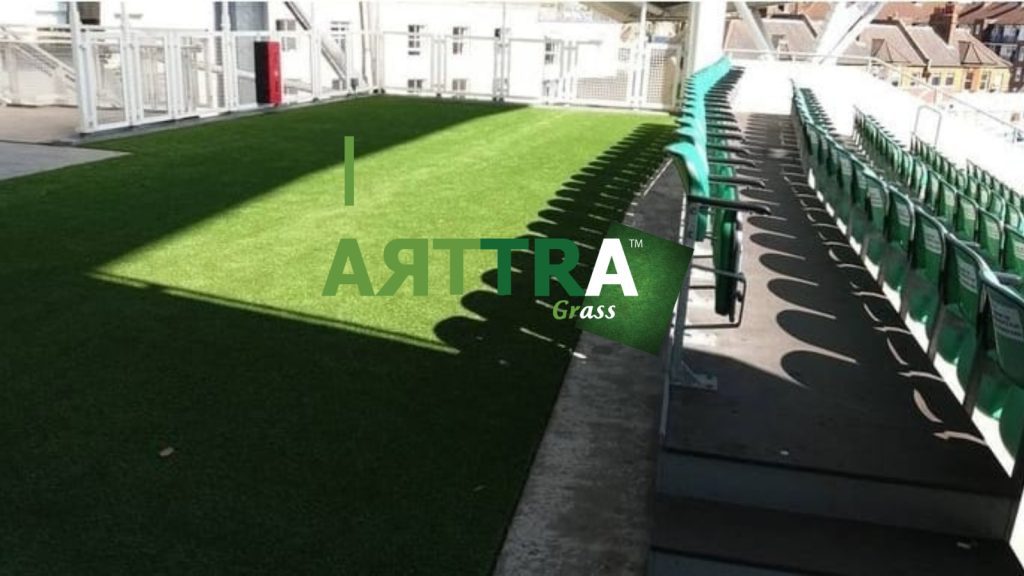
Completed recently at Rushden Lakes Shopping Centre, the project involved installing over 100sqm of artificial grass within the busy food court area, as well as additional applications across the community shed rooftops.

The objective was clear:

  • Improve visual appeal
  • Create a more inviting space for visitors
  • Provide a durable, low-maintenance surface
  • Enhance customer experience

The Challenge: High-Footfall Commercial Environment

Shopping centres present a unique challenge for flooring and surfacing solutions.

At Rushden Lakes, the food court area is:

  • Constantly in use
  • Subject to heavy foot traffic
  • Exposed to food and drink spillages
  • Required to maintain a clean, welcoming appearance

Traditional surfaces can often feel:

  • Hard and uninviting
  • Visually cold
  • Lacking in character

The client wanted a solution that would:

  • Soften the environment
  • Improve aesthetics
  • Maintain durability under pressure
ARTTRAGrass Rushden Lakes Shopping Before
Before installing ARTTRAGrass® Artificial Grass at the Rushden Lakes Shopping Centre

The Solution: ARTTRAGrass® Commercial Installation

We installed over 100sqm of ARTTRAGrass® artificial grass within the food court seating area.

This created a space that feels:

  • Warmer
  • More relaxed
  • Visually appealing
  • Comfortable for visitors

Artificial grass introduces a natural aesthetic that contrasts perfectly with retail surroundings.
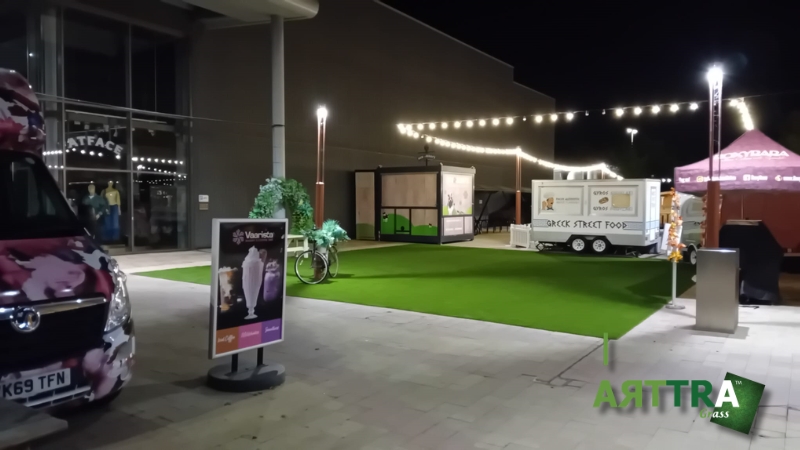
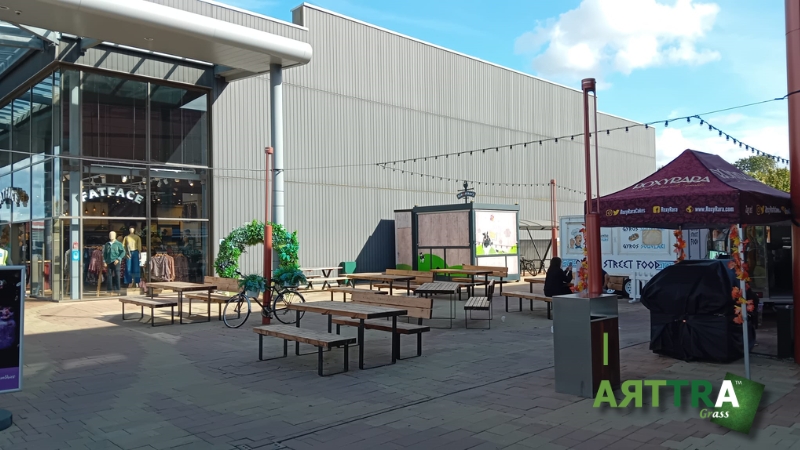
ARTTRAGrass Rushden Lakes Shopping After
After installing ARTTRAGrass® Artificial Grass at the Rushden Lakes Shopping Centre

Community Sheds: A Unique Application

In addition to the food court installation, ARTTRAGrass® was also used to cover the roofs of the community sheds.

These sheds are used by:

  • Local businesses
  • Independent traders
  • Pop-up exhibitors

By installing artificial grass on the rooftops, the shopping centre achieved:

  • A visually striking feature
  • A cohesive design across the space
  • A softer, more natural aesthetic

This demonstrates the versatility of artificial grass beyond traditional ground-level applications.
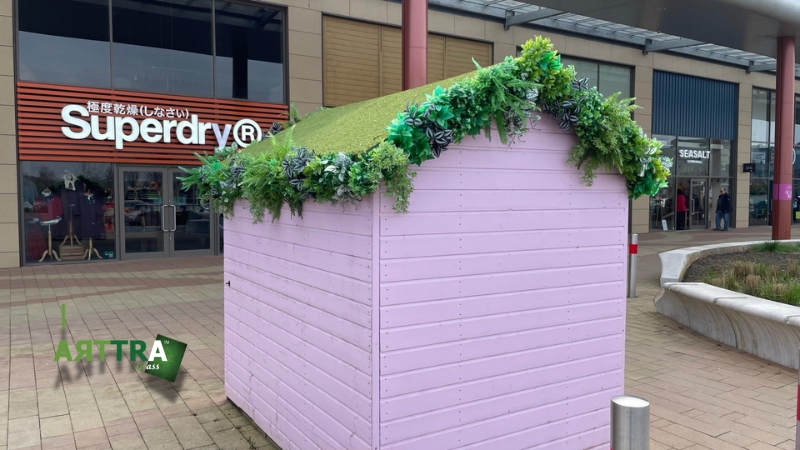
ARTTRAGrass® Rushden Lakes Shopping Pink Shed
Pink shed roof with ARTTRAGrass® Artificial Grass at Rushden Lakes Shopping Centre

Why Artificial Grass Works in Commercial Spaces

Artificial grass is increasingly used in retail and commercial environments because it offers:

The Visual Impact

It instantly transforms spaces, making them:

  • More inviting
  • More modern
  • More memorable

Durability

Designed to handle:

  • Constant foot traffic
  • Daily use
  • Public environments

Low Maintenance

No need for:

  • Watering
  • Mowing
  • Intensive upkeep

This is especially valuable in commercial settings where downtime must be minimised.


Versatility

Artificial grass can be installed:

  • Indoors
  • Outdoors
  • On hard surfaces
  • On rooftops

Performance in a Live Environment

Since installation, the artificial grass at Rushden Lakes has proven to be:

  • Highly durable
  • Easy to maintain
  • Visually consistent
  • Resistant to wear

Even in a busy food court setting, the surface continues to perform as intended.


Eco-Friendly Commercial Landscaping

ARTTRAGrass® systems are designed with sustainability in mind.

Compared to traditional landscaping, they offer:

  • No water usage
  • No chemical treatments
  • Reduced maintenance emissions
  • Recyclable materials that can be recycled at a local recycling centre

This aligns with the growing demand for environmentally responsible commercial solutions.


Ideal Applications for Commercial Artificial Grass

This project highlights how artificial grass can be used in:

  • Shopping centres
  • Retail parks
  • Hospitality venues
  • Event spaces
  • Exhibition areas

Creating spaces that are both practical and visually engaging.


Project Summary

Location: Rushden
Site: Rushden Lakes Shopping Centre
Application Areas:

  • Food court (116sqm)
  • Community shed rooftops

Objective: Improve aesthetics and usability
Solution: Installation by the ARTTRAGrass® artificial grass Rushden team
Outcome: Durable, visually engaging commercial space


FAQs: Artificial Grass Rushden Lakes Shopping Centre Case Study

1. Is artificial grass suitable for commercial environments?

Yes. Artificial grass is highly durable and ideal for high-traffic areas such as shopping centres and event spaces.

2. Can artificial grass handle heavy foot traffic?

Yes. Commercial-grade artificial grass is designed for continuous use.

3. Is artificial grass easy to maintain in public spaces?

Yes. It requires minimal maintenance compared to traditional surfaces.

4. Can artificial grass be installed indoors?

Yes. It can be installed both indoors and outdoors.

5. Is artificial grass safe for public areas?

Yes. It provides a stable, non-slip surface suitable for public use.

6. Can artificial grass be installed on rooftops?

Yes. With the correct preparation, artificial grass can be installed on rooftop structures.

7. Does artificial grass improve customer experience?

Yes. It creates a more welcoming and comfortable environment.

8. Is artificial grass environmentally friendly?

Modern systems can be recyclable and reduce water and chemical use.

9. How long does artificial grass last in commercial settings?

Typically 8–15 years depending on usage.

10. Do you provide commercial artificial grass installations?

Yes. ARTTRAGrass® works on commercial, retail and public space projects.

GET IN TOUCH
Schedule a Visit

Categories
Back Garden Residential

Artificial Grass Installation Kettering

Mawsley Case Study – Eco-Friendly Garden Transformation

This artificial grass installation Kettering project in Mawsley was completed just last week, transforming a patchy, mud-prone lawn into a clean, safe and eco-friendly garden for a young family.

For years, the homeowners had struggled with:

  • Patchy, worn natural grass
  • Mud constantly being brought into the house
  • Children unable to play outside during wet weather
  • Ongoing frustration with maintenance

However, this project had an additional layer.

The homeowner’s husband, Stuart, had resisted artificial grass for over six years due to environmental concerns.

Like many environmentally conscious homeowners, he believed most artificial grass products on the market were not sustainable.

That changed when he discovered ARTTRAGrass® BioGrass and EcoGrass.


The Problem: Patchy Lawn & Mud Disrupting Family Life

The garden in Mawsley had become increasingly difficult to manage.

Natural grass was struggling due to:

  • Regular foot traffic from children
  • Seasonal weather conditions
  • Poor recovery after wear
  • Inconsistent growth

Over time, the lawn became:

  • Patchy and uneven
  • Muddy during wet conditions
  • Visually unattractive
  • Unsafe for regular play

For the family, this meant:

  • Children unable to enjoy the garden
  • Mud being constantly walked into the home
  • Increased cleaning and frustration
  • Limited use of outdoor space

Like many homeowners in the Kettering area, they reached a point where natural grass was no longer practical.


The Objection: Environmental Concerns Around Artificial Grass

For Stuart, the decision wasn’t simple.

He had spent years avoiding artificial grass due to concerns about:

  • Plastic use
  • Environmental impact
  • Recyclability
  • Heat retention
  • Long-term sustainability

This is a common and valid concern.

Many artificial grass products on the market rely heavily on:

  • Latex backing
  • Fossil fuel-based materials
  • Non-recyclable components

These systems often fail to align with environmentally responsible values.


The Turning Point: Discovering ARTTRAGrass® BioGrass

The breakthrough came when the family discovered ARTTRAGrass® BioGrass and EcoGrass systems.

These products are designed with sustainability in mind, offering:

  • Reduced reliance on fossil fuels
  • Bio-based backing technology
  • Fully recyclable components
  • Non-toxic materials
  • Odour-free performance

But beyond sustainability, one feature stood out immediately:

The lifelike appearance.

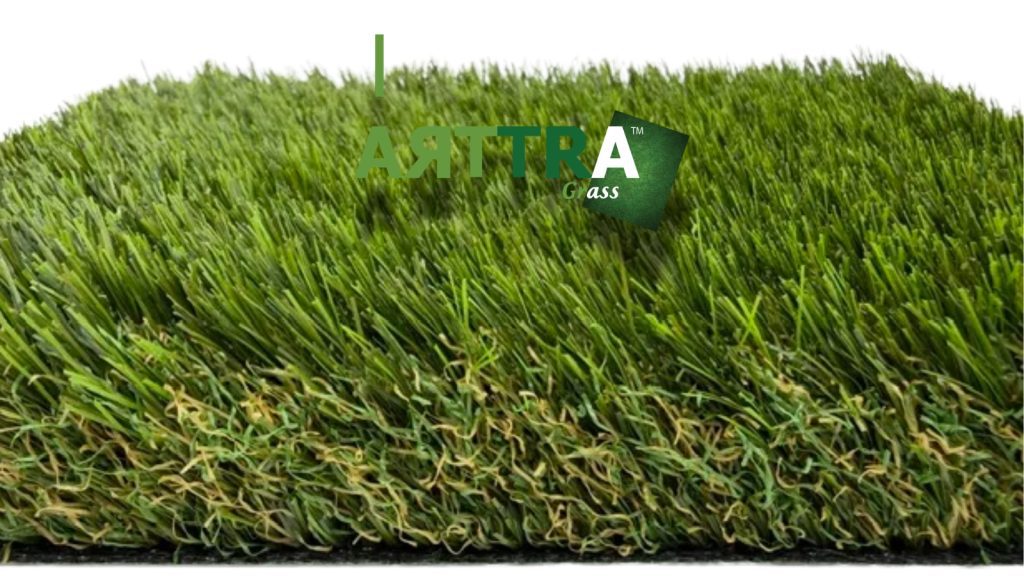
Eco Bio-Backed 40mm Turf

A Truly Lifelike Artificial Grass

One of the biggest misconceptions about artificial grass is that it looks unnatural.

That perception changed instantly when the family saw ARTTRAGrass® BioGrass.

The product delivers:

  • Natural colour variation
  • Realistic blade structure
  • Dense, high-quality fibres
  • Soft, comfortable feel underfoot

The result is a lawn that looks and feels like natural grass — without the drawbacks.


Installation Process

The installation was completed efficiently and professionally, ensuring minimal disruption.

Step 1: Removal of Existing Lawn

  • Excavation of patchy grass
  • Removal of organic material
  • Surface levelling
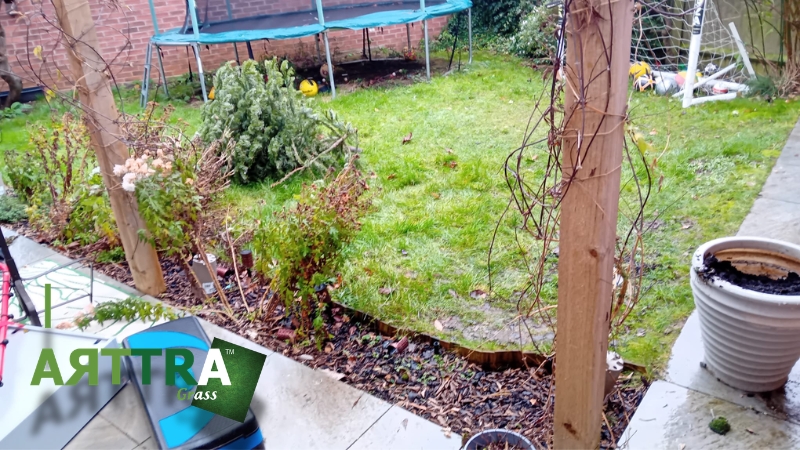
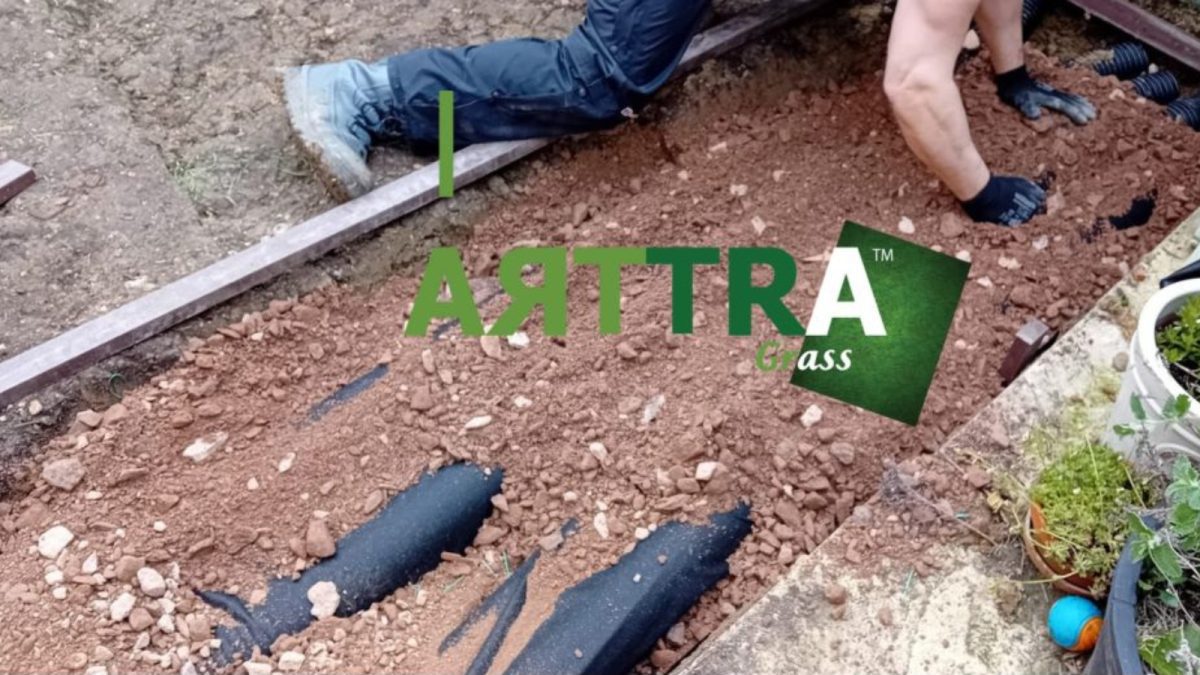
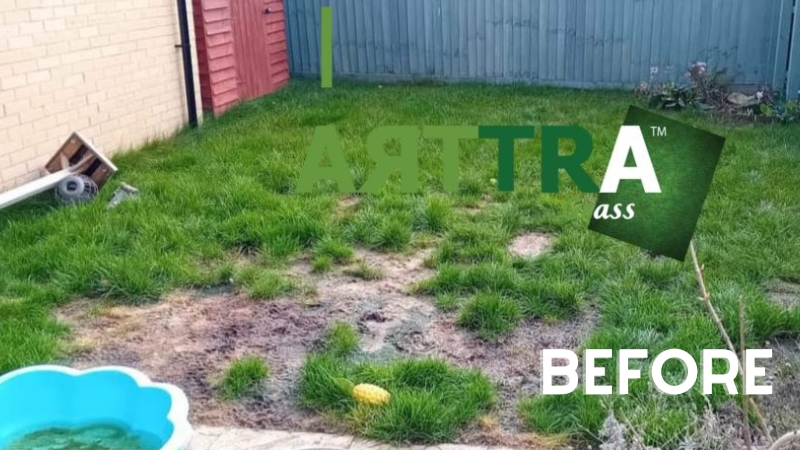
Before

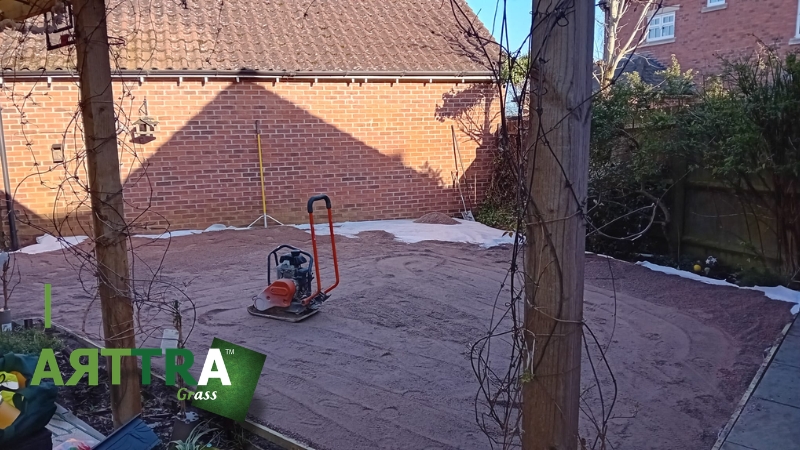
Step 2: Sub-Base Preparation

  • Installation of a stable, free-draining sub-base
  • Compaction for durability
  • Ensuring long-term structural integrity
During

Step 3: Artificial Grass Installation

  • Precision cutting and fitting
  • Seam joining and securing
  • Edge detailing
  • Final brushing and finishing

Attention to detail at every stage ensured a flawless finish.

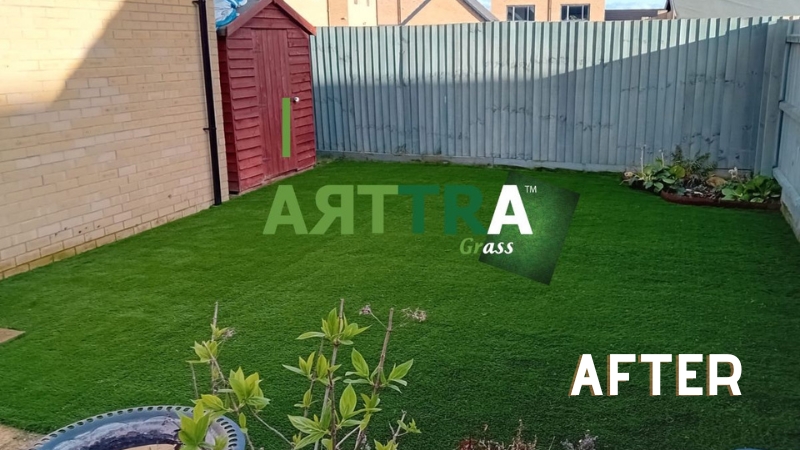
After

The Result: A Garden Transformed

The transformation was immediate.

The garden is now:

  • Fully usable all year round
  • Clean and mud-free
  • Safe for children
  • Visually stunning
  • Environmentally responsible

The children haven’t stopped playing outside since installation.

And importantly for Stuart, the solution aligns with his environmental values.


Customer Review

The homeowner shared the following review:

“Not only does the finished grass look amazing and so natural but the team were fantastic. Such a professional experience from start to finish, the team were hard working, friendly, polite and so tidy. The kids haven’t stopped playing in the garden since the new grass went in. Thanks so much.”

This highlights not just the product quality, but the overall customer experience.

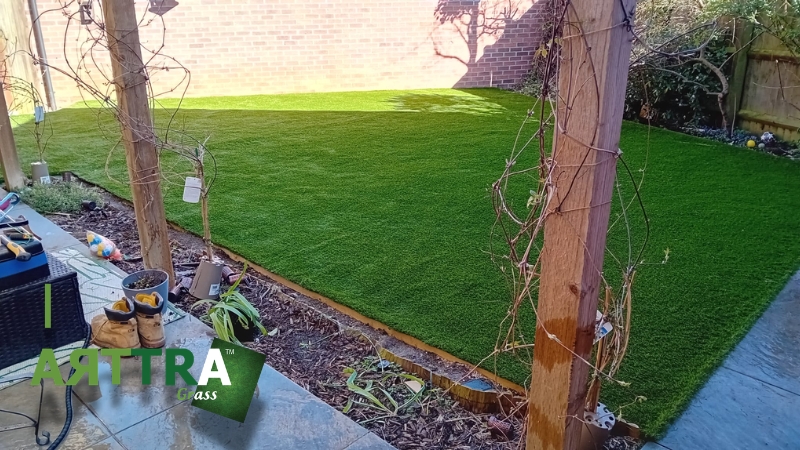
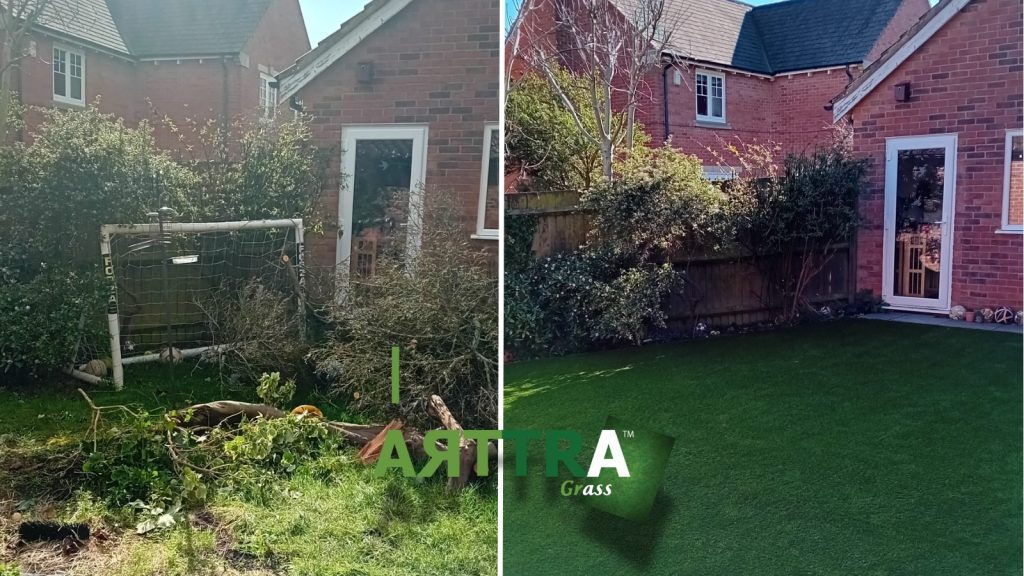
Artificial Grass Mawsley Before After
Before & After ARTTRAGrass® Artificial Grass installation images in Mawsley, Kettering

Why Families in Kettering Choose Artificial Grass

Artificial grass is increasingly popular across Kettering and surrounding areas due to:

  • High clay content in soil
  • Poor drainage conditions
  • Heavy garden usage
  • Unpredictable UK weather

For families, the key benefits include:

  • No mud in the house
  • All year round usability
  • Low maintenance
  • Safe play surface
  • Consistent appearance

Explore the Product Used

This project featured the ARTTRAGrass® BioGrass which is 100% recyclable artificial grass:

This product is ideal for:

  • Family gardens
  • High-use areas
  • Eco-conscious homeowners
  • Premium aesthetic results

Learn More: Choosing the Best Artificial Grass

If you’re comparing options, the best artificial grass guide will help.


Project Summary

Location: Mawsley, Kettering
Completed: Last week
Problem: Patchy lawn, mud, limited usability
Solution: BioGrass installation by ARTTRAGrass® Artificial Grass Rushden team
Key Feature: Eco-friendly artificial grass system
Outcome: Clean, safe, high-performance family garden

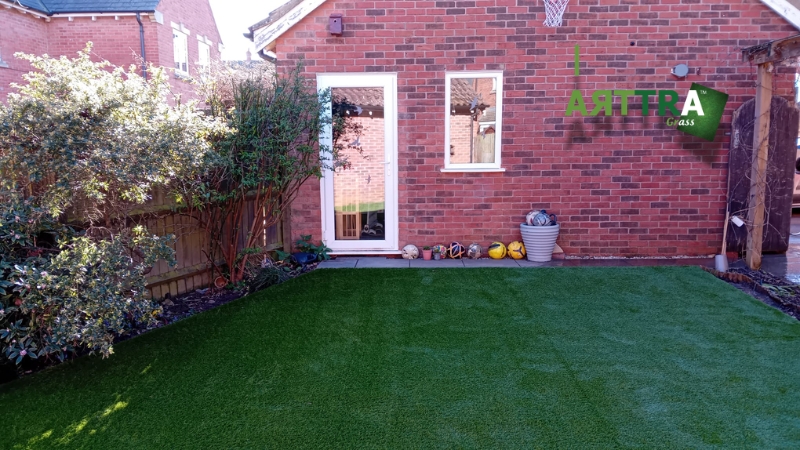
Artificial Lawn Mawsley Kettering

Frequently Asked Questions: Artificial Grass Installation Kettering

1. Is artificial grass suitable for family gardens?

Yes. It provides a safe, clean and durable surface ideal for children.

2. Does artificial grass eliminate mud?

Yes. Artificial grass removes exposed soil, preventing mud formation.

3. Is artificial grass environmentally friendly?

Modern systems like ARTTRAGrass BioGrass use recyclable materials and reduce reliance on fossil fuels.

4. Does artificial grass look realistic?

Yes. High-quality products offer natural colour variation and lifelike textures.

5. How long does artificial grass last?

Typically 10–15 years depending on use and maintenance.

6. Is artificial grass safe for children?

Yes. It is non-toxic, soft underfoot and stable.

7. Does artificial grass require maintenance?

Minimal maintenance such as brushing and occasional cleaning.

8. Can artificial grass be installed in all weather?

Installation is best completed in dry conditions but is possible all year round.

9. Will artificial grass drain properly?

Yes. Professional systems include free-draining sub-bases.

10. Do you install artificial grass in Kettering?

Yes. ARTTRAGrass provides installations throughout Kettering and surrounding areas.

GET IN TOUCH
Schedule a Quotation

Categories
Events

Indoor vs Outdoor Football Fan Zones: Which Surface Performs Best?

When planning football events, organisers often compare indoor vs outdoor football fan zones to determine which environment will deliver the best supporter experience.

Both types of fan zones create exciting spaces where fans can watch matches, take part in football activities and engage with brands during major tournaments such as the World Cup. However, the location of the fan zone has a significant impact on the type of surface required.

Choosing the right surface is essential. Fan zones must handle heavy foot traffic, maintain a professional appearance and remain safe for visitors throughout the event. For many organisers, temporary artificial grass offers the most practical and visually authentic solution.

Why Surface Choice Matters for Fan Zones

Fan zones are high-traffic environments. Thousands of supporters may walk across the surface every day during a tournament.

A suitable surface must therefore:

  • Handle continuous foot traffic
  • Remain safe and stable
  • Maintain its visual appearance
  • Work across different venue types

Artificial grass is widely used in event environments because it stays visually consistent and performs reliably under heavy use, even when natural turf would deteriorate quickly.

For football-themed events, it also creates the instant visual connection to the sport that fans expect.

For a broader overview, see our guide to artificial grass for football events.

Indoor Fan Zones: Surface Requirements

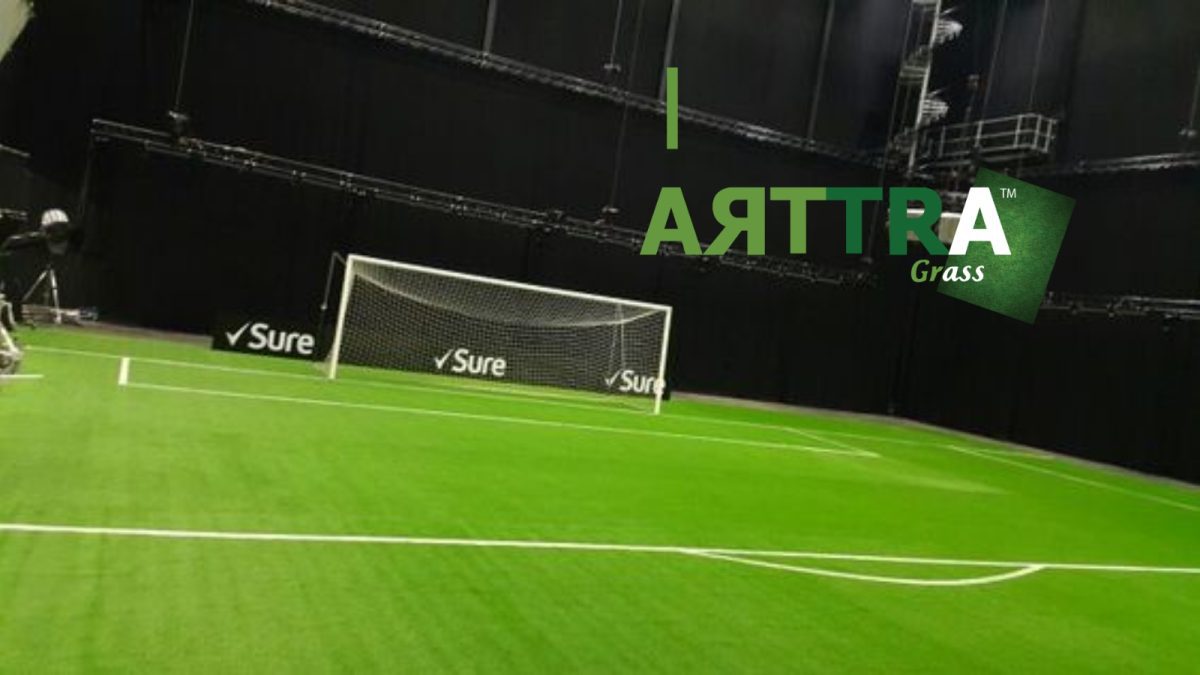
Indoor fan zones are commonly hosted in:

  • Exhibition halls
  • Arenas
  • Shopping centres
  • Studios
  • Event venues

These environments typically have hard subfloors, such as concrete or wood.

Because of this, surfaces must be designed to:

  • Install safely over hard floors
  • Provide cushioning for comfort
  • Maintain traction and stability
  • Look realistic under artificial lighting

Artificial grass systems designed for indoor use often include shock-absorbing underlays, which help reduce impact and fatigue compared with standing directly on hard floors.

Another major advantage of indoor venues is weather independence. Events can run without disruption from rain, wind or temperature changes.

However, surfaces must also meet strict venue rules around:

  • fire safety
  • floor protection
  • installation methods

This is where specialist temporary installations become important.

Outdoor Fan Zones: Different Challenges

Outdoor fan zones are often located in:

  • public squares
  • stadium surroundings
  • waterfront areas
  • parks
  • festival sites

Outdoor environments bring additional considerations.

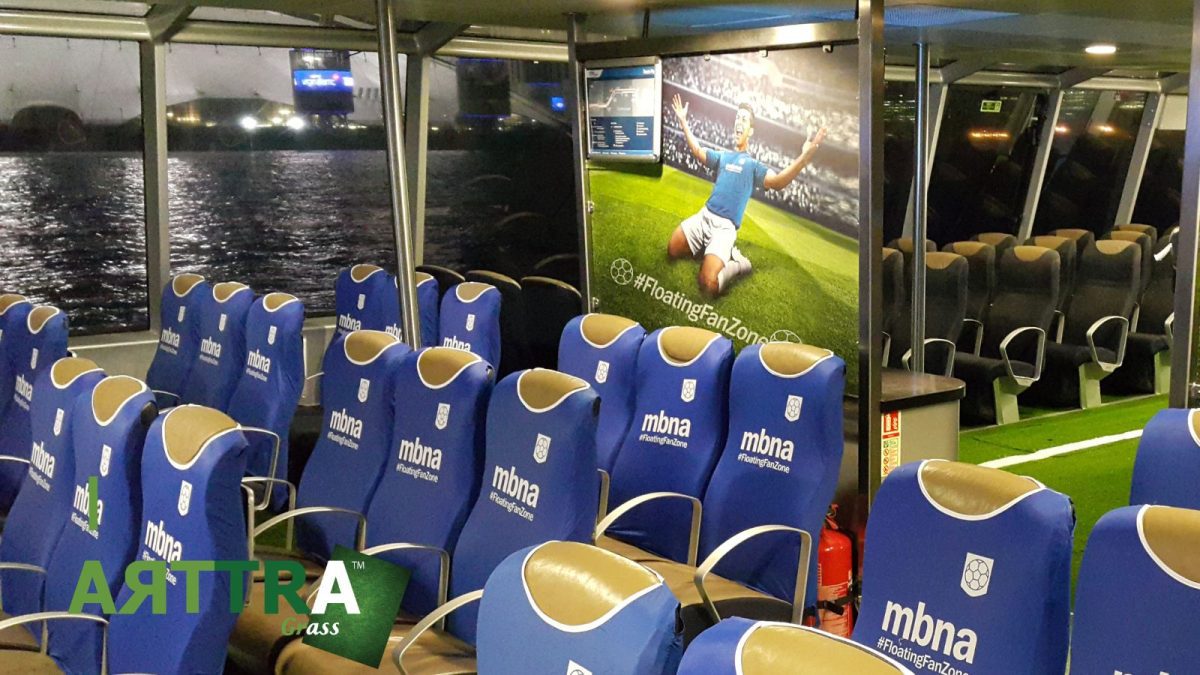
Branded Football Fan Zones
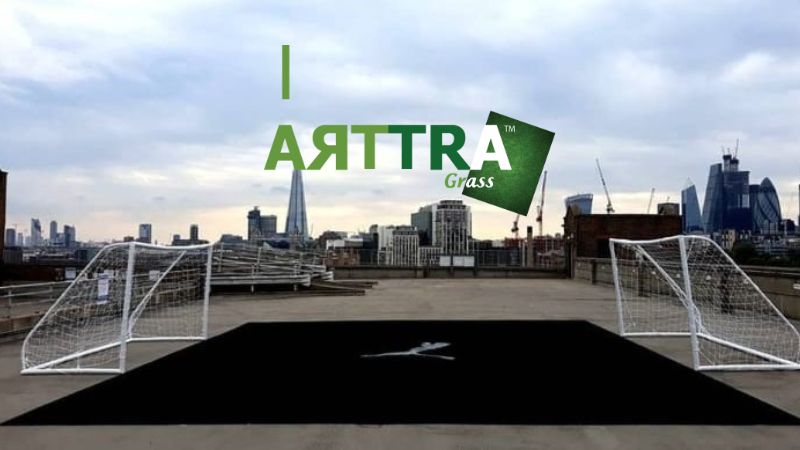
ARTTRAGrass® supplied and installed branded black artificial grass for PUMA fan zone

Weather Exposure

Rain can quickly turn natural grass surfaces into mud, creating safety issues and damaging the venue. Artificial grass systems avoid this problem because they drain effectively and maintain a stable surface during wet conditions.

Surface Durability

Outdoor fan zones may operate for several weeks during major tournaments. Surfaces must withstand:

  • constant pedestrian traffic
  • furniture and staging
  • weather changes

Artificial grass is designed for heavy use and returns to optimal performance quickly without recovery time, unlike natural turf which needs time to repair after heavy wear.

Visual Impact

Outdoor fan zones are often photographed, filmed and shared across social media. Artificial grass provides a consistently green and camera-ready surface that enhances the overall environment.

Indoor vs Outdoor Fan Zones: Key Differences

FactorIndoor Fan ZonesOutdoor Fan Zones
WeatherControlled environmentExposed to weather
SubfloorHard floors (concrete, wood)Ground, decking, or temporary flooring
InstallationMust protect venue floorsMust handle weather and drainage
Foot TrafficHighVery high
Surface GoalComfort + realismDurability + weather resistance

Despite these differences, temporary artificial grass works effectively in both environments because it can be tailored to the installation conditions.

Why Artificial Grass Is Ideal for Football Fan Zones

For football tournaments such as World Cup 2026, organisers increasingly rely on artificial grass because it delivers:

  • Authentic football aesthetics
  • Reliable performance in different environments
  • High durability under heavy use
  • Minimal maintenance during events

Artificial grass also allows event organisers to create interactive experiences such as:

  • mini football pitches
  • skills challenges
  • brand activations
  • photo areas

These installations help transform a simple viewing area into a fully immersive football environment.

Learn more about how this works for major tournaments on our page about temporary artificial grass for World Cup 2026 events.

Planning Fan Zone Surfaces for Major Tournaments

As football tournaments approach, demand for temporary event infrastructure increases rapidly.

Planning early allows organisers to:

  • design the correct surface system
  • coordinate installation schedules
  • ensure safety compliance
  • secure specialist installers

Whether a fan zone is indoors or outdoors, the right artificial grass solution helps deliver a professional, football-focused environment that enhances the overall event experience.

FAQs: Indoor vs Outdoor Football Fan Zones

What surface is best for football fan zones?

Artificial grass is commonly used because it creates an authentic football environment while handling heavy foot traffic and maintaining a consistent appearance throughout the event.


Can artificial grass be installed inside buildings for fan zones?

Yes. Temporary artificial grass systems are designed to be installed over hard floors in venues such as exhibition halls, arenas and studios while protecting the underlying surface.


Why is artificial grass popular for outdoor fan zones?

Artificial grass performs well in outdoor environments because it drains efficiently, stays stable during rain and withstands large numbers of visitors without becoming muddy or damaged.


Do indoor and outdoor fan zones use different types of artificial grass?

Often they do. Indoor installations may include cushioning layers for comfort on hard floors, while outdoor installations focus more on drainage, weather resistance and durability.


How early should fan zone surfaces be planned for World Cup events?

Planning for temporary artificial grass for World Cup 2026 events should start several months in advance to secure materials, installation teams and access windows.

GET IN TOUCH
Arrange a Quotation

Categories
Events

The Logistics of Installing Temporary Football Grass at Major Events

Temporary football pitch installation at major events is a precision operation involving planning, access coordination, safety compliance and time-critical execution.

When people see a temporary football pitch at a fan zone or brand activation, they see the finished surface. What they don’t see is the logistics.

For large tournaments such as World Cup 2026, installation logistics are often the difference between success and disruption.

Temporary Football Pitch Installation Is Not Landscaping

Event installations differ significantly from permanent sports surfaces.

Temporary football grass must:

  • Be installed quickly
  • Perform immediately
  • Withstand high footfall
  • Be removed cleanly
  • Leave no permanent impact

This requires a specialist approach to temporary football pitch installation, not standard landscaping processes.

For a broader overview of how artificial grass is used across football events, read our guide to artificial grass for football events

Football Event Artificial Grass
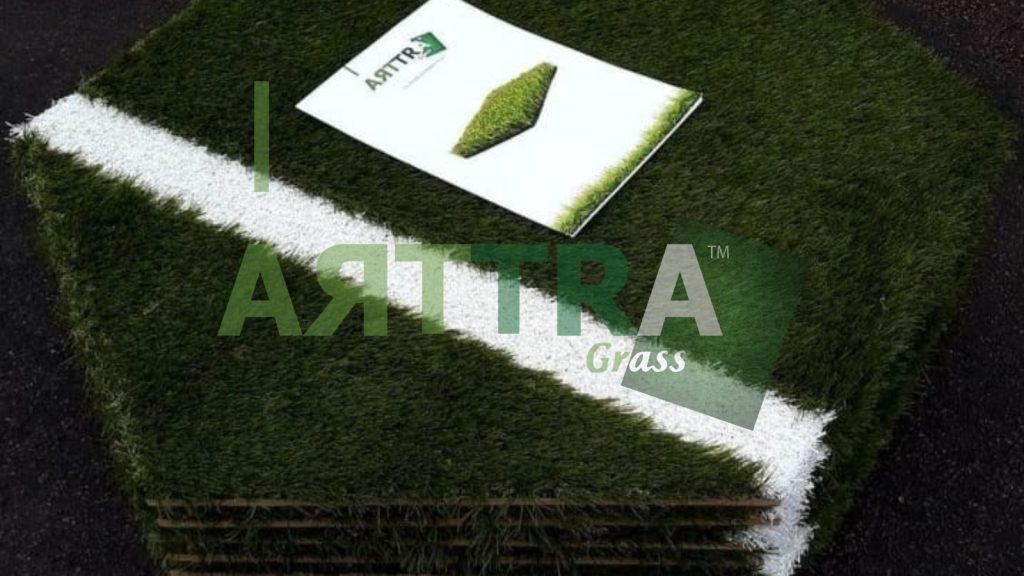
ARTTRAGrass® created a bespoke hexagons with white lines for a World Cup event.

Step 1: Site Assessment & Environment Planning

Every venue presents different constraints:

  • Indoor exhibition halls
  • City centre fan zones
  • Rooftop activations
  • Waterfront or temporary structures

Professional installers assess:

  • Subfloor type
  • Access points
  • Weight restrictions
  • Drainage (if outdoors)
  • Build and breakdown windows

This ensures the correct artificial grass system and fixing method are selected.

Step 2: Scheduling Around Event Build Windows

Major football events operate on tight schedules.

Installations often happen:

  • Overnight
  • Between other contractors
  • Under strict access control
  • Within compressed build periods

Experienced teams coordinate with production managers and event organisers to ensure artificial grass is laid precisely when required — without delaying other build elements.

Step 3: Stability & Safety

High-profile football activations require surfaces that remain stable under:

  • Continuous foot traffic
  • Equipment loads
  • Broadcast setups
  • Brand installations

Temporary football grass systems must be secured correctly to prevent movement, lifting or surface inconsistencies.

Safety planning is especially important during tournaments such as World Cup 2026, where attendance and exposure levels are significantly higher.

Learn more about how ARTTRAGrass® supports tournament planning on our Temporary Artificial Grass for World Cup 2026 Events

Step 4: Performance During the Event

Once installed, the pitch must:

  • Maintain appearance under heavy use
  • Look authentic on camera
  • Remain safe for participants
  • Withstand weather changes (outdoors)

Unlike permanent pitches, temporary installations do not have weeks to settle. They must perform immediately.

Step 5: Efficient Removal & Clean Handover

After the event, removal is just as important as installation.

Professional temporary pitch installation includes:

  • Clean lifting of materials
  • Protection of underlying surfaces
  • Efficient breakdown within agreed timeframes
  • Responsible material handling

This ensures venues are returned to their original condition — a key requirement for public and commercial spaces.

Why Logistics Expertise Matters for World Cup 2026

World Cup-related events will increase demand for:

  • Temporary football grass
  • Fan zone surfaces
  • Activation pitches
  • Broadcast-ready installations

Without experienced logistics planning, even visually impressive pitches can create operational risks.

ARTTRAGrass® combines football expertise with practical installation planning — ensuring surfaces look professional while meeting the realities of live event production.

Explore our full approach to artificial grass for football events

or speak to us about artificial grass for World Cup 2026 events.

Temporary Football Pitch Installation

FAQs: Temporary Football Pitch Installation for Major Events

How long does it take to install a temporary football pitch?

Installation time depends on size, location and access. Smaller activation areas can be installed within a day, while larger fan zones may require coordinated multi-day builds aligned with event schedules.


Can temporary football grass be installed overnight?

Yes. Many event installations take place overnight or within restricted build windows. Experienced teams plan access and labour to meet tight deadlines.


Does temporary football grass damage the surface underneath?

When installed correctly, temporary artificial grass systems are designed to protect underlying surfaces and allow clean removal after the event.


What factors affect temporary football pitch installation?

Key factors include subfloor type, access restrictions, weather conditions (outdoor events), installation window length and coordination with other contractors.


Why is early planning important for World Cup 2026 installations?

Demand increases significantly around major tournaments. Early planning ensures installation windows, materials and logistics are secured in advance.

GET IN TOUCH
Arrange a Quotation

Categories
Education

How Much Does Artificial Grass Cost for Schools?

2026 Pricing Guide for Educational Settings

One of the first questions schools ask is: “How much does artificial grass cost?”

The honest answer?

It depends.

Costs vary based on:

  • Area size
  • Ground preparation
  • Drainage requirements
  • Usage level
  • Accessibility needs
  • Location

This guide breaks down realistic pricing ranges for UK schools and explains what influences your final investment.

Quick Cost Overview (UK Schools)

For most educational installations, artificial grass typically costs:

£55 – £95 per square metre (fully installed)

This range includes:

  • Ground preparation
  • Sub-base construction
  • Artificial grass supply
  • Installation labour
  • Finishing and edge detailing

Larger projects often benefit from lower per-square-metre costs.

Smaller projects may sit at the higher end due to fixed setup costs.

Typical School Project Examples

Small Nursery Play Area (50–100sqm)

Estimated total:
£3,000 – £8,500

Ideal for:

  • Early years settings
  • Compact outdoor classrooms
  • Sensory areas

Primary School Playground (200–400sqm)

Estimated total:
£11,000 – £34,000

Commonly installed to eliminate mud and increase year-round access.

For example, Winchester House School installed approximately 400sqm to resolve ongoing mud disruption.

Larger School Courtyard or Multi-Use Area (500sqm+)

Estimated total:
£27,500 – £47,500+

Economies of scale may reduce per-sqm cost slightly on larger areas.

Nursery School Artificial Grass Cost

What Affects the Cost of Artificial Grass for Schools?

Understanding pricing variables helps you budget accurately.

1. Ground Preparation

The largest cost factor is often what lies beneath.

If your current surface is:

  • Worn natural grass
  • Uneven
  • Poorly draining
  • Waterlogged

It may require:

  • Excavation
  • New sub-base
  • Compaction
  • Drainage improvements

If installing over an existing stable surface (such as properly prepared concrete), costs may reduce.

For example, a temporary installation was delivered at Francis Holland School directly over hard surfaces for a sports event.

2. Area Size

Bigger areas generally reduce cost per square metre.

Smaller areas may cost more per sqm due to:

  • Fixed labour mobilisation
  • Equipment setup
  • Waste removal

3. Pile Height & Product Specification

School artificial grass typically ranges between:

  • 20mm – 30mm for playgrounds
  • 25mm – 35mm for multi-use areas

Higher specification systems with enhanced durability or bio-backed materials may increase material cost.

4. Drainage Requirements

Schools often require:

  • Free-draining sub-base
  • Permeable membranes
  • Proper edge detailing

Poor drainage design leads to long-term problems — so this should never be compromised to reduce cost.

5. Shockpads & Safety Layers

Where additional fall protection is required (for example under play equipment), shock-absorbing underlays may be specified.

This increases cost but improves safety compliance.

6. Accessibility Considerations

For SEN environments or wheelchair-accessible areas, additional preparation and levelling may be required.

These adjustments affect installation time and material usage.

Is Artificial Grass Cheaper Than Natural Grass?

Upfront:
No. Natural grass is cheaper to install initially.

Long term:
Often yes.

Natural grass requires ongoing:

  • Mowing
  • Reseeding
  • Fertilising
  • Pest control
  • Irrigation
  • Grounds staff time

Additionally, many schools underestimate:

  • Cleaning costs from mud
  • Caretaker overtime
  • Corridor maintenance
  • Seasonal area closures

Artificial grass eliminates most of these recurring costs.

Over 8–15 years, lifetime cost comparisons often favour artificial grass in high-use school environments

How Long Does Artificial Grass Last in Schools?

Typical lifespan:

8 – 15 years

Depending on:

  • Usage levels
  • Installation quality
  • Maintenance
  • Footfall concentration

This means the annualised cost can be significantly lower than the headline installation figure suggests.

Hidden Costs Schools Often Overlook

When evaluating natural grass vs artificial grass, schools should consider:

  • Lost teaching time due to weather closures
  • Cleaning staff hours
  • Damage to indoor flooring from mud
  • Parent complaints
  • Negative first impressions during inspections

Artificial grass helps stabilise these operational variables.

Can Schools Finance Artificial Grass?

Many schools fund installations through:

  • Capital improvement budgets
  • PTA fundraising
  • Academy trust investment
  • Phased area installations
  • Summer project planning

Breaking a large playground into staged phases can make budgeting more manageable.

Temporary Artificial Grass Costs

For short-term events (sports days, open days, graduations), temporary artificial grass hire is also available.

Costs depend on:

  • Duration
  • Surface type
  • Installation complexity
  • Area size

Temporary installations are typically quoted individually due to logistics.

Return on Investment (ROI)

When evaluating ROI, schools should consider:

  • Reduced cleaning labour
  • Reduced grounds maintenance
  • Increased all year round usability
  • Enhanced presentation
  • Improved accessibility

The value is not purely financial — it is operational.

FAQs: How Much Does Artificial Grass Cost for Schools?

1. How much does artificial grass cost per square metre for schools?

Typically £55–£95 per square metre fully installed, depending on specification and preparation requirements.

2. Is artificial grass more expensive than natural grass?

Upfront, yes. Long-term, it can be more cost-effective in high-footfall environments.

3. What is the cheapest artificial grass option for schools?

Lower pile-height systems with minimal groundwork sit at the lower end of the pricing range.

4. How long does installation take?

Most school projects take between 3–10 working days depending on size and preparation needs.

5. Does artificial grass reduce maintenance costs?

Yes. It eliminates mowing, reseeding and most grounds maintenance requirements.

6. Can artificial grass be installed during school holidays?

Yes. Many schools schedule installation during half terms or summer breaks.

7. Does artificial grass add value to a school?

It can enhance presentation, usability and accessibility, which positively impacts perception and operations.

8. Is artificial grass suitable for nurseries?

Yes. It is commonly installed in early years settings to improve hygiene and reduce mud.

9. Can artificial grass be installed in phases?

Yes. Larger playgrounds can be divided into staged installations.

10. How do we get an accurate quote?

A site survey is required to assess ground conditions, drainage and project scope.

In a Nutshell

Artificial grass for schools is an investment.

The exact cost depends on your site conditions, specification and objectives.

For high-footfall playgrounds where mud, maintenance and disruption are ongoing problems, artificial grass often provides long-term value and operational stability.

A professional site assessment is the only way to obtain an accurate, tailored quotation. Find out the different types of Artificial Grass for Schools on our service page.

GET IN TOUCH

Schedule a Visit

Categories
Education

Artificial Grass vs Natural Grass for Schools

Artificial grass vs natural grass for schools; Which is the better long-term investment? Choosing the right outdoor surface for a school is not just about appearance.

It affects:

  • Safety
  • Maintenance budgets
  • Cleaning costs
  • Accessibility
  • All year round usability
  • Staff workload
  • Parent perception

For many schools, the debate comes down to one question:

Artificial grass or natural grass?

This guide provides a balanced, practical comparison to help headteachers, bursars and estates managers make an informed decision.

Quick Comparison Overview

FactorArtificial GrassNatural Grass
Year-round usability✅ All weather❌ Restricted in winter
Mud control✅ Eliminates mud❌ High risk
Maintenance✅ Low❌ High
Upfront costHigherLower
Long-term costPredictableOngoing + rising
AccessibilityExcellentVariable
Lifespan8–15 yearsContinuous upkeep

Now let’s explore this properly.

1. All Year Round Usability

Natural Grass

Natural grass struggles under:

  • Heavy footfall
  • Compacted soil
  • Winter rainfall
  • Limited recovery time

In school environments, grass rarely gets time to regenerate.

Wet weather often means:

  • Play areas closed
  • Break times restricted
  • Mud forming
  • Increased indoor congestion

Artificial Grass

Artificial grass provides:

  • Consistent drainage
  • No soil erosion
  • No recovery time needed
  • Immediate usability after rainfall

For high-footfall school environments, this consistency is often the deciding factor.

2. The Mud Problem

Mud is not just a cosmetic issue.

It leads to:

  • Dirty classrooms
  • Increased cleaning hours
  • Slippery corridors
  • Lost learning time
  • Higher caretaker workload

Many schools move to artificial grass specifically to eliminate mud transfer.

One example is Winchester House School, where a 400sqm artificial grass installation significantly reduced muddy classroom disruption.

Natural grass simply cannot prevent soil transfer in wet conditions.

Artificial grass eliminates the source of mud entirely.

ARTTRA Grass Before Winchester House School
Before installing ARTTRAGrass® Artificial Grass at The Winchester House School | 2015

3. Maintenance Requirements

Natural Grass Maintenance Includes:

  • Regular mowing
  • Seasonal reseeding
  • Fertilising
  • Irrigation
  • Pest treatment
  • Aeration
  • Weed control
  • Line marking

These tasks require:

  • Ongoing labour
  • Specialist contractors
  • Equipment storage
  • Rising costs

Artificial Grass Maintenance Includes:

  • Occasional brushing
  • Debris removal
  • Infrequent deep cleaning

There is no:

  • Mowing
  • Watering
  • Reseeding
  • Fertilising

For schools with limited estates budgets, this reduction in ongoing maintenance can be transformative.

4. Long-Term Cost Comparison

This is where many decisions are made.

Natural Grass: Lower Upfront, Higher Lifetime Cost

While natural grass has lower installation costs, schools must factor:

  • Annual maintenance contracts
  • Grounds staff time
  • Repair work
  • Drainage improvements
  • Ongoing wear recovery

Over 10 years, cumulative maintenance can exceed initial artificial grass installation costs.

Artificial Grass: Higher Upfront, Predictable Over Time

Artificial grass requires a larger initial investment.

However:

  • No mowing contracts
  • No reseeding
  • Reduced cleaning costs
  • Reduced caretaker hours
  • Fewer weather closures

Over 8–15 years, many schools find artificial grass delivers better cost predictability.

(A dedicated cost breakdown page can explore this in detail.)

5. Durability Under High Footfall

School environments are extreme-use environments.

Natural grass suffers under:

  • Daily break times
  • PE sessions
  • Events
  • Assemblies
  • Sports days

Even high-quality turf deteriorates under constant compaction.

Artificial grass is specifically designed for:

  • Heavy daily use
  • Repetitive foot traffic
  • Consistent performance

This durability is particularly valuable in smaller playground areas where wear concentrates quickly.

6. Accessibility & Inclusion

Inclusion is increasingly central to school design.

Natural grass can become:

  • Uneven
  • Slippery
  • Soft under wheels
  • Difficult for mobility aids

Artificial grass provides:

  • Stable surfaces
  • Predictable traction
  • Wheelchair accessibility (when properly installed)
  • Level transitions

For Special Educational Needs settings, surface predictability can support confidence and safe movement.

7. Safety Considerations

Both surfaces can be safe — but performance varies.

Natural Grass

  • Can become slippery when wet
  • Develops uneven wear patches
  • May hide dips or ruts
  • Hardens in summer

Artificial Grass

When properly specified:

  • Provides consistent grip
  • Can include shockpads
  • Drains effectively
  • Remains stable all year round

Installation quality is critical in either case.

8. Environmental Considerations

This is often a sensitive topic.

Natural Grass

Pros:

  • Natural ecosystem
  • Carbon absorption
  • Biodiversity support

Cons:

  • Water consumption
  • Fertiliser use
  • Fuel for mowing equipment
  • Chemical treatments

Artificial Grass

Pros:

  • No watering
  • No fertilisers
  • No mowing emissions
  • Long lifespan
  • Recyclable options available

Modern bio-backed systems are increasingly addressing environmental concerns.

The key is selecting a responsible supplier and product.

9. Aesthetic & Presentation

School grounds influence:

  • Parent perception
  • Ofsted visits
  • Prospectus photography
  • Event presentation

Natural grass can look beautiful — when perfectly maintained.

But in winter or high-use areas, it often appears worn and patchy.

Artificial grass provides a consistently green appearance throughout the year.

For schools hosting events — such as the temporary installation delivered at Francis Holland School — presentation can be critical.

10. When Natural Grass Is the Right Choice

Artificial grass is not always the answer.

Natural grass may be preferable when:

  • Large sports fields are available
  • Maintenance budgets are strong
  • Usage levels are moderate
  • Biodiversity is a priority
  • Space allows rotational rest periods

The decision depends on context.

When Artificial Grass Is the Right Choice

Artificial grass is often ideal when:

  • Play areas are compact
  • Footfall is high
  • Mud is a recurring issue
  • Cleaning costs are rising
  • Accessibility is a priority
  • All year round usability is essential

Most schools switching to artificial grass do so due to operational pressures rather than aesthetics alone.

FAQs: Artificial Grass vs Natural Grass for Schools

1. Is artificial grass better than natural grass for schools?

It depends on usage levels and maintenance capacity. For high-footfall playgrounds, artificial grass often provides greater durability and usability.

2. Does artificial grass reduce mud in schools?

Yes. Artificial grass eliminates soil erosion, preventing mud formation.

3. Is natural grass cheaper than artificial grass?

Upfront, yes. Over the long term, ongoing maintenance can narrow or exceed the cost difference.

4. How long does artificial grass last in schools?

Typically 8–15 years depending on use and installation quality.

5. Can artificial grass be installed over existing surfaces?

Yes. It can be installed over prepared ground or certain hard surfaces when specified correctly.

6. Is artificial grass safe for children?

Yes. When properly installed, it provides stable, non-toxic, child-safe surfaces.

7. Does artificial grass require maintenance?

Yes, but significantly less than natural grass.

8. Does artificial grass drain properly?

Yes. Professional systems are permeable and designed for effective drainage.

9. Does artificial grass get too hot?

It can become warmer in direct sunlight, similar to other outdoor surfaces. Shade planning can mitigate this.

10. Will artificial grass damage the environment?

Modern systems offer recyclable and lower-impact options. Environmental impact depends on product choice and maintenance practices.

Final Thoughts: Artificial Grass vs Natural Grass for Schools

The decision between artificial grass and natural grass is not about trends.

It’s about:

  • Operational efficiency
  • Budget control
  • Accessibility
  • Safety
  • Usability

For many high-footfall schools, artificial grass offers predictable performance and reduced long-term disruption.

For others, natural grass remains appropriate where space, budgets and usage allow.

If your school is evaluating options, a site-specific assessment is always recommended.

GET IN TOUCH

Schedule a Visit

Categories
Residential

Artificial Grass Drainage Solution

Northstowe Case Study

This artificial grass drainage solution Cambridge homeowners rely on was installed in Northstowe two years ago to solve a severe clay soil problem. The customer’s natural lawn had become patchy, waterlogged and unusable, leaving his children unable to play outside and his Labrador constantly bringing mud into the house.

Heavy clay beneath the grass was preventing proper drainage, turning the garden into a muddy mess after rainfall.

The Problem: Clay Soil & Constant Mud

Clay-heavy ground presents serious challenges:

  • Poor water permeability
  • Surface compaction
  • Standing water
  • Slow drying time
  • Grass root failure

In this Cambridge property, the natural lawn never fully recovered after wet weather.

The result?

  • Bare patches
  • Slippery mud
  • Damaged turf
  • Indoor cleaning frustration

The homeowner initially doubted that artificial grass could solve a drainage problem.

He assumed the issue was deeper than just the surface.

He was right.

Artificial Grass Northstowe Before

Our Assessment: The Drainage Had to Be Fixed First

Installing artificial grass without addressing sub-base drainage would have been ineffective.

Our site survey confirmed:

  • Heavy clay beneath topsoil
  • Poor natural runoff
  • No effective drainage channels
  • Compacted ground structure

The solution required a two-stage approach:

  1. Install a proper drainage system
  2. Install a high-performance artificial grass surface

Stage 1: French Drain Installation

We installed a series of French drains beneath the lawn area.

French drains work by:

  • Redirecting excess water
  • Improving sub-surface flow
  • Preventing pooling
  • Reducing soil saturation

This transformed the garden’s underlying water management.

Without proper drainage, artificial grass alone cannot perform optimally.

This step was critical.

Stage 2: Dog-Friendly Artificial Grass Installation

With drainage resolved, we installed our specialist dog-friendly artificial grass system.

This included:

✔ Free-draining sub-base
✔ Permeable membrane
✔ Durable backing
✔ Pet-safe fibres
✔ Odour-resistant infill
✔ Secure edging

The result was immediate.

No more mud.

No more patchy lawn.

No more waterlogged surface.

The Results (Two Years On)

Two years later, the garden remains:

  • Fully usable year-round
  • Mud-free
  • Child-friendly
  • Dog-resistant
  • Visually consistent

The Labrador can run freely without bringing mud into the house.

The children can play outside even after rainfall.

The homeowner admitted he was surprised how effectively the combined drainage and artificial grass system solved the issue.

Northstowe Cambridge After

Why Clay Soil Is Common Around Cambridge

Cambridge and surrounding areas, including Northstowe, often have clay-dominant soil profiles.

Clay soil:

  • Holds water
  • Drains slowly
  • Compacts easily
  • Damages natural turf under foot traffic

This makes natural grass particularly difficult to maintain for families with:

  • Active children
  • Dogs
  • Regular garden use

Artificial grass combined with drainage design is often the most reliable long-term solution.

Dog Owners: A Dedicated Solution

If you have pets, drainage becomes even more important.

Our dog-specific artificial grass systems are designed for:

  • High urination permeability
  • Easy rinsing
  • Odour control
  • Dig-resistant durability

For more information, go to our Dog Artificial Grass Service Page.

Dog owners in Cambridge frequently switch due to mud and lawn destruction caused by repeat traffic paths.

Families & Play Areas

For families, usability matters.

A garden should be:

  • Safe
  • Stable
  • Clean
  • Always accessible

Artificial grass eliminates:

  • Muddy clothes
  • Slippery patches
  • Cancelled outdoor play
  • Damaged lawns

This is similar to why many schools upgrade playground surfaces to artificial systems for all year round reliability.

Find out more by visiting our Artificial Grass for Schools Service Page.

Project Summary

Location: Northstowe, Cambridge
Problem: Clay soil drainage + patchy lawn + mud transfer
Solution: French drains + dog-friendly artificial grass
Installed: 18th February 2024
Outcome: Mud-free, all-weather family garden

Frequently Asked Questions: Artificial Grass Drainage Solution in Cambridge

1. Can artificial grass solve drainage problems?

Artificial grass alone cannot fix drainage issues. However, when combined with proper drainage systems such as French drains, it can eliminate surface water and mud.

2. Is clay soil common in Cambridge?

Yes. Many properties in Cambridge and Northstowe sit on clay-heavy soil which drains poorly.

3. Do French drains work under artificial grass?

Yes. French drains improve sub-surface water flow and prevent water pooling.

4. Is artificial grass suitable for dogs?

Yes. Dog-friendly artificial grass is permeable, durable and easy to clean.

5. Will artificial grass smell with pets?

No. When properly installed with correct drainage and occasional rinsing, odours are not an issue.

6. Can children safely play on artificial grass?

Yes. It provides a stable, consistent and mud-free surface.

7. How long does artificial grass last in family gardens?

Typically 10–15 years depending on use.

8. Does artificial grass drain well in heavy rain?

Yes. Professionally installed systems are permeable and designed to handle UK rainfall.

9. Will artificial grass fix patchy lawns?

Yes. It eliminates worn and bare grass areas completely.

10. Do you install artificial grass across Cambridge?

Yes. ARTTRAGrass® provides artificial grass installations throughout Cambridge and surrounding areas.

GET IN TOUCH

Schedule a Visit

Categories
Education

Artificial Grass for SEN Schools

Safe, Sensory-Friendly Outdoor Surfaces

Outdoor environments play a vital role in supporting children with Special Educational Needs (SEN).

For many pupils, outdoor space is not just recreation — it’s regulation, therapy and development.

ARTTRAGrass® provides artificial grass systems designed to create:

  • Predictable surfaces
  • Soft underfoot comfort
  • Reduced mud and disruption
  • Accessible, inclusive play areas
  • Calm, visually consistent environments

Why Surface Choice Matters in SEN Settings

Children with additional needs may be more sensitive to:

  • Slippery or unstable ground
  • Uneven surfaces
  • Sudden texture changes
  • Wet or muddy conditions
  • Visual clutter

Natural grass often becomes:

  • Patchy
  • Waterlogged
  • Slippery
  • Inconsistent

Artificial grass creates a controlled, stable and dependable outdoor environment.

Key Benefits of Artificial Grass for SEN Schools

1. Consistency & Predictability

Artificial grass provides a uniform surface that remains consistent throughout the year.

There are no:

  • Mud patches
  • Bare soil areas
  • Sudden dips
  • Slippery worn zones

Predictability supports confidence and independent movement.

2. Improved Accessibility

Artificial grass can be installed to create:

  • Smooth wheelchair-accessible areas
  • Level transitions between zones
  • Stable walking surfaces
  • Defined learning spaces

It allows greater participation for children with mobility challenges.

3. Sensory-Friendly Environment

Artificial grass offers:

  • Soft tactile feedback
  • Low glare (with appropriate fibre selection)
  • Natural green aesthetics
  • Reduced visual chaos compared to damaged turf

This can contribute to calmer outdoor engagement.

4. Reduced Mud & Disruption

For SEN schools, transitions between outdoor and indoor spaces are critical.

Artificial grass eliminates:

  • Mud tracked into classrooms
  • Frequent clothing changes
  • Cleaning interruptions
  • Slippery entrances

This reduces stress for both staff and pupils.

5. Safety & Cushioning

We can specify systems with:

  • Appropriate pile height
  • Shockpad underlay (where required)
  • Non-toxic materials
  • Free-draining sub-base systems

Safety compliance is always prioritised.

Applications in SEN Settings

Artificial grass is ideal for:

  • Sensory gardens
  • Outdoor therapy areas
  • Calm zones
  • Early years SEN spaces
  • Primary and secondary SEN schools
  • Specialist units within mainstream schools

Designed for Inclusion

Every SEN setting is different.

We provide:

✔ Site surveys
✔ Tailored specifications
✔ Drainage planning
✔ Accessibility considerations
✔ Long-term durability design

Our goal is to create outdoor spaces that feel:

Safe.
Inclusive.
Calm.
Usable all year round.

Environmental Considerations

ARTTRAGrass® offers bio-backed artificial grass systems that are:

  • 100% recyclable
  • Reduced fossil fuel dependency
  • Durable for long-term use

This supports sustainability targets within educational settings.

Artificial Turf for The Shire School
ARTTRAGrass® supplied and installed Artificial Grass for The Shire School | Bletchley

FAQs: Artificial Grass for SEN Schools

1. Is artificial grass suitable for SEN schools?

Yes. Artificial grass provides a stable, predictable and accessible outdoor surface ideal for SEN environments.

2. Does artificial grass help reduce overstimulation?

Yes. A uniform, clean surface reduces visual and tactile inconsistencies found in worn natural grass.

3. Is artificial grass wheelchair accessible?

Yes. Properly installed systems provide a smooth and stable surface for mobility aids.

4. Can artificial grass be installed in sensory gardens?

Yes. It is commonly used in outdoor therapy and sensory areas.

5. Is artificial grass safe for children with additional needs?

Yes. ARTTRAGrass systems are non-toxic and designed for child-safe environments.

6. Does artificial grass reduce mud problems?

Yes. It eliminates soil erosion and waterlogging.

7. Can you install shockpads for additional safety?

Yes. Shock-absorbing underlays can be included where required.

8. How long does artificial grass last in SEN schools?

Typically 8–15 years depending on usage.

9. Does artificial grass drain well?

Yes. Professional systems are fully permeable.

10. Do you provide nationwide installation?

Yes. ARTTRAGrass works with schools and SEN settings across the UK.

GET IN TOUCH

Schedule a Visit

Categories
Education

Artificial Grass Installation

Cygnet Pre-School Wellingborough

When Cygnet Pre-School in Wellingborough approached ARTTRAGrass®, their priority wasn’t just aesthetics.

It was hygiene.

The nursery required an outdoor play surface that was:

  • Safe for toddlers
  • Soft underfoot
  • Clean and mud-free
  • Usable in all seasons
  • Visually welcoming for parents

Natural grass had become inconsistent, muddy and difficult to maintain — especially during wet weather.

The solution was a purpose-designed artificial grass system tailored for early years environments.

The Challenge: Cleanliness & All Year Round Usability

Nurseries face unique challenges compared to primary schools:

  • Younger children play closer to the ground
  • Increased hand-to-surface contact
  • Higher hygiene expectations from parents
  • Limited tolerance for mud and waterlogging
  • Daily use regardless of season

Cygnet Pre-School needed a surface that would:

  • Eliminate mud transfer indoors
  • Provide cushioning and comfort
  • Maintain a bright, attractive appearance
  • Withstand daily high footfall
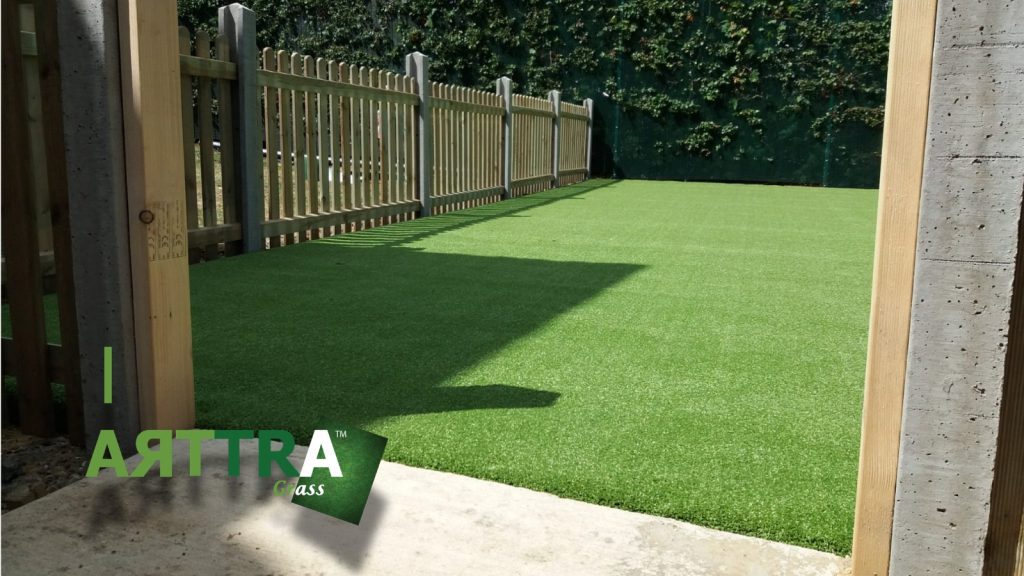
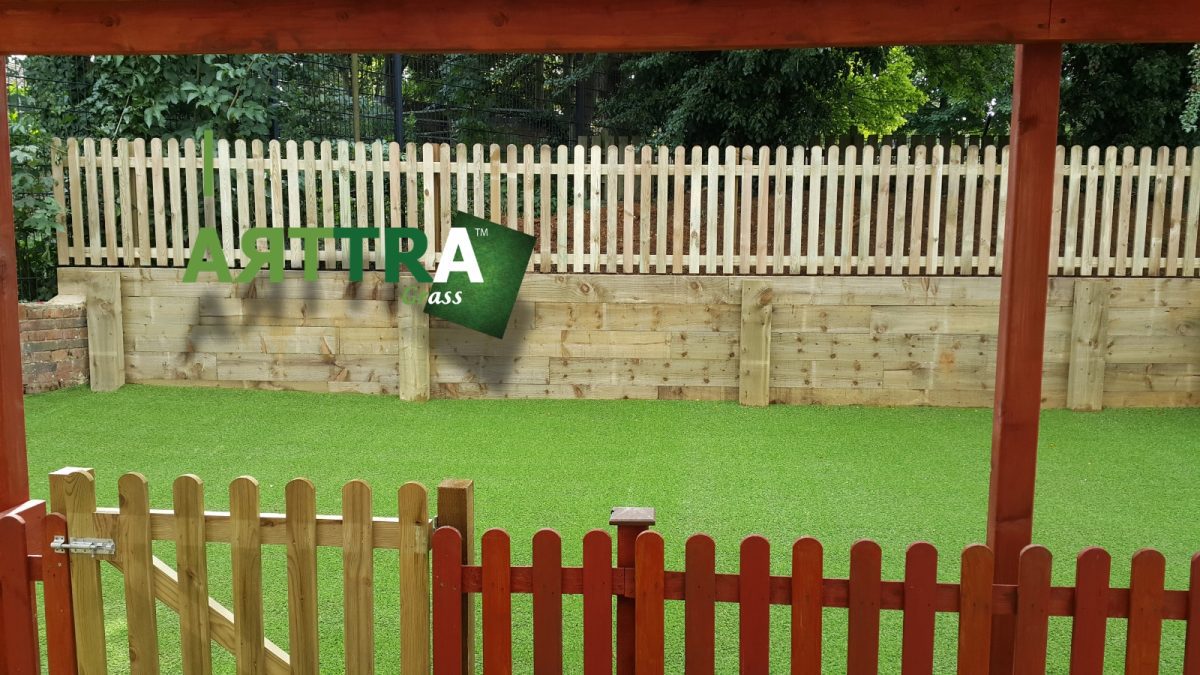
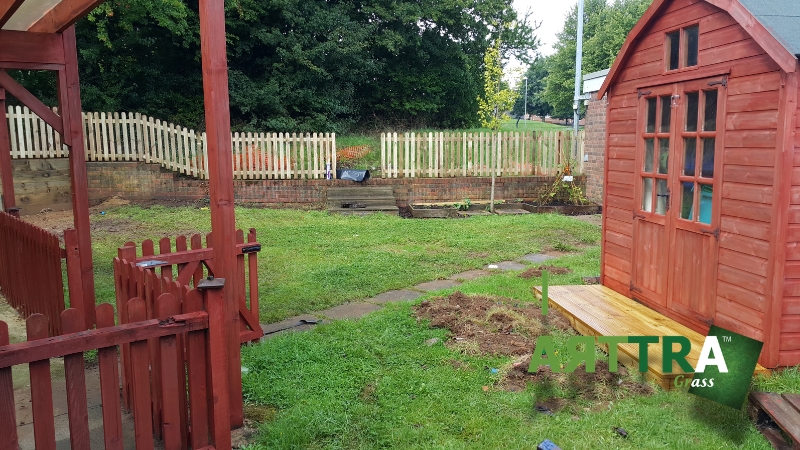
Before ARTTRAGrass at Cygnet Pre-School
Before installing ARTTRAGrass® artificial grass at Cygnet Pre-School | Wellingborough

The Solution: Soft, Durable Artificial Grass for Early Years

ARTTRAGrass® installed a premium artificial grass system designed specifically for nursery environments.

Installation Highlights

✔ Full ground preparation
✔ Stable sub-base construction
✔ Free-draining system
✔ Child-friendly pile height
✔ Soft yet durable fibre structure
✔ Non-toxic materials

The new surface immediately transformed the outdoor area into a clean, welcoming play environment.

The Results: A Cleaner, Safer Nursery Environment

Following installation, Cygnet Pre-School benefited from:

  • No more muddy shoes entering classrooms
  • Improved hygiene standards
  • All year round outdoor access
  • Reduced maintenance time
  • Enhanced visual appeal for prospective parents

The artificial grass now provides a consistent, all-weather play area that supports learning, exploration and physical development.

Why Artificial Grass Is Ideal for Nurseries

1. Hygiene Control

Artificial grass eliminates soil transfer and reduces the risk of mud being tracked indoors.

2. All-Weather Access

No more restricting outdoor play due to rain.

3. Comfort & Softness

Designed to be gentle underfoot for toddlers.

4. Low Maintenance

No mowing, reseeding or mud management.

5. Parent Confidence

A clean, bright play area reassures families during visits and inspections.

Project Details

Client: Cygnet Pre-School
Application: Nursery outdoor play area
System: ARTTRAGrass® child-friendly artificial turf
Objective: Improve hygiene, safety and all year round usability
Outcome: Clean, durable, visually appealing outdoor environment

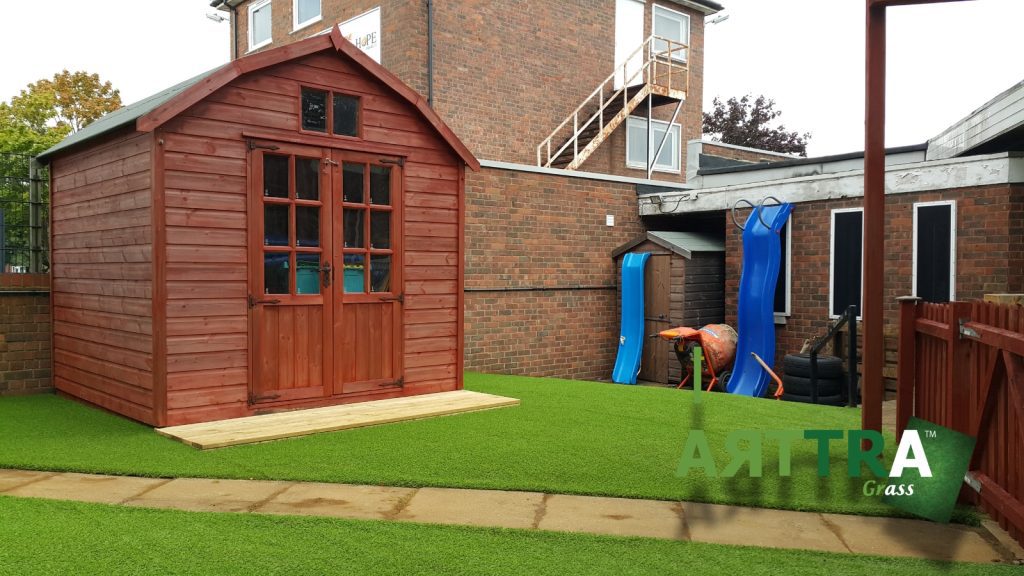
Cygnet Pre-School Wellingborough

Considering Artificial Grass for Your Nursery?

If your early years setting struggles with:

  • Muddy outdoor areas
  • High maintenance demands
  • Seasonal closures
  • Parent concerns about cleanliness

ARTTRAGrass® provides tailored nursery-specific solutions across the UK.

Book a site survey to explore options for your outdoor space.

Frequently Asked Questions

1. Is artificial grass safe for nursery children?

Yes. ARTTRAGrass uses non-toxic, child-safe materials suitable for early years settings.

2. Does artificial grass improve hygiene in nurseries?

Yes. It prevents mud transfer and helps maintain cleaner indoor environments.

3. Can nurseries use artificial grass all year round?

Yes. Artificial grass drains effectively and remains usable in wet conditions.

4. Is artificial grass soft enough for toddlers?

Yes. Nursery-specific systems are designed to be comfortable and cushioned.

5. Does artificial grass require a lot of maintenance?

No. It requires minimal brushing and occasional cleaning.

6. Will artificial grass fade over time?

No. Quality systems are UV-stabilised to maintain colour.

7. Can artificial grass support play equipment?

Yes. It can be installed around fixed play structures.

8. Is artificial grass environmentally responsible?

ARTTRAGrass offers recyclable and low-impact options.

9. How long does nursery artificial grass last?

Typically 8–15 years depending on usage.

10. Do you provide installations across the UK?

Yes. ARTTRAGrass works with nurseries and schools nationwide.

GET IN TOUCH

Schedule a Visit

Categories
Education

400sqm Artificial Grass Installation

Winchester House School – Brackley

When Winchester House School contacted ARTTRAGrass®, the issue wasn’t aesthetics.

It was mud.

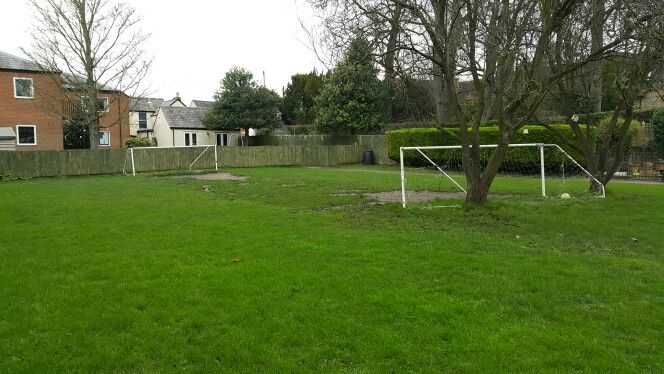
The school’s natural grass play area had become:

  • Waterlogged in winter
  • Patchy and worn
  • Slippery underfoot
  • A constant source of muddy shoes entering classrooms

Staff were spending unnecessary time managing mess instead of focusing on learning.

The solution? A durable, 400sqm artificial grass installation designed for all year round use.

The Problem: Mud Disrupting Education

Like many primary and preparatory schools, Winchester House relied on a natural grass area for outdoor play.

However:

  • Heavy pupil footfall caused rapid wear
  • Rain turned the surface into mud
  • Children returned to class with dirty footwear
  • Cleaning costs increased
  • Break-time access was restricted in wet weather

This is one of the most common drivers for schools switching to artificial grass.

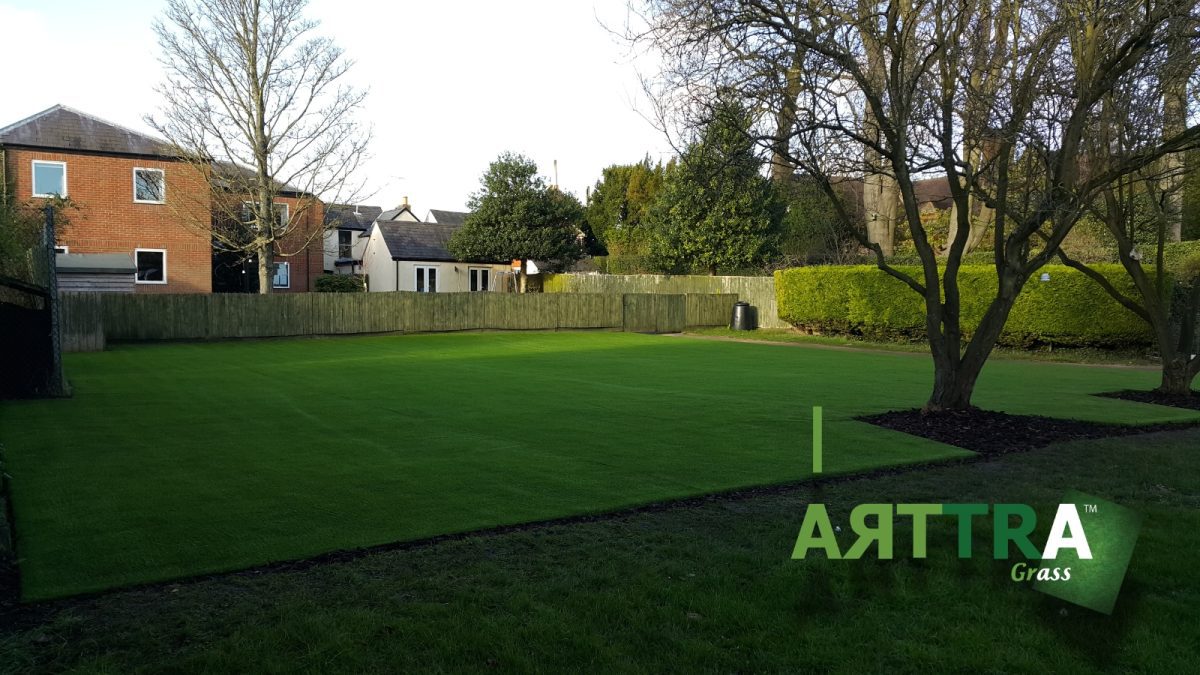
Before ARTTRAGrass Artificial Grass Winchester School
Before we installed ARTTRAGrass® Artificial Grass at Winchester School | Brackley

The Solution: 400sqm of ARTTRAGrass® 25mm Bio-Backed Turf

We installed approximately 400 square metres of ARTTRAGrass® 25mm artificial grass to transform the play space into a clean, consistent surface.

Installation Highlights:

✔ Full ground preparation
✔ Drainage optimisation
✔ High-footfall durability design
✔ 25mm child-friendly pile height
✔ 100% recyclable bio-backed system

The result was immediate.

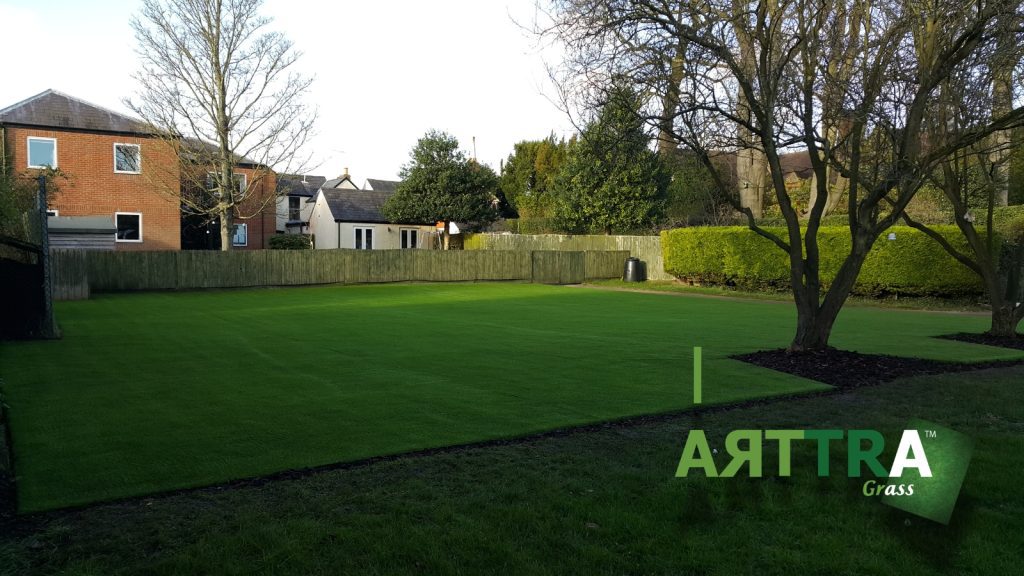
Winchester House School Artificial Grass Brackley

The Results: A Mud-Free School Environment

After installation:

  • No more muddy shoes
  • All year round play access
  • Cleaner classrooms
  • Reduced maintenance demands
  • Improved pupil experience

The artificial grass now provides a consistent, stable surface regardless of weather conditions.

Why Artificial Grass Solves the Mud Problem

Natural grass struggles under:

  • High daily footfall
  • Compacted soil
  • Winter rainfall
  • Limited recovery time

Artificial grass eliminates:

  • Soil erosion
  • Bare patches
  • Waterlogging
  • Mud transfer into buildings

For schools, this translates into:

  • Operational efficiency
  • Reduced cleaning costs
  • Fewer weather cancellations
  • Better safeguarding

Project Details

Client: Winchester House School
Location: Brackley, Northamptonshire
Area Installed: 400sqm
System Used: ARTTRAGrass® 25mm
Primary Objective: Eliminate mud and improve all year round usability
Result: Clean, durable, all-weather play surface

Is Your School Facing the Same Problem?

If your school experiences:

  • Muddy playgrounds
  • Waterlogged grass
  • Dirty classrooms
  • Restricted winter use

Artificial grass may be the long-term solution.

ARTTRAGrass® provides tailored site surveys and specifications for schools across the UK.

Frequently Asked Questions

1. Why did Winchester House School choose artificial grass?

To eliminate mud problems and create a year-round usable play area.

2. How large was the installation?

Approximately 400 square metres.

3. Did artificial grass solve the muddy shoe problem?

Yes. The new surface prevents soil erosion and waterlogging.

4. What pile height was used?

A 25mm pile height, ideal for school playground use.

5. Is artificial grass better than natural grass for schools?

For high-footfall environments, artificial grass provides greater durability and consistent usability.

6. Does artificial grass reduce cleaning costs?

Yes. Mud transfer into classrooms is significantly reduced.

7. Is the system environmentally friendly?

Yes. ARTTRAGrass® bio-backed turf is 100% recyclable and reduces fossil fuel dependency.

8. How long will this artificial grass last?

Typically 8–15 years depending on usage levels.

9. Is it safe for children?

Yes. The surface is non-toxic, odour-free and designed for child environments.

10. Can schools in Brackley request a site survey?

Yes. We provide consultations for schools across Northamptonshire and the UK.

GET IN TOUCH

Schedule a Visit