Categories
Education

Artificial Grass vs Natural Grass for Schools

Artificial grass vs natural grass for schools; Which is the better long-term investment? Choosing the right outdoor surface for a school is not just about appearance.

It affects:

  • Safety
  • Maintenance budgets
  • Cleaning costs
  • Accessibility
  • All year round usability
  • Staff workload
  • Parent perception

For many schools, the debate comes down to one question:

Artificial grass or natural grass?

This guide provides a balanced, practical comparison to help headteachers, bursars and estates managers make an informed decision.

Quick Comparison Overview

FactorArtificial GrassNatural Grass
Year-round usability✅ All weather❌ Restricted in winter
Mud control✅ Eliminates mud❌ High risk
Maintenance✅ Low❌ High
Upfront costHigherLower
Long-term costPredictableOngoing + rising
AccessibilityExcellentVariable
Lifespan8–15 yearsContinuous upkeep

Now let’s explore this properly.

1. All Year Round Usability

Natural Grass

Natural grass struggles under:

  • Heavy footfall
  • Compacted soil
  • Winter rainfall
  • Limited recovery time

In school environments, grass rarely gets time to regenerate.

Wet weather often means:

  • Play areas closed
  • Break times restricted
  • Mud forming
  • Increased indoor congestion

Artificial Grass

Artificial grass provides:

  • Consistent drainage
  • No soil erosion
  • No recovery time needed
  • Immediate usability after rainfall

For high-footfall school environments, this consistency is often the deciding factor.

2. The Mud Problem

Mud is not just a cosmetic issue.

It leads to:

  • Dirty classrooms
  • Increased cleaning hours
  • Slippery corridors
  • Lost learning time
  • Higher caretaker workload

Many schools move to artificial grass specifically to eliminate mud transfer.

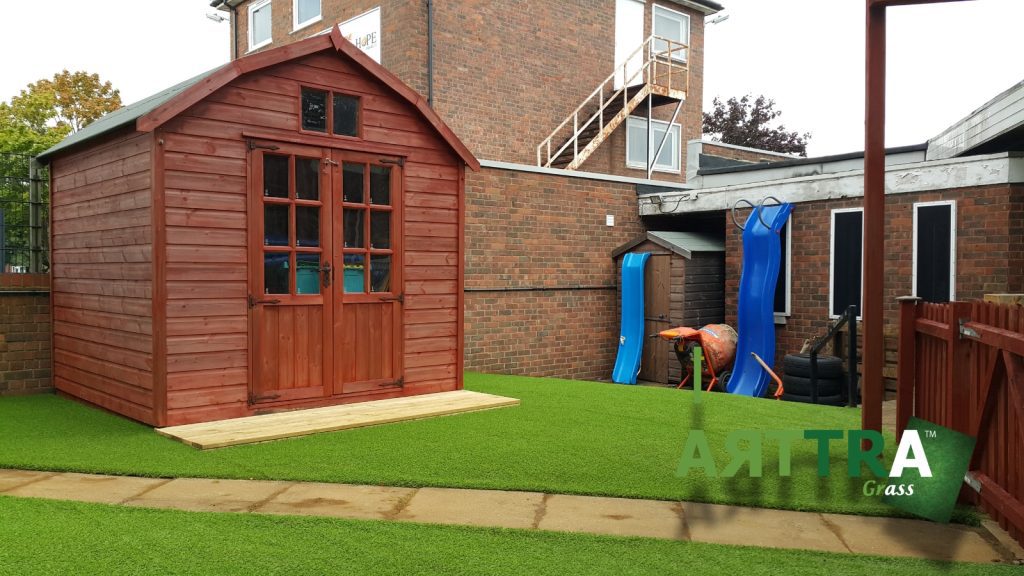
One example is Winchester House School, where a 400sqm artificial grass installation significantly reduced muddy classroom disruption.

Natural grass simply cannot prevent soil transfer in wet conditions.

Artificial grass eliminates the source of mud entirely.
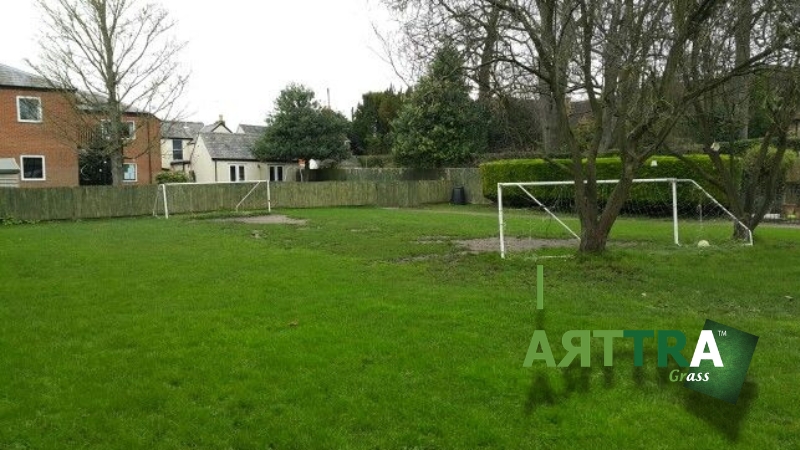
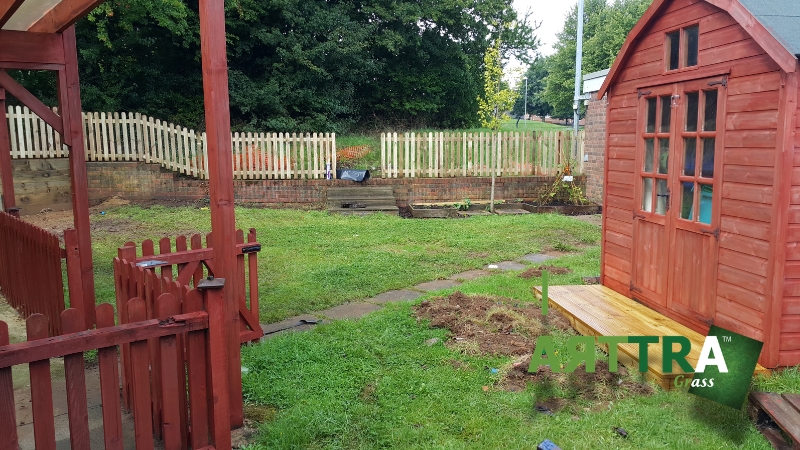
ARTTRA Grass Before Winchester House School
Before installing ARTTRAGrass® Artificial Grass at The Winchester House School | 2015

3. Maintenance Requirements

Natural Grass Maintenance Includes:

  • Regular mowing
  • Seasonal reseeding
  • Fertilising
  • Irrigation
  • Pest treatment
  • Aeration
  • Weed control
  • Line marking

These tasks require:

  • Ongoing labour
  • Specialist contractors
  • Equipment storage
  • Rising costs

Artificial Grass Maintenance Includes:

  • Occasional brushing
  • Debris removal
  • Infrequent deep cleaning

There is no:

  • Mowing
  • Watering
  • Reseeding
  • Fertilising

For schools with limited estates budgets, this reduction in ongoing maintenance can be transformative.

4. Long-Term Cost Comparison

This is where many decisions are made.

Natural Grass: Lower Upfront, Higher Lifetime Cost

While natural grass has lower installation costs, schools must factor:

  • Annual maintenance contracts
  • Grounds staff time
  • Repair work
  • Drainage improvements
  • Ongoing wear recovery

Over 10 years, cumulative maintenance can exceed initial artificial grass installation costs.

Artificial Grass: Higher Upfront, Predictable Over Time

Artificial grass requires a larger initial investment.

However:

  • No mowing contracts
  • No reseeding
  • Reduced cleaning costs
  • Reduced caretaker hours
  • Fewer weather closures

Over 8–15 years, many schools find artificial grass delivers better cost predictability.

(A dedicated cost breakdown page can explore this in detail.)

5. Durability Under High Footfall

School environments are extreme-use environments.

Natural grass suffers under:

  • Daily break times
  • PE sessions
  • Events
  • Assemblies
  • Sports days

Even high-quality turf deteriorates under constant compaction.

Artificial grass is specifically designed for:

  • Heavy daily use
  • Repetitive foot traffic
  • Consistent performance

This durability is particularly valuable in smaller playground areas where wear concentrates quickly.

6. Accessibility & Inclusion

Inclusion is increasingly central to school design.

Natural grass can become:

  • Uneven
  • Slippery
  • Soft under wheels
  • Difficult for mobility aids

Artificial grass provides:

  • Stable surfaces
  • Predictable traction
  • Wheelchair accessibility (when properly installed)
  • Level transitions

For Special Educational Needs settings, surface predictability can support confidence and safe movement.

7. Safety Considerations

Both surfaces can be safe — but performance varies.

Natural Grass

  • Can become slippery when wet
  • Develops uneven wear patches
  • May hide dips or ruts
  • Hardens in summer

Artificial Grass

When properly specified:

  • Provides consistent grip
  • Can include shockpads
  • Drains effectively
  • Remains stable all year round

Installation quality is critical in either case.

8. Environmental Considerations

This is often a sensitive topic.

Natural Grass

Pros:

  • Natural ecosystem
  • Carbon absorption
  • Biodiversity support

Cons:

  • Water consumption
  • Fertiliser use
  • Fuel for mowing equipment
  • Chemical treatments

Artificial Grass

Pros:

  • No watering
  • No fertilisers
  • No mowing emissions
  • Long lifespan
  • Recyclable options available

Modern bio-backed systems are increasingly addressing environmental concerns.

The key is selecting a responsible supplier and product.

9. Aesthetic & Presentation

School grounds influence:

  • Parent perception
  • Ofsted visits
  • Prospectus photography
  • Event presentation

Natural grass can look beautiful — when perfectly maintained.

But in winter or high-use areas, it often appears worn and patchy.

Artificial grass provides a consistently green appearance throughout the year.

For schools hosting events — such as the temporary installation delivered at Francis Holland School — presentation can be critical.

10. When Natural Grass Is the Right Choice

Artificial grass is not always the answer.

Natural grass may be preferable when:

  • Large sports fields are available
  • Maintenance budgets are strong
  • Usage levels are moderate
  • Biodiversity is a priority
  • Space allows rotational rest periods

The decision depends on context.

When Artificial Grass Is the Right Choice

Artificial grass is often ideal when:

  • Play areas are compact
  • Footfall is high
  • Mud is a recurring issue
  • Cleaning costs are rising
  • Accessibility is a priority
  • All year round usability is essential

Most schools switching to artificial grass do so due to operational pressures rather than aesthetics alone.

FAQs: Artificial Grass vs Natural Grass for Schools

1. Is artificial grass better than natural grass for schools?

It depends on usage levels and maintenance capacity. For high-footfall playgrounds, artificial grass often provides greater durability and usability.

2. Does artificial grass reduce mud in schools?

Yes. Artificial grass eliminates soil erosion, preventing mud formation.

3. Is natural grass cheaper than artificial grass?

Upfront, yes. Over the long term, ongoing maintenance can narrow or exceed the cost difference.

4. How long does artificial grass last in schools?

Typically 8–15 years depending on use and installation quality.

5. Can artificial grass be installed over existing surfaces?

Yes. It can be installed over prepared ground or certain hard surfaces when specified correctly.

6. Is artificial grass safe for children?

Yes. When properly installed, it provides stable, non-toxic, child-safe surfaces.

7. Does artificial grass require maintenance?

Yes, but significantly less than natural grass.

8. Does artificial grass drain properly?

Yes. Professional systems are permeable and designed for effective drainage.

9. Does artificial grass get too hot?

It can become warmer in direct sunlight, similar to other outdoor surfaces. Shade planning can mitigate this.

10. Will artificial grass damage the environment?

Modern systems offer recyclable and lower-impact options. Environmental impact depends on product choice and maintenance practices.

Final Thoughts: Artificial Grass vs Natural Grass for Schools

The decision between artificial grass and natural grass is not about trends.

It’s about:

  • Operational efficiency
  • Budget control
  • Accessibility
  • Safety
  • Usability

For many high-footfall schools, artificial grass offers predictable performance and reduced long-term disruption.

For others, natural grass remains appropriate where space, budgets and usage allow.

If your school is evaluating options, a site-specific assessment is always recommended.

GET IN TOUCH
Schedule a Visit

Categories
Education

Artificial Grass Installation

Cygnet Pre-School Wellingborough

When Cygnet Pre-School in Wellingborough approached ARTTRAGrass®, their priority wasn’t just aesthetics.

It was hygiene.

The nursery required an outdoor play surface that was:

  • Safe for toddlers
  • Soft underfoot
  • Clean and mud-free
  • Usable in all seasons
  • Visually welcoming for parents

Natural grass had become inconsistent, muddy and difficult to maintain — especially during wet weather.

The solution was a purpose-designed artificial grass system tailored for early years environments.

The Challenge: Cleanliness & All Year Round Usability

Nurseries face unique challenges compared to primary schools:

  • Younger children play closer to the ground
  • Increased hand-to-surface contact
  • Higher hygiene expectations from parents
  • Limited tolerance for mud and waterlogging
  • Daily use regardless of season

Cygnet Pre-School needed a surface that would:

  • Eliminate mud transfer indoors
  • Provide cushioning and comfort
  • Maintain a bright, attractive appearance
  • Withstand daily high footfall
Before ARTTRAGrass at Cygnet Pre-School
Before installing ARTTRAGrass® artificial grass at Cygnet Pre-School | Wellingborough

The Solution: Soft, Durable Artificial Grass for Early Years

ARTTRAGrass® installed a premium artificial grass system designed specifically for nursery environments.

Installation Highlights

âś” Full ground preparation
âś” Stable sub-base construction
âś” Free-draining system
âś” Child-friendly pile height
âś” Soft yet durable fibre structure
âś” Non-toxic materials

The new surface immediately transformed the outdoor area into a clean, welcoming play environment.

The Results: A Cleaner, Safer Nursery Environment

Following installation, Cygnet Pre-School benefited from:

  • No more muddy shoes entering classrooms
  • Improved hygiene standards
  • All year round outdoor access
  • Reduced maintenance time
  • Enhanced visual appeal for prospective parents

The artificial grass now provides a consistent, all-weather play area that supports learning, exploration and physical development.

Why Artificial Grass Is Ideal for Nurseries

1. Hygiene Control

Artificial grass eliminates soil transfer and reduces the risk of mud being tracked indoors.

2. All-Weather Access

No more restricting outdoor play due to rain.

3. Comfort & Softness

Designed to be gentle underfoot for toddlers.

4. Low Maintenance

No mowing, reseeding or mud management.

5. Parent Confidence

A clean, bright play area reassures families during visits and inspections.

Project Details

Client: Cygnet Pre-School
Application: Nursery outdoor play area
System: ARTTRAGrass® child-friendly artificial turf
Objective: Improve hygiene, safety and all year round usability
Outcome: Clean, durable, visually appealing outdoor environment

Cygnet Pre-School Wellingborough

Considering Artificial Grass for Your Nursery?

If your early years setting struggles with:

  • Muddy outdoor areas
  • High maintenance demands
  • Seasonal closures
  • Parent concerns about cleanliness

ARTTRAGrass® provides tailored nursery-specific solutions across the UK.

Book a site survey to explore options for your outdoor space.

Frequently Asked Questions

1. Is artificial grass safe for nursery children?

Yes. ARTTRAGrass uses non-toxic, child-safe materials suitable for early years settings.

2. Does artificial grass improve hygiene in nurseries?

Yes. It prevents mud transfer and helps maintain cleaner indoor environments.

3. Can nurseries use artificial grass all year round?

Yes. Artificial grass drains effectively and remains usable in wet conditions.

4. Is artificial grass soft enough for toddlers?

Yes. Nursery-specific systems are designed to be comfortable and cushioned.

5. Does artificial grass require a lot of maintenance?

No. It requires minimal brushing and occasional cleaning.

6. Will artificial grass fade over time?

No. Quality systems are UV-stabilised to maintain colour.

7. Can artificial grass support play equipment?

Yes. It can be installed around fixed play structures.

8. Is artificial grass environmentally responsible?

ARTTRAGrass offers recyclable and low-impact options.

9. How long does nursery artificial grass last?

Typically 8–15 years depending on usage.

10. Do you provide installations across the UK?

Yes. ARTTRAGrass works with nurseries and schools nationwide.

GET IN TOUCH

Schedule a Visit

Categories
Dogs

ARTTRAGrass® vs Standard Artificial Turf

Which Is Truly Best for Dogs and UK Families?

If you’re investing in artificial grass for your dog, you’ve probably realised something:

Not all artificial turf is the same.

At first glance, most products look similar.

But beneath the surface, the differences are significant — especially when it comes to:

  • Pet safety
  • Odour control
  • Environmental impact
  • Longevity
  • Backing technology
  • Fossil fuel dependency

This page breaks down the real differences between:

ARTTRAGrass® (100% recyclable bio-backed system)
vs
Standard petroleum-backed artificial turf

So you can make an informed decision.

The Core Difference: Backing Technology

Most artificial grass in the UK uses:

  • Latex or polyurethane backing
  • Petroleum-derived materials
  • Mixed-material construction
  • Limited recyclability

ARTTRAGrass® uses:

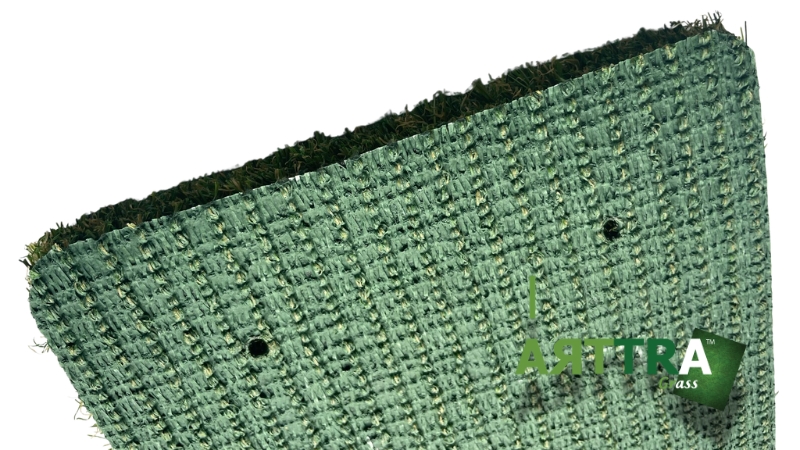
  • 100% recyclable bio-backed green backing
  • Reduced fossil fuel dependency
  • Lower carbon footprint manufacturing
  • Fully recyclable design pathway

The fibres may look similar on top.

The backing is where the real innovation lives.

Side-by-Side Comparison

FeatureARTTRAGrass®Standard Artificial Turf
Backing100% recyclable bio-backedLatex / PU (petroleum-based)
Fossil Fuel DependencyDrastically reducedHigh
RecyclabilityDesigned for recyclingOften landfill
Odour ResistanceSupports airflow & drainageVaries
SafetyNon-toxicDepends on manufacturer
Available Pile Heights25mm & 35mmVarious
UK Family FocusYesNot always
Long-Term Environmental ImpactLowerHigher

1. Safety for Dogs and Children

When it comes to pets, safety is non-negotiable.

Standard Turf Risks May Include:

  • Chemical stabilisers
  • Petroleum-based backing
  • Questionable sourcing
  • Heat retention concerns
  • VOC emissions (varies by manufacturer)

ARTTRAGrass® Focuses On:

  • Non-toxic materials
  • Family-safe construction
  • Designed for pet and child use
  • Low-carbon innovation

While many products claim safety, ARTTRAGrass® is engineered specifically with family use in mind.

2. Environmental Impact

This is where the biggest separation happens.

Standard Artificial Turf

  • Heavily petroleum-based
  • Difficult to recycle
  • Often disposed of in landfill
  • High fossil fuel input

ARTTRAGrass®

  • Bio-backed green technology
  • Reduced fossil fuel dependency
  • 100% recyclable pathway
  • Lower carbon footprint

For eco-conscious UK homeowners, this difference matters.

3. Odour and Drainage Performance

Dog urine smell is usually caused by:

  • Poor drainage
  • Inadequate sub-base
  • Moisture retention
  • Bacteria build-up

Standard turf may:

  • Use impermeable backings
  • Trap moisture
  • Increase odour risk if poorly installed

ARTTRAGrass®:

  • Supports airflow
  • Compatible with permeable installations
  • Designed for pet-friendly drainage systems

Proper installation is critical — but product design plays a major role.

4. Longevity and Structural Integrity

Standard turf:

  • Backing can degrade over time
  • Latex may crack
  • Separation can occur in low-cost products

ARTTRAGrass®:

  • Engineered backing system
  • Built for UK weather
  • Designed for long-term performance

When investing in artificial grass, longevity impacts total cost of ownership.

5. Performance Under Heavy Dog Use

Dogs create:

  • Repetitive traffic
  • Concentrated toilet spots
  • Turning stress
  • Claw pressure

ARTTRAGrass® is available in:

  • 25mm (heavy-duty practicality)
  • 35mm (family aesthetic finish)

Both options maintain structural performance while supporting drainage.

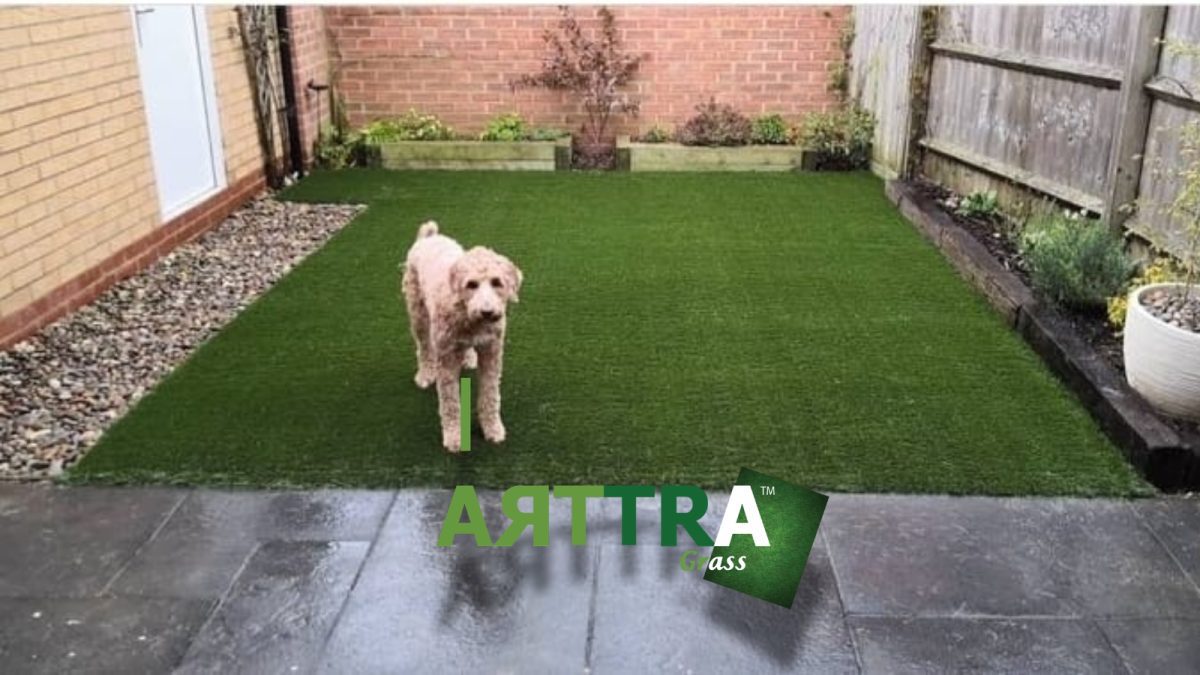
ARTTRAGrass® Artificial Dog Grass

6. Heat Retention

All artificial grass warms in direct sun.

However, darker petroleum-based backings may contribute to heat retention.

ARTTRAGrass®’s green bio-backed system reduces reliance on petroleum-heavy components.

For UK climate conditions, heat is rarely extreme — but product design still matters.

7. Cost Comparison

Standard artificial turf can appear cheaper upfront.

But consider:

  • Replacement frequency
  • Disposal costs
  • Environmental cost
  • Performance degradation
  • Brand credibility

ARTTRAGrass® may represent:

  • Higher upfront value
  • Lower long-term environmental cost
  • Premium family-focused investment

Price is only one part of the equation.

Who Should Choose Standard Turf?

Standard artificial turf may suit:

  • Budget-only projects
  • Temporary installations
  • Low-use decorative spaces

But for dog-owning families prioritising safety and sustainability, alternatives are worth evaluating.

Who Should Choose ARTTRAGrass®?

ARTTRAGrass® is ideal for:

  • Dog owners
  • Families with children
  • Eco-conscious households
  • Homeowners planning long-term
  • Multi-dog homes
  • Responsible property developers

It’s built for people who care about what’s under the surface — not just how it looks on top.

Why the UK Market Is Changing

UK homeowners are becoming more aware of:

  • Sustainability
  • Carbon impact
  • Pet safety
  • Material sourcing
  • Product lifecycle

The artificial grass industry is evolving.

Petroleum-heavy systems are slowly being challenged by recyclable innovations.

ARTTRAGrass® is positioned at the front of that shift.

Visit our Artificial Grass for Dogs service page for more information.

The Real Question Isn’t “Which Looks Better?”

Most artificial grass looks good in photos.

The real question is:

What is it made of?
Where does it end up?
How does it impact your dog?
How does it impact the planet?

That’s where meaningful differentiation exists.

Frequently Asked Questions: ARTTRAGrass® vs Standard Artificial Turf

1. Is ARTTRAGrass® safer than standard artificial turf?

ARTTRAGrass® is designed to be non-toxic and family-safe, with reduced fossil fuel reliance.

2. Is all artificial grass recyclable?

No. Most standard turf is difficult to recycle due to mixed-material construction.

3. Does standard turf contain petroleum?

Most traditional backings rely heavily on petroleum-derived materials.

4. Is ARTTRAGrass® fully recyclable?

It is designed with a 100% recyclable pathway.

5. Which is better for dogs?

Products designed with drainage, safety, and non-toxic materials are generally preferable.

6. Does ARTTRAGrass® cost more?

It may have a higher upfront cost but offers long-term environmental and performance benefits.

7. Is it suitable for multiple dogs?

Yes, especially in the 25mm option.

8. Does recyclable turf last as long?

Yes — durability is engineered into the backing system.

9. Is installation different?

Installation principles remain similar.

10. Why choose ARTTRAGrass® over a cheaper option?

Because long-term safety, sustainability, and performance matter.

GET IN TOUCH

Schedule a Visit

Categories
Dogs

How to Stop Artificial Grass Smelling of Dog Urine (UK Guide 2026)

If your artificial lawn smells unpleasant, you’re not imagining it.

One of the most searched problems in the UK artificial turf market is:

“Why does my artificial grass smell of dog urine?”

The good news?
The smell is not inevitable.

The better news?
It’s preventable — and in most cases, fixable.

In this guide, we’ll explain:

  • Why artificial grass develops urine odour
  • How to remove existing smells
  • The biggest installation mistakes
  • Long-term prevention strategies
  • When replacement is the only real solution

Why Artificial Grass Smells of Dog Urine

Artificial grass itself does not create smell.

The odour comes from:

  • Ammonia in dog urine
  • Bacteria growth
  • Urine pooling beneath the surface
  • Poor drainage systems
  • Incorrect sub-base installation

In UK conditions, damp weather can worsen the issue by slowing evaporation.

The Real Cause: Drainage Failure

In over 80% of odour cases, the root cause is poor drainage.

This happens when:

  • The backing is not sufficiently permeable
  • The sub-base is compacted incorrectly
  • There is no proper MOT Type 1 base
  • Sand layers trap moisture
  • Cheap latex backing restricts airflow

When urine cannot drain vertically, it stagnates — creating ammonia build-up and bacterial growth.

No cleaning product can permanently fix trapped urine beneath the turf.

Immediate Fix: How to Remove Artificial Grass Dog Urine Smell

If the smell is recent or mild, try this step-by-step method.

Step 1: Rinse Thoroughly

Use a garden hose to flush the affected area.

In the UK, regular rainfall often helps — but targeted rinsing is more effective.

Step 2: Apply an Enzyme Cleaner

Use a pet-safe enzyme-based artificial grass cleaner.

Enzymes break down:

  • Uric acid crystals
  • Bacteria
  • Organic residue

Avoid bleach or harsh chemicals — they can damage fibres and harm pets.

Step 3: Brush the Fibres

Brushing helps:

  • Lift flattened fibres
  • Improve airflow
  • Prevent moisture trapping

Step 4: Improve Drainage Flow

If water pools after rinsing, your issue is structural — not surface-level.

What NOT to Do

Avoid:

  • Pouring undiluted disinfectant
  • Using pressure washers excessively
  • Masking smell with fragranced sprays
  • Ignoring sub-base issues

Temporary solutions only delay the problem.

When Cleaning Doesn’t Work

If the smell keeps returning after rain or cleaning, it usually means:

  • Urine has soaked into the sub-base
  • The turf backing restricts drainage
  • The base was not installed correctly

In these cases, surface treatment will not solve the issue.

The solution may involve:

  • Lifting sections of turf
  • Replacing the base layer
  • Installing higher drainage backing

How Proper Installation Prevents Smell

A correctly installed dog friendly artificial grass system should include:

  1. Adequate excavation depth
  2. Compacted MOT Type 1 base
  3. Sharp sand levelling
  4. Permeable membrane
  5. High-drainage turf backing

Premium systems like ARTTRAGrass® use advanced bio-backed green backing technology, supporting airflow and vertical drainage.

This drastically reduces the risk of urine stagnation compared to traditional latex-backed turf.

Why Cheap Artificial Grass Smells More

Budget turf often uses:

  • Dense latex backing
  • Limited perforation
  • Poor-quality fibres
  • Weak seam bonding

These materials trap moisture and limit airflow.

Over time, bacteria multiply beneath the surface — especially in multi-dog households.

UK Climate & Artificial Grass Smell

In warmer countries, heat can intensify odour.

In the UK, the main issue is damp conditions slowing evaporation.

That’s why:

  • Proper drainage is essential
  • Sub-base preparation matters
  • Permeable materials outperform sealed systems

Preventing Artificial Grass Dog Urine Smell Long-Term

To prevent future problems:

âś” Rinse High-Use Areas Weekly

âś” Remove Solid Waste Promptly

âś” Use Enzyme Cleaner Monthly

âś” Ensure Proper Drainage During Installation

âś” Choose High-Permeability Turf

Prevention is far easier than correction.

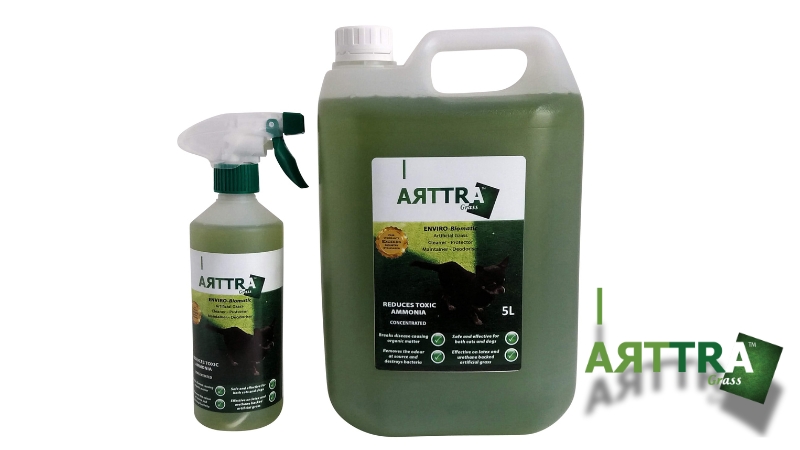
Enzyme Cleaner for Artificial Grass

Is Artificial Grass Always Going to Smell with Dogs?

No.

When:

  • The product is high quality
  • The backing is breathable
  • Installation is professional
  • Drainage is correct

Artificial grass can remain odour-free for years. Pet infills can also help.

Thousands of UK households successfully use dog friendly artificial grass without issues.

When Replacement Is the Best Option

If:

  • The base is saturated with urine
  • The backing is non-permeable
  • Smell returns within days of cleaning

You may need to replace the turf and rebuild the base properly.

When upgrading, choose a system designed specifically for pet use — not decorative garden turf.

Why Many UK Dog Owners Upgrade to ARTTRAGrass®

If you’re experiencing persistent artificial grass dog urine smell, it’s often due to:

  • Outdated latex-backed turf
  • Inadequate drainage
  • Poor installation

ARTTRAGrass® is engineered with:

  • 100% recyclable bio-backed green backing
  • Reduced fossil fuel dependency
  • Improved drainage compatibility
  • Non-toxic construction
  • Availability in 25mm and 35mm

It’s designed specifically for families with pets and children.

Get more information by visiting our Artificial Grass for Dogs service page.

Final Thoughts

Artificial grass dog urine smell is not inevitable.

It’s usually the result of:

  • Poor drainage
  • Cheap materials
  • Installation shortcuts

Fix minor issues with cleaning.

Fix structural issues with better installation.

And if needed — upgrade to a system built for real dog ownership.

Need Expert Advice?

If your artificial lawn smells and you are unsure whether it’s fixable or needs replacing, request a professional assessment.

We will help you determine whether cleaning, drainage correction or full replacement is the best solution.

FAQs: How to Stop Artificial Grass Smelling of Dog Urine

1. Why does my artificial grass smell of dog urine?

Usually due to poor drainage or urine pooling beneath the turf.

2. Can artificial grass smell permanently?

Only if the sub-base is saturated and drainage is inadequate.

3. Does rain remove urine smell?

Rain helps, but proper drainage is more important.

4. What is the best cleaner for artificial grass dog urine?

Pet-safe enzyme cleaners are most effective.

5. Should I use bleach on artificial grass?

No, bleach can damage fibres and harm pets.

6. How often should I rinse artificial grass with dogs?

Weekly for high-use areas.

7. Does pile height affect odour?

Indirectly — shorter piles (25mm) dry faster.

8. Can poor installation cause smell?

Yes, it’s the most common cause.

9. Is eco-friendly artificial grass less likely to smell?

High-quality permeable systems are less prone to odour.

10. When should artificial grass be replaced?

If smell persists despite cleaning and drainage corrections.

GET IN TOUCH

Schedule a Visit

Categories
Dogs

The Ultimate Guide to Dog Friendly Artificial Grass (UK 2026 Edition)

If you are researching dog friendly artificial grass, you’re likely dealing with one (or more) of these problems:

  • Muddy paws destroying your floors
  • Yellow urine burn patches across your lawn
  • Constant reseeding and fertilising
  • Smells lingering in warm weather
  • A garden that looks worn out and patchy

You’re not alone.

Across the UK, more dog owners are replacing natural turf with modern artificial systems designed specifically for pets. But here’s the critical part:

Not all artificial grass is genuinely dog friendly.

This guide explains everything UK dog owners need to know before investing — from safety and drainage to pile height, environmental impact and long-term value.

What Does “Dog Friendly Artificial Grass” Actually Mean?

This term gets used loosely in the industry.

True dog friendly artificial grass must:

  • Be non-toxic
  • Drain urine quickly
  • Resist odour build-up
  • Withstand high traffic
  • Be easy to clean
  • Stay stable under digging pressure
  • Remain safe in UK weather conditions

If it fails in any of these areas, it’s simply decorative turf — not pet-engineered lawn.

Is Artificial Grass Safe for Dogs in the UK?

This is the most common concern for responsible pet owners.

The Safety Factors That Matter

A dog safe artificial lawn should include:

  • Lead-free yarn fibres
  • No harmful chemical coatings
  • No crumb rubber infill
  • Proper drainage backing
  • Stable installation

High-quality systems such as ARTTRAGrass® are built using a 100% recyclable bio-backed green backing, reducing fossil fuel reliance and eliminating traditional latex concerns.

Unlike natural lawns, artificial turf also removes exposure to:

  • Fertilisers
  • Weed killers
  • Moss treatments
  • Pesticides

For many UK families, artificial grass is actually the safer option.

The Biggest Concern: Artificial Grass & Dog Urine Smell

Let’s address this honestly.

Yes — artificial grass can smell.

But only when:

  • Drainage is poor
  • Installation is incorrect
  • Cheap latex backing is used
  • Sub-base preparation is inadequate

Why Odour Happens

Dog urine contains ammonia. When urine sits beneath turf without proper drainage, bacteria multiply, causing smell.

How Proper Systems Prevent It

A genuinely dog friendly system includes:

  • Perforated backing
  • Permeable sub-base
  • Fast vertical drainage
  • Airflow beneath the turf

When installed correctly, urine drains away rather than pooling.

In UK climates, regular rainfall also assists natural rinsing.

Natural Grass vs Dog Friendly Artificial Grass

Let’s compare practically.

Natural Grass Problems in the UK

  • Mud for 6+ months of the year
  • Waterlogged lawns
  • Yellow burn patches
  • Constant reseeding
  • Slippery surfaces
  • Digging damage

Dog Friendly Artificial Grass Benefits

  • Mud-free all year
  • No bald patches
  • Minimal maintenance
  • Fast drainage
  • Clean paws
  • Consistent appearance

For multi-dog households, the difference is dramatic.

Choosing the Right Pile Height for Dogs

Pile height affects both aesthetics and practicality.

25mm Artificial Grass

Best for:

  • Heavy dog use
  • Dog runs
  • Multiple dogs
  • Easier cleaning
  • Faster drying

It’s practical and durable.

35mm Artificial Grass

Best for:

  • Family gardens
  • Softer underfoot feel
  • Natural lawn appearance
  • Mixed use (children + pets)

Both options work — the right choice depends on usage intensity.

Drainage: The Most Important Factor

If you remember only one thing from this guide, let it be this:

Drainage determines success.

Proper dog friendly artificial grass installation in the UK requires:

  1. Excavation to correct depth
  2. Compacted MOT Type 1 sub-base
  3. Sharp sand levelling layer
  4. Permeable membrane
  5. High-drainage turf backing

Without this structure, even premium turf can fail.

Eco Friendly Dog Friendly Artificial Grass

Sustainability is now a major consideration for UK homeowners.

Traditional artificial turf relies heavily on petroleum-based latex backings and is often difficult to recycle.

What Makes Modern Turf Eco-Conscious?

  • Bio-based backing systems
  • Reduced fossil fuel dependency
  • 100% recyclability
  • Lower carbon footprint
  • Longer lifespan (reduces replacement waste)

ARTTRAGrass® features pioneering bio-backed technology that drastically reduces fossil fuel reliance compared to traditional synthetic turf.

For families who care about both pets and the planet, this is a major differentiator.

Does Artificial Grass Get Too Hot for Dogs?

In direct sun, all artificial surfaces warm up.

However, in the UK:

  • Extreme temperatures are rare
  • Cloud cover reduces exposure
  • Light watering cools instantly

Modern fibres are also engineered to reduce heat retention compared to older products.

Maintenance Guide for UK Dog Owners

Dog friendly artificial grass is low maintenance — not no maintenance.

Weekly

  • Remove solid waste
  • Hose high-use areas
  • Brush fibres occasionally

Monthly

  • Check edges
  • Inspect drainage areas
  • Use pet-safe enzyme cleaner if needed

Compared to mowing, feeding and reseeding natural lawns, upkeep is minimal

Enzyme Cleaner for Artificial Grass

Preventing Dogs from Digging

Dogs dig for instinct, scent or boredom.

Professional installation prevents lifting:

  • Secure edge restraints
  • Fully compacted base
  • Bonded seams
  • No exposed edges

Once installed correctly, most dogs quickly adapt.

Artificial Grass for Multiple Dogs

Higher traffic requires:

  • Dense fibre construction
  • Superior drainage
  • Slightly shorter pile height (often 25mm preferred)
  • More regular rinsing

For breeders or homes with several dogs, installation quality becomes even more critical.

How Long Does Dog Friendly Artificial Grass Last?

With proper installation in UK conditions:

  • 10–15+ years lifespan
  • Stable drainage
  • Strong fibre resilience

Longevity depends on:

  • Product quality
  • Sub-base preparation
  • Usage intensity
  • Maintenance routine

Cheaper products often fail within 5–7 years

Cost of Dog Friendly Artificial Grass in the UK

Pricing varies depending on:

  • Garden size
  • Access
  • Ground preparation
  • Waste removal
  • Turf specification
  • Installation complexity

While upfront investment is higher than reseeding, long-term savings include:

  • No fertilisers
  • No watering
  • No mowing
  • No lawn repairs
  • No mud damage indoors

For many households, it becomes cost-effective over time.

Explore how much artificial grass costs for dogs in the UK.

Common Myths About Dog Friendly Artificial Grass

“It always smells.”

Only when poorly installed.

“It’s bad for dogs.”

Non-toxic systems are completely safe.

“It’s bad for the environment.”

Modern recyclable bio-backed turf dramatically reduces impact.

“Dogs won’t use it.”

Most adapt immediately.

Who Should Consider Dog Friendly Artificial Grass?

It’s ideal for:

  • Urban homes
  • Busy families
  • Multi-dog households
  • Rental properties
  • Breeders
  • Homes with children and pets

Why Many UK Families Choose ARTTRAGrass®

When comparing options, ARTTRAGrass® stands out because it combines:

  • 100% recyclable bio-backed green backing
  • Non-toxic construction
  • Odour-resistant drainage support
  • Reduced fossil fuel dependency
  • Lower carbon footprint
  • Availability in 25mm and 35mm
  • Designed for families with pets and children

This isn’t just synthetic turf.

It’s next-generation sustainable lawn technology built for real UK homes.

Learn how our products help you on our Artificial Grass for Dogs service page.

Dog Friendly Artificial Grass

Internal Next Steps

If you’re still researching, explore:

  • Artificial grass for dogs installation
  • 25mm vs 35mm artificial grass comparison
  • How to stop artificial grass smelling of dog urine
  • Eco friendly artificial grass explained

If you’re ready to transform your garden:

Request a free quote for dog friendly artificial grass installation today.

Frequently Asked Questions

1. Is dog friendly artificial grass safe for long-term use?

Yes, when manufactured using non-toxic materials and installed correctly.

2. How do you stop artificial grass smelling of dog urine?

Ensure proper drainage during installation and rinse regularly.

3. What pile height is best for dogs?

25mm for heavy use; 35mm for softer family gardens.

4. Does artificial grass get too hot in the UK?

Rarely excessively. Water cools it quickly.

5. Is artificial grass better than natural grass for dogs?

For mud prevention and durability, many UK owners prefer it.

6. Can puppies use artificial grass?

Yes, it’s suitable during toilet training.

7. How long does dog friendly artificial grass last?

Typically 10–15+ years.

8. Is eco friendly artificial grass recyclable?

Some advanced systems are 100% recyclable.

9. Will dogs dig it up?

Not when professionally installed.

10. Does it require special cleaning?

Only simple rinsing and occasional enzyme treatment.

GET IN TOUCH

Schedule a Visit