Categories
Residential

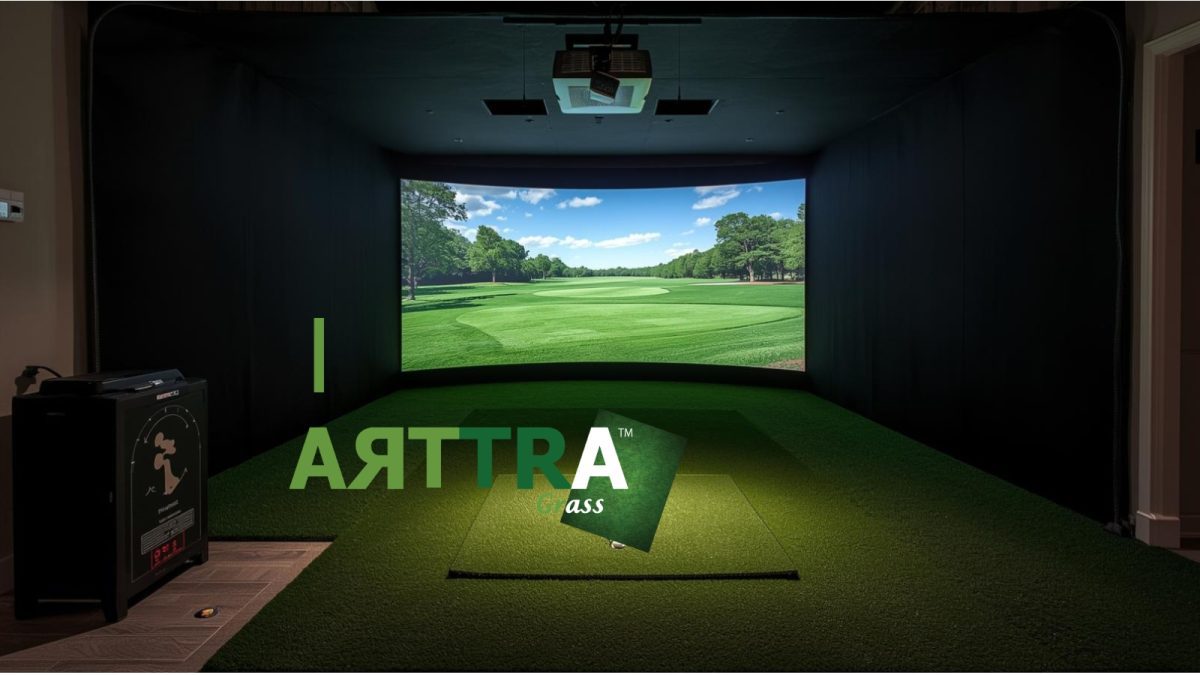
Luxury Home Golf Installations UK

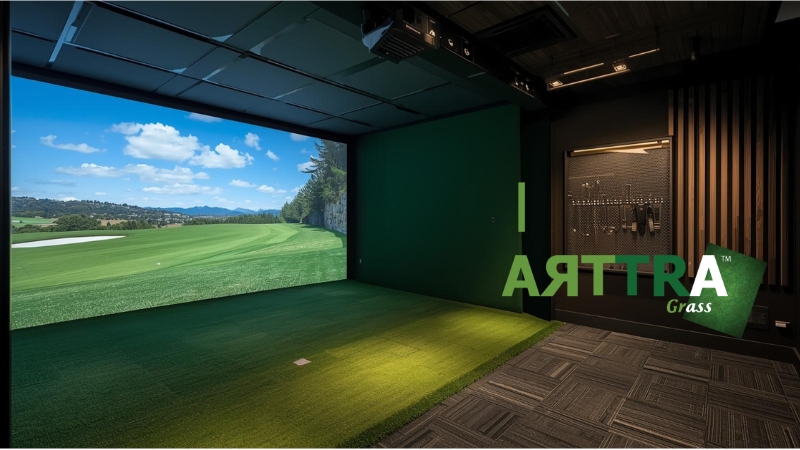
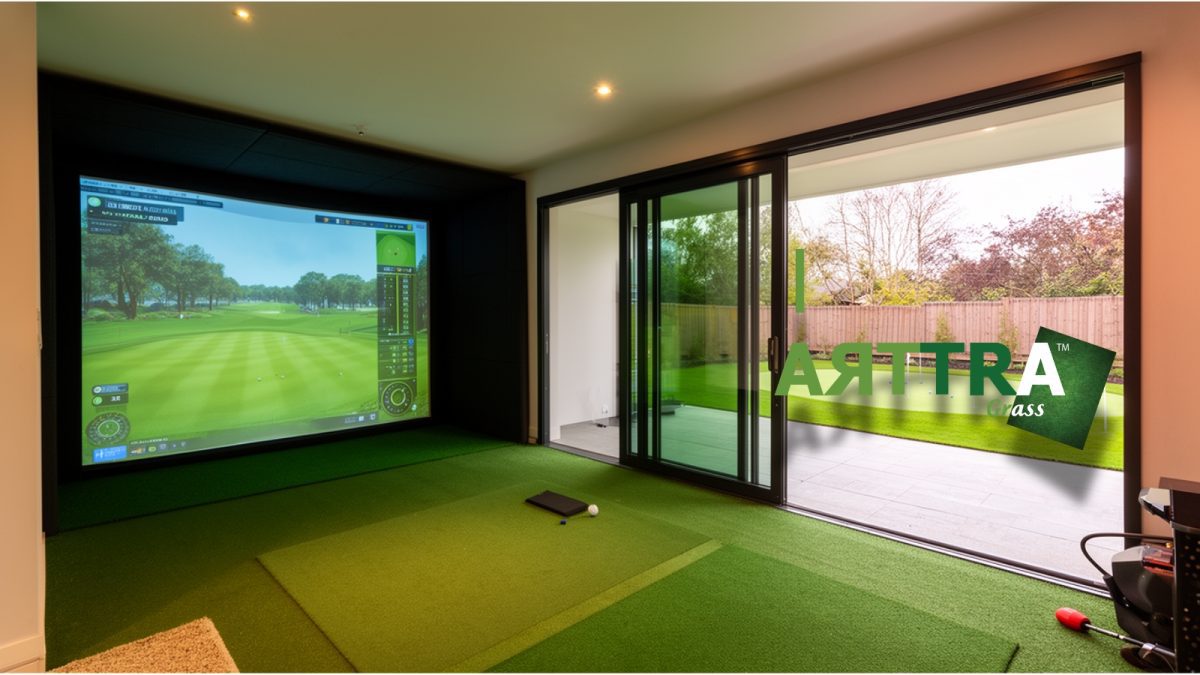
Luxury Home Golf Installations UK require more than simply fitting a simulator into an available room. They demand structural planning, acoustic control, precise swing-clearance design and seamless integration with the property’s architecture.

Whether you’re considering converting an existing space into a home golf studio or investing in a purpose-built simulation cabin, the right solution depends on performance expectations, available space and long-term property goals.

Luxury home design is no longer limited to kitchens, cinemas and swimming pools. Today, high-end UK homeowners are investing in something more personal: Private golf environments.

From championship-style backyard putting greens to fully immersive golf simulation cabins, luxury home golf installations combine performance, prestige and lifestyle.

Let us explore what defines a premium installation — and how to design one properly.

What Defines a Luxury Home Golf Installation?

Not every putting green or simulator qualifies as “luxury.”

A true luxury installation includes:

  • Professional sub-base engineering
  • Premium turf systems
  • Architectural integration
  • Bespoke structural design
  • High-spec AV and launch monitor systems
  • Integrated lighting & acoustics
  • Long-term durability

Luxury is not about adding equipment.

It’s about creating a designed golf environment.

The Three Core Luxury Install Types

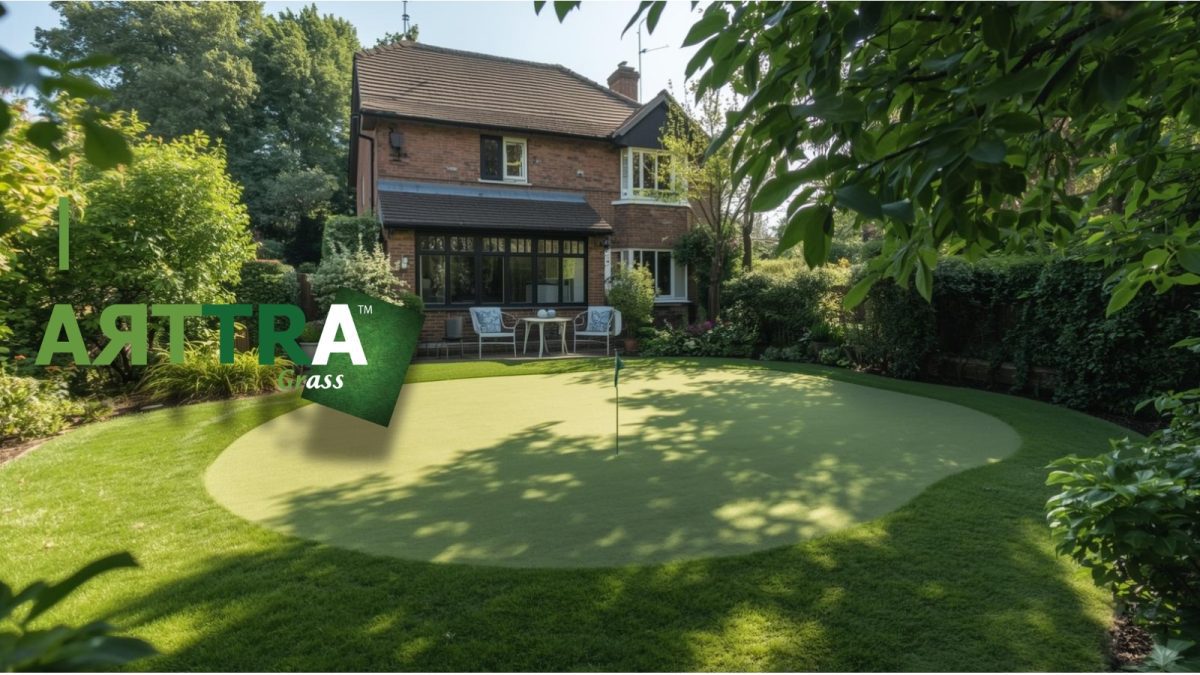
1. Bespoke Outdoor Putting Greens

High-end outdoor installations often include:

  • Complex contour shaping
  • Multiple pin positions
  • Fringe integration
  • Stone or timber edging
  • Landscape blending
  • Advanced drainage systems

Typical size range:

25m² – 60m²+

Premium installations may also incorporate:

  • Chipping areas
  • Bunker-style features
  • Elevated tiers

These projects are engineered beneath the surface — not just visually attractive.

For a full breakdown and additional information, visit our Artificial Putting Green Installation Service page.

2. Golf Simulation Cabins

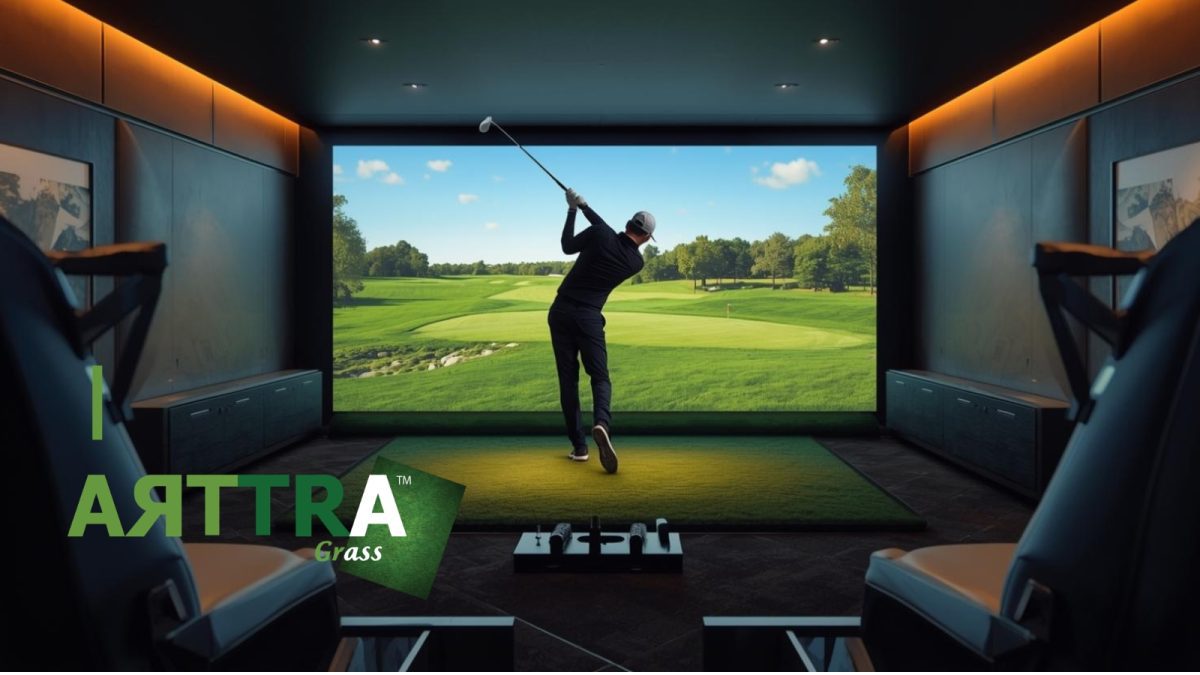
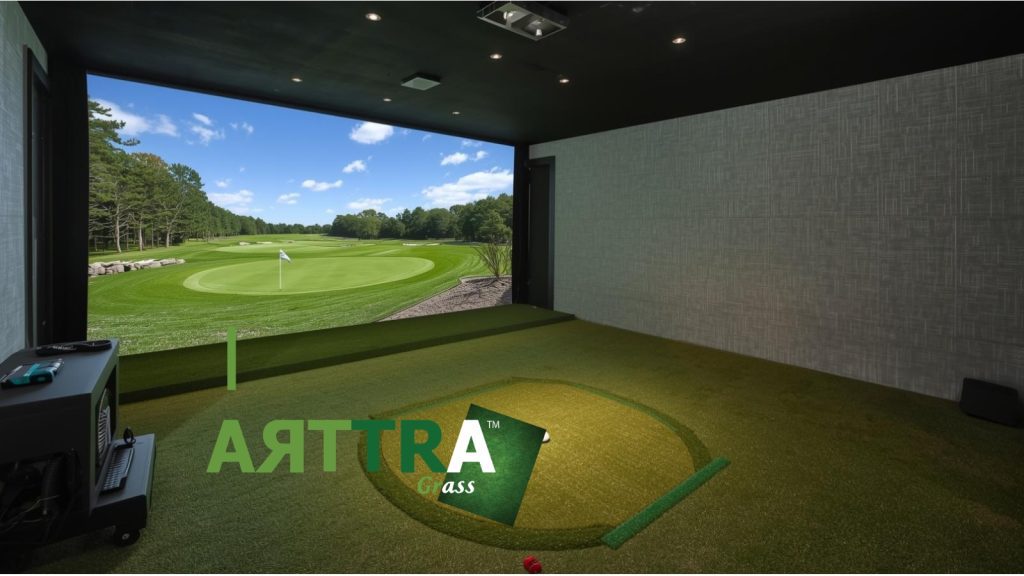
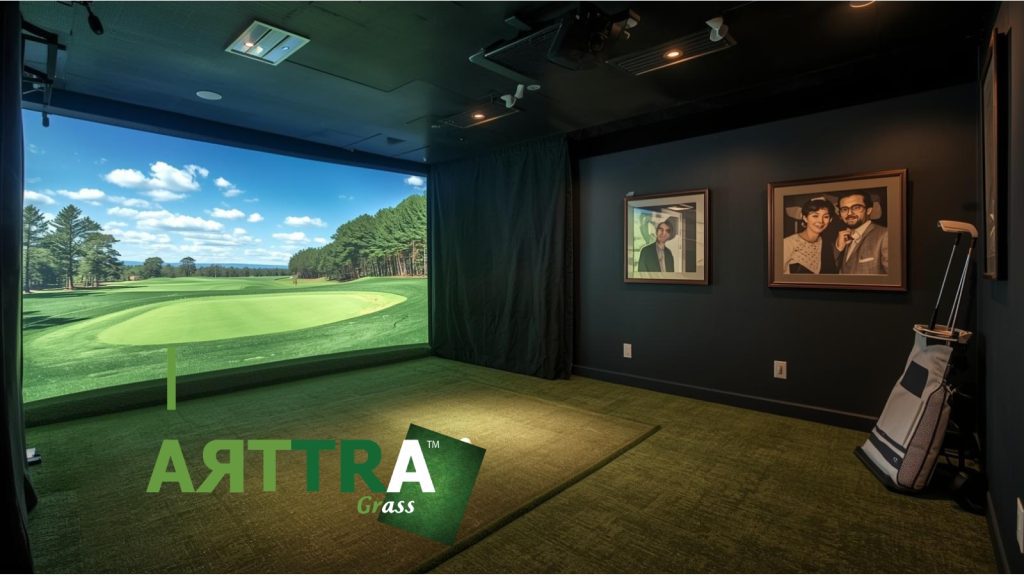
Luxury indoor golf spaces include:

  • Fully insulated garden cabins
  • Architectural garage conversions
  • Basement golf rooms
  • Integrated climate control
  • Professional enclosure systems
  • High-lumen projection
  • Acoustic wall treatment

Budget range:

£30,000 – £100,000+

These are immersive, permanent structures.

Find out more about simulators by visiting our Golf Simulation Cabin Installation UK page. Alternatively, you may visit the Garden Golf Simulator Room Cost UK page for a full breakdown of cost.

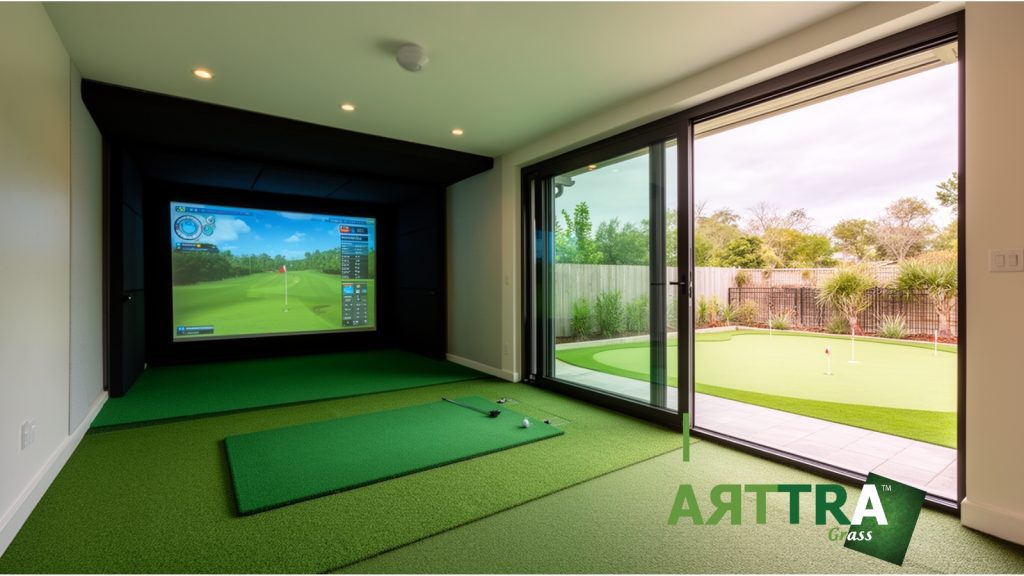
3. Integrated Indoor–Outdoor Golf Ecosystems

The most exclusive installations combine:

  • Outdoor artificial putting green
  • Indoor simulation cabin
  • Unified design language
  • Cohesive landscaping
  • Smart lighting integration

This creates a complete private golf environment.

These projects represent the highest tier of residential golf design.
Luxury Home Golf Installations UK

Why Luxury Installations Require Specialist Design

High-end golf builds demand:

  • Structural assessment
  • Soil and drainage evaluation
  • Ceiling clearance analysis
  • Swing envelope mapping
  • Equipment compatibility planning
  • Electrical load consideration
  • Acoustic modelling

Mistakes at this level are expensive.

Luxury projects require coordinated planning — not off-the-shelf kits.

Space Planning for Premium Homes

For indoor installations:

Recommended dimensions:

  • 3m+ ceiling height
  • 3m+ width
  • 5m+ depth

For outdoor greens:

  • Proportionally integrated within landscaping
  • Proper run-off and drainage design
  • Visual symmetry

Architectural balance is essential.

Cost Expectations for Luxury Home Golf Installations UK

Investment varies significantly based on complexity.

High-End Outdoor Putting Green

£12,000 – £40,000+

Premium Golf Simulation Cabin

£30,000 – £100,000+

Fully Integrated Luxury Golf Environment

£50,000 – £150,000+

Factors influencing cost:

  • Structural build
  • AV specification
  • Launch monitor selection
  • Contour complexity
  • Landscaping integration
  • Acoustic engineering

Luxury projects are custom — not templated.

Property Value & Market Positioning

In premium property markets:

  • Distinctive lifestyle features increase desirability
  • Unique recreational spaces differentiate listings
  • Golf environments signal exclusivity

While surveyors may not assign fixed uplift, these installations:

  • Enhance property perception
  • Strengthen buyer engagement
  • Support premium positioning

Luxury features are emotional drivers in high-value sales.

Who Invests in Luxury Home Golf Installations?

Typical clients include:

  • Serious amateur golfers
  • Business owners
  • High-net-worth homeowners
  • Property developers
  • Golf club members seeking private practice

These clients prioritise:

  • Quality
  • Longevity
  • Design integration
  • Performance accuracy

Launch Monitor Considerations at Luxury Level

Premium installations may incorporate:

  • Overhead tracking systems
  • Radar-based launch monitors
  • Multi-camera ball tracking

These systems provide:

  • Spin rate
  • Launch angle
  • Ball speed
  • Club path
  • Impact metrics

Technology selection influences overall build design.

Acoustic & Lighting Design

Luxury environments require:

  • Controlled lighting angles
  • Shadow minimisation
  • Ambient mood lighting
  • Acoustic wall absorption
  • Sound containment

Comfort and atmosphere matter as much as performance.

Maintenance & Longevity

Luxury outdoor greens:

  • 12–15+ year lifespan
  • Minimal upkeep
  • Engineered drainage

Luxury cabins:

  • Structural durability
  • Upgradeable technology
  • Long-term usability

High-quality installation ensures minimal future disruption.

Planning Permission & Compliance

Most internal conversions:

  • Do not require planning permission

Garden cabins may require:

Regulatory guidance should form part of the early planning stage.

The ARTTRAGrass® Approach to Luxury Installations

We deliver:

  • Turnkey design
  • Structural planning
  • Surface engineering
  • Simulator integration
  • Project management

We coordinate:

  • Builders
  • Electricians
  • AV specialists
  • Landscaping teams

Luxury projects require unified execution.

Is a Luxury Home Golf Installation Right for You?

It may be suitable if you:

  • Value premium lifestyle features
  • Play regularly
  • Entertain guests
  • Own a high-value property
  • Plan long-term home ownership

It may not be suitable if:

  • Budget is constrained
  • Space is severely limited
  • Golf is occasional hobby

Luxury installations are commitments — not experiments.

FAQs – Luxury Home Golf Installations UK

1. How much does a luxury home golf installation cost?

Typically between £30,000 and £150,000+ depending on scope.

2. Can I combine indoor and outdoor golf features?

Yes, integrated projects are common in high-end homes.

3. What ceiling height is required for a simulator?

3 metres is ideal for unrestricted swing.

4. Do luxury golf installations increase property value?

They can enhance desirability in premium markets.

5. How long does a full installation take?

4–8 weeks depending on structural complexity.

6. Are launch monitors included?

They are selected and integrated based on budget and performance goals.

7. Is soundproofing included?

Yes, acoustic treatment is essential in premium builds.

8. Do outdoor greens require much maintenance?

No, artificial systems are low maintenance.

9. Can architects be involved?

Yes, collaboration with architects is common in luxury projects.

10. Is this suitable for commercial luxury developments?

Yes, developers use golf environments to differentiate high-end properties.

GET IN TOUCH
Schedule a Visit

Categories
Commercial Residential

Home Golf Studio vs Golf Simulation Cabin: Which Is Right for You?

If you’re comparing home golf studio vs golf simulation cabin, you’re likely serious about creating a dedicated indoor golf environment.

But these two setups are not the same.

While both allow all year round golf practice, they differ significantly in:

  • Cost
  • Structure
  • Immersion
  • Property impact
  • Long-term value
  • Installation complexity

This guide breaks down the differences clearly so you can choose the right solution for your home and budget.

What Is a Home Golf Studio?

A home golf studio is typically:

  • A converted indoor space
  • Installed within an existing room
  • Equipped with a launch monitor
  • Fitted with a hitting mat and net or screen

Most home golf studios are created in:

  • Garages
  • Spare rooms
  • Basements
  • Garden rooms

They focus primarily on practice and data tracking, rather than immersive build quality.

Typical Features of a Home Golf Studio

  • Launch monitor
  • Basic impact net or screen
  • Projector (optional)
  • Hitting mat
  • Minimal structural alteration

It’s often modular and can be partially DIY.

What Is a Golf Simulation Cabin?

A golf simulation cabin is a purpose-built, structurally designed golf environment.

It may include:

  • A standalone garden cabin
  • A fully insulated converted garage
  • A bespoke structural build
  • Acoustic treatment
  • Professional enclosure systems
  • Integrated lighting and projection

It is engineered for:

  • Immersion
  • Safety
  • Aesthetics
  • Longevity
  • Property enhancement

This is not just a simulator setup — it’s a permanent installation.

Core Differences at a Glance

FeatureHome Golf StudioGolf Simulation Cabin
Build TypeConverted spacePurpose-built structure
InstallationModular / partial DIYProfessional full build
Cost£5,000 – £25,000£15,000 – £100,000+
ImmersionModerateHigh
SoundproofingLimitedIntegrated
Property ImpactMinimalPremium feature
LongevityDependent on setupLong-term installation

1. Cost Comparison

Home Golf Studio Costs

  • Entry-level setup: £5,000 – £10,000
  • Mid-range setup: £10,000 – £20,000
  • Higher-end studio: £20,000 – £25,000

These costs typically cover equipment, not structural build.

Golf Simulation Cabin Costs

  • Garage conversion cabin: £15,000 – £25,000
  • Garden cabin build: £25,000 – £60,000
  • Luxury bespoke installation: £60,000 – £100,000+

This includes structural work, insulation, professional installation and integrated systems.

Cost Verdict

Studios are cheaper.
Cabins are a premium investment.

But cost alone doesn’t determine value.

Visit the Garden Golf Simulator Room Cost UK page for a full breakdown of cost.

2. Space & Structural Requirements

Home Golf Studio

Can function in:

  • 2.5m ceiling height (tight but workable)
  • Smaller room footprints
  • Existing residential layouts

Often compromises exist on swing clearance.

Golf Simulation Cabin

Recommended minimum:

  • 2.7m – 3m ceiling height
  • 3m+ width
  • 4.5m+ depth

Built specifically around swing geometry and safety.

Structural planning ensures optimal experience.

3. Immersion & Experience

Home Golf Studio Experience

  • Functional
  • Data-driven
  • Less immersive
  • Visible room edges
  • Potential sound echo

Ideal for pure practice.

Golf Simulation Cabin Experience

  • Enclosed immersive screen
  • Controlled lighting
  • Professional acoustic treatment
  • Clean visual finish
  • Premium feel

Feels closer to a commercial indoor golf venue.

Immersion matters for enjoyment and resale appeal.

4. Sound & Acoustic Control

Ball strike noise can be significant.

Studio

  • Basic insulation
  • Potential noise leakage
  • May disturb adjacent rooms

Cabin

  • Insulated wall systems
  • Acoustic panels
  • Impact absorption
  • Reduced reverberation

If installed in residential areas, cabins offer superior noise control.

5. Safety & Durability

Studio Setup Risks

  • Net rebound risk
  • Wall impact exposure
  • Limited enclosure protection
  • Wear on domestic walls

Cabin Setup

  • Professional enclosure system
  • Designed rebound control
  • Reinforced structural surfaces
  • Safer long-term usage

This is particularly important for high ball speeds.

6. Installation Complexity

Home Golf Studio

  • Can be partially DIY
  • Modular equipment
  • Less structural modification

Lower barrier to entry.

Golf Simulation Cabin

  • Requires design planning
  • Structural assessment
  • Electrical integration
  • Lighting configuration
  • Professional installation

Higher upfront involvement, better long-term execution.

7. Property Value Impact

This is where the difference becomes significant.

Home Golf Studio

  • Seen as removable equipment
  • Limited valuation impact
  • Similar to high-end gym equipment

Golf Simulation Cabin

  • Permanent structural feature
  • Lifestyle enhancement
  • Premium property differentiator
  • Stronger appeal in high-value homes

Cabins can influence buyer perception in upper markets.

8. Who Should Choose a Home Golf Studio?

A studio may be right if you:

  • Want data tracking without major build
  • Have limited space
  • Prefer lower upfront investment
  • Value portability
  • Are testing long-term commitment

Studios are excellent for entry and mid-level golfers.

9. Who Should Choose a Golf Simulation Cabin?

A cabin is ideal if you:

  • Play regularly
  • Want immersive realism
  • Value design aesthetics
  • Own a premium property
  • Plan long-term use
  • May combine with outdoor putting green

It’s a lifestyle investment. Want to know more? Read our Golf Simulation Cabin Installation UK article.

10. Long-Term Value Perspective

Over 10+ years:

  • A studio may require equipment replacement
  • A cabin remains a structural asset
  • Equipment can be upgraded within cabin shell
  • The cabin maintains aesthetic value

Cabins offer better scalability.

Hybrid Approach: Studio Inside a Cabin

Some clients start with a basic setup inside a professionally built cabin shell.

This allows:

  • Gradual equipment upgrades
  • Structural readiness
  • Controlled environment

It’s often the most strategic long-term approach.

Final Verdict: Home Golf Studio vs Golf Simulation Cabin

Choose a Home Golf Studio if:

  • Budget is primary concern
  • You want a flexible setup
  • Immersion is secondary

Choose a Golf Simulation Cabin if:

  • You want a premium experience
  • Property impact matters
  • Long-term value is important
  • You want full integration

Both serve different purposes.

The right choice depends on ambition, budget and property context.

You may also want to learn more about our Artificial Grass Putting Green Installation service.

FAQs – Home Golf Studio vs Golf Simulation Cabin

1. Is a golf simulation cabin worth the extra cost?

For serious golfers and premium homes, yes.

2. Can I upgrade a home studio later?

Yes, but structural limitations may remain.

3. Which requires more space?

Cabins typically require more dedicated space.

4. Are cabins safer?

Yes, due to professional enclosure systems.

5. Do studios require planning permission?

Generally no.

6. Do cabins require planning permission?

Standalone cabins may require checks.

7. Which adds more property value?

Cabins typically offer stronger lifestyle appeal.

8. Can both use the same launch monitor?

Yes, equipment can be similar.

9. Is soundproofing necessary?

Highly recommended for both, especially cabins.

10. Which is better for commercial use?

Golf simulation cabins are more suitable.

GET IN TOUCH

Arrange a Quotation

Categories
Commercial Residential

Golf Simulation Cabin Installation UK – Bespoke Indoor Golf Rooms

If you’re researching golf simulation cabin installation UK, you’re likely looking for more than just a practice mat.

A professionally installed golf simulation cabin delivers:

  • All year round play
  • Tour-level analytics
  • Immersive course experiences
  • Increased property appeal
  • A premium home feature

ARTTRAGrass® designs and installs complete golf simulation cabins for residential and commercial environments across the UK.

What Is a Golf Simulation Cabin?

A golf simulation cabin is a purpose-built indoor golf room that includes:

  • Structural framework or converted space
  • Impact screen enclosure
  • Launch monitor system
  • Artificial hitting surface
  • Projector system
  • Acoustic insulation
  • Lighting integration

It transforms garages, garden rooms, outbuildings or dedicated cabins into fully immersive golf environments.

Who Is It For?

Our golf simulation cabin installation service is ideal for:

Serious Golfers

All year round practice regardless of weather.

High-Net-Worth Homeowners

Premium lifestyle addition.

Commercial Venues

Hotels, leisure centres, golf clubs.

Property Developers

Luxury property differentiation.

Why Combine a Putting Green with a Golf Simulator?

Many clients combine:

  • Outdoor artificial putting green
  • Indoor golf simulation cabin

This creates a complete home golf ecosystem:

  • Short game outside
  • Full swing analytics inside

It also increases project value and long-term usage.

Golf Sim Cabins

What’s Included in Our Golf Simulation Cabin Installation?

We offer a full turnkey solution.

1. Structural Design & Build

Options include:

  • Standalone garden cabin
  • Converted garage
  • Basement conversion
  • Modular golf room

We assess:

  • Ceiling height (minimum recommended 2.7m+)
  • Room width
  • Swing clearance
  • Ventilation
  • Soundproofing

Structural integrity is critical.

2. Impact Screen & Enclosure System

High-quality enclosure systems:

  • Absorb ball impact safely
  • Prevent rebound
  • Protect walls and ceiling
  • Create immersive projection environment

Proper installation reduces noise and improves longevity.

3. Launch Monitor Integration

We integrate leading launch monitor systems including:

  • Overhead tracking units
  • Radar-based systems
  • Camera-based tracking

These provide data such as:

  • Ball speed
  • Launch angle
  • Spin rate
  • Club path
  • Carry distance

System choice depends on budget and performance goals.

4. Artificial Hitting Surface

We install professional-grade hitting surfaces designed for:

  • Shock absorption
  • Realistic turf feel
  • Long-term durability
  • Injury prevention

Surface quality directly impacts comfort and realism.

5. Projection & Visual System

Components include:

  • High-lumen projectors
  • HD impact screens
  • Integrated lighting

Correct positioning eliminates shadows and distortion.

6. Acoustic & Soundproofing

Essential for residential environments.

We incorporate:

  • Acoustic panelling
  • Insulated wall construction
  • Impact noise reduction
  • Optional door sealing systems

Reduces disturbance to neighbouring rooms.

How Much Does Golf Simulation Cabin Installation Cost in the UK?

Costs vary significantly depending on:

  • Cabin size
  • Structural work
  • Launch monitor type
  • AV equipment
  • Finishing specification

Typical ranges:

Basic Garage Conversion: £15,000 – £25,000
Premium Garden Cabin Build: £25,000 – £60,000+
Luxury Fully Bespoke Installation: £60,000 – £100,000+

Launch monitors alone can range from £5,000 – £20,000+.

Investment depends on specification level.

Space Requirements

Minimum recommended dimensions:

  • Height: 2.7m – 3m
  • Width: 3m+
  • Depth: 4.5m+

Higher ceilings allow unrestricted swing motion.

Space planning is critical before purchase.

See a full breakdown in our Garden Golf Simulator Room Cost UK page.

Benefits of a Golf Simulation Cabin

All Year Round Practice

No weather restrictions.

Performance Tracking

Data-driven improvement.

Course Play Access

Play global courses virtually.

Property Prestige

High-end feature in premium homes.

Commercial Revenue Potential

Clubs and venues can monetise usage.

Planning & Compliance

Most installations within existing structures do not require planning permission.

Standalone garden cabins may require:

We advise clients on regulatory considerations during consultation.

Golf Simulators ARTTRAGrass

Why Choose ARTTRAGrass®?

We combine:

  • Outdoor artificial putting green expertise
  • Professional surface installation
  • Structural integration knowledge
  • Turnkey project management

We don’t just supply equipment — we design complete golf environments.

For a full explanation, visit our Artificial Grass Putting Green Installation page.

Frequently Asked Questions – Golf Simulation Cabin Installation UK

1. How much space do I need for a golf simulator room?

Minimum recommended dimensions are around 3m width, 4.5m depth and 2.7m height.

2. Can I convert my garage into a simulator?

Yes, many installations are completed in garages.

3. Do I need planning permission?

Usually not for internal conversions, but garden cabins may require checks.

4. How much does a golf simulation cabin cost?

Costs range from £15,000 to £100,000+ depending on specification.

5. What ceiling height is required?

At least 2.7m is recommended for unrestricted swing.

6. Is soundproofing necessary?

Yes, especially in residential properties.

7. Can I combine it with an outdoor putting green?

Yes, many clients install both.

8. What launch monitor is best?

It depends on budget and performance needs.

9. How long does installation take?

Most projects take 2–6 weeks depending on complexity.

10. Does it add property value?

Premium installations can enhance property appeal and desirability.

GET IN TOUCH

Arrange a Quotation

Categories
Back Garden

Backyard Artificial Putting Green UK – The Complete Homeowner Guide

If you’re researching a backyard artificial putting green UK, you’re likely asking:

  • How much does it cost?
  • Will it fit my garden?
  • Is it better than natural turf?
  • Can I install it myself?
  • Will it add property value?

This guide covers everything UK homeowners need to know before installing a residential artificial putting green.

Why Artificial Putting Greens Are Growing in the UK

In recent years, demand for backyard putting greens has increased due to:

  • Home improvement trends
  • Rise in garden leisure spaces
  • Desire for all year round practice
  • Low-maintenance landscaping solutions

Unlike natural greens, artificial systems are engineered for:

  • Consistent ball roll
  • Drainage performance
  • Minimal upkeep
  • Long-term durability

How Much Does a Backyard Artificial Putting Green Cost in the UK?

Costs vary depending on:

  • Garden size
  • Design complexity
  • Ground preparation
  • Turf quality
  • Edge detailing

Most residential installations range:

£3,000 – £12,000+

For a full breakdown of budget ranges, see our detailed guide on artificial putting green cost UK.

Understanding investment early prevents costly surprises later.

Backyard Putting Green Design Ideas

Design determines performance and visual impact.

Popular residential layouts include:

  • Compact corner greens
  • Kidney-shaped feature greens
  • Multi-tiered practice zones
  • Patio-integrated designs
  • Premium showcase greens

For inspiration and layout guidance, explore our full guide to
backyard putting green design ideas.

Smart design often matters more than overall size.

DIY vs Professional Installation: What’s Best?

Some homeowners consider self-installation to reduce cost.

However, installing a high-performing green requires:

  • Excavation precision
  • Sub-base engineering
  • Compaction control
  • Contour shaping
  • Drainage planning

Mistakes can lead to:

  • Uneven roll
  • Poor drainage
  • Surface sinking
  • Premature failure

Before deciding, read our full comparison: DIY vs professional putting green installation.

Professional installation typically ensures performance consistency and longevity.

Choosing the Best Artificial Grass for Putting Greens

Not all artificial grass is designed for putting.

Important factors include:

  • Pile height
  • Stitch density
  • Backing strength
  • Ball roll calibration
  • Infill compatibility

Using lawn-grade turf will not replicate realistic speed.

Learn how to select the right surface in our guide to the best artificial grass for putting greens.

Material selection affects both realism and durability.

Maintenance: What’s Required?

One of the biggest advantages of artificial systems is low maintenance.

Typical upkeep includes:

  • Occasional brushing
  • Debris removal
  • Light cleaning
  • Infill top-up (if required)

No mowing.
No watering.
No fertiliser.

For full maintenance advice, request a copy of how to maintain an artificial putting green.

Minimal upkeep is a major advantage in the UK climate.

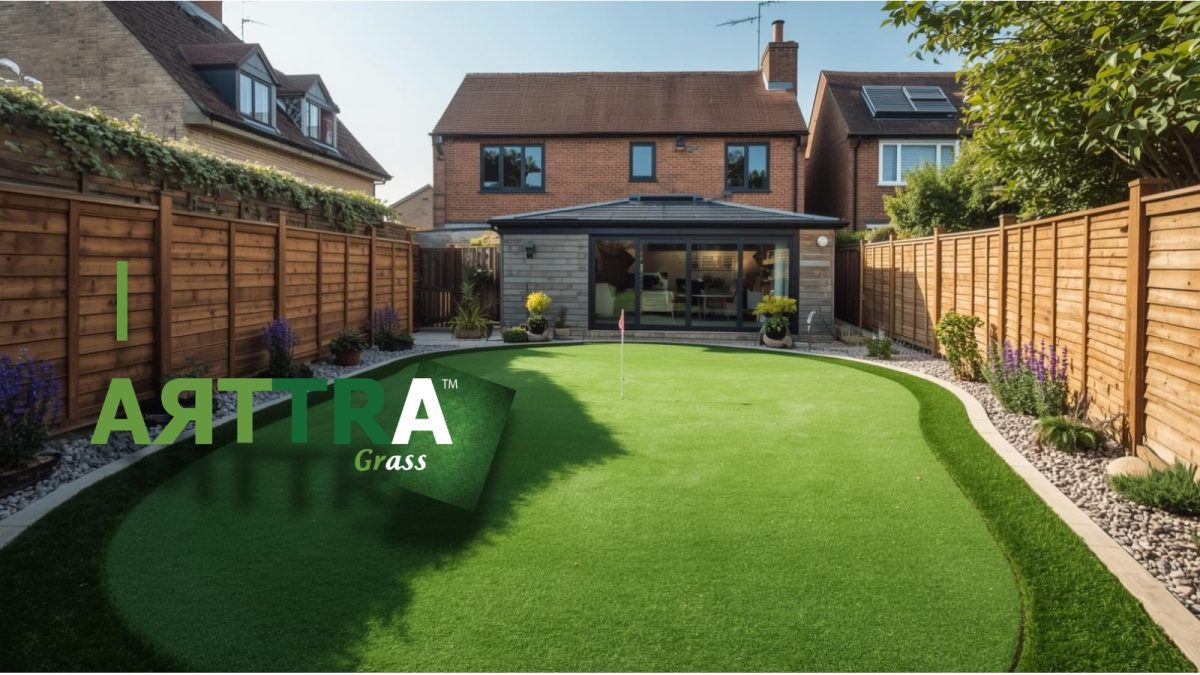
Backyard Artificial Putting Green UK
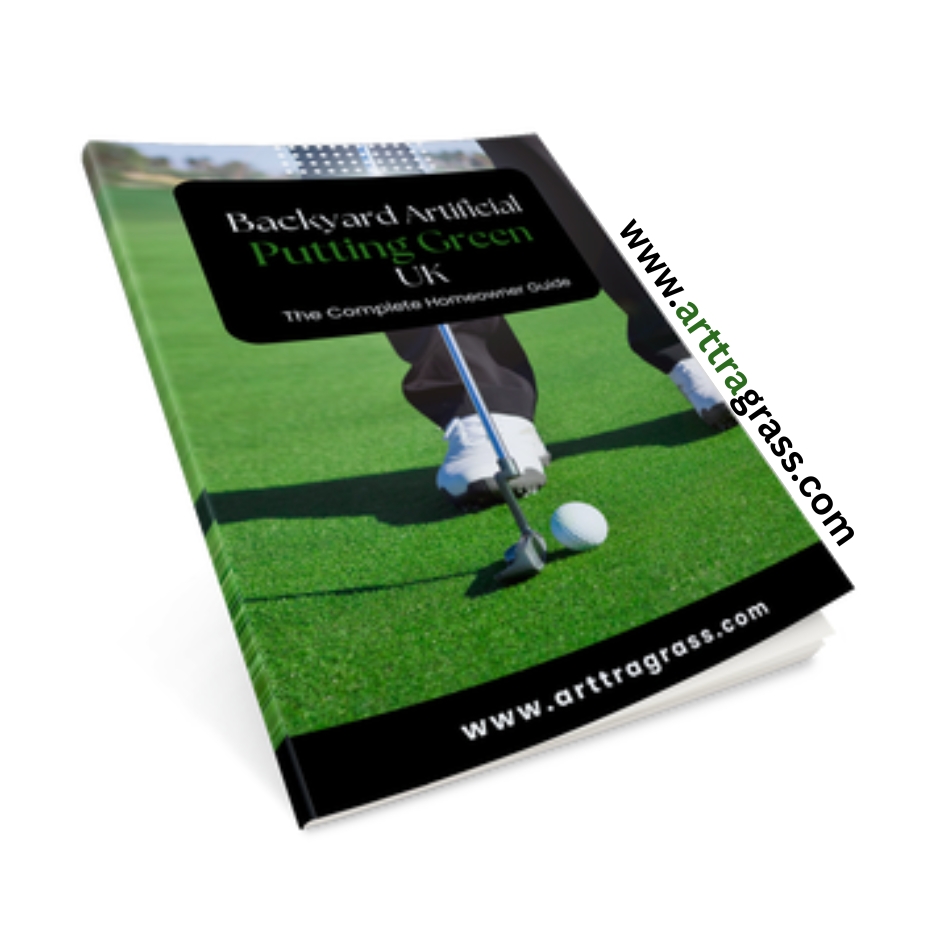
Backyard Artificial Grass Putting Green Homeowner’s Guide | Request A Copy

Artificial vs Natural Putting Greens

Natural greens require:

  • Irrigation
  • Fertilising
  • Aeration
  • Disease control
  • Ongoing professional care

Artificial systems provide:

  • Consistent speed
  • All year round usability
  • Controlled drainage
  • Reduced maintenance costs

Compare both options in depth here: artificial vs natural putting greens.

For most UK homeowners, artificial is the more practical long-term solution.

Does a Backyard Putting Green Increase Property Value?

Many homeowners ask whether installation is financially sensible.

While surveyors may not assign direct value uplift, a professionally designed green can:

  • Increase buyer appeal
  • Differentiate listings
  • Support premium positioning
  • Improve lifestyle perception

Explore resale implications here: does a putting green increase property value?

Lifestyle enhancement often drives perceived value.

What Size Backyard Putting Green Is Right for You?

Garden SizeRecommended Green Size
Small10–20m²
Medium20–35m²
Large35–60m²+

Proportion matters more than area. Contour engineering influences performance more than square footage.

How Long Does Installation Take?

Most residential installations take:

2–5 days

Depending on:

  • Ground conditions
  • Design complexity
  • Weather
  • Access

How Long Do Artificial Putting Greens Last?

With proper installation:

  • 12–15+ years residential lifespan
  • Longer with moderate use
  • Backing and sub-base determine durability

Longevity depends heavily on installation quality.

Is a Backyard Artificial Putting Green Right for You?

It’s ideal if you:

  • Play golf regularly
  • Want consistent practice
  • Prefer low garden maintenance
  • Enjoy outdoor entertaining
  • Value unique garden features

It may not be suitable if:

  • Garden space is extremely limited
  • You prefer traditional lawn aesthetics
  • Budget constraints are tight

FAQs – Backyard Artificial Putting Green UK

1. How much space do I need?

Even 10–15m² can work effectively.

2. Is planning permission required?

Typically no for residential gardens, but always check local regulations.

3. Can it be installed on uneven ground?

Yes, with professional excavation and base preparation.

4. Does artificial turf look realistic?

Modern putting turf is highly realistic when installed correctly.

5. Will it drain during heavy rain?

Yes, if installed over a permeable sub-base.

6. Is it safe for children?

Yes, when professionally installed.

7. Can it include fringe grass?

Yes, fringe can be integrated for realism.

8. Does it fade over time?

Quality turf includes UV stabilisation.

9. Is it suitable for winter use?

Yes, artificial greens remain usable all year round.

10. What impacts cost the most?

Size, contours, ground preparation and turf selection.

GET IN TOUCH

Arrange a Quotation

Categories
Back Garden

10 Backyard Putting Green Design Ideas (UK Homeowner Guide)

If you’re searching for backyard putting green design ideas, you’re likely imagining more than just a flat strip of turf.

A well-designed artificial putting green should:

  • Fit your garden proportions
  • Complement landscaping
  • Drain effectively
  • Provide realistic practice conditions
  • Increase lifestyle appeal

This guide explores data-informed layouts, sizing insights and creative design approaches for UK gardens.

Why Design Matters More Than Size

Many homeowners assume bigger = better.

But in residential projects across the UK, most high-performing backyard putting greens range between:

15m² – 40m²

What matters more than size:

  • Contour complexity
  • Hole placement strategy
  • Fringe integration
  • Visual framing
  • Drainage engineering

Smart design creates challenge — not just square footage.

1. Compact Corner Green (10–20m²)

Ideal for:

  • Small gardens
  • New-build homes
  • Patio-adjacent spaces

Design Features:

  • 2–3 hole placements
  • Gentle breaks
  • Minimal excavation footprint

This is one of the most popular UK installations due to space efficiency.

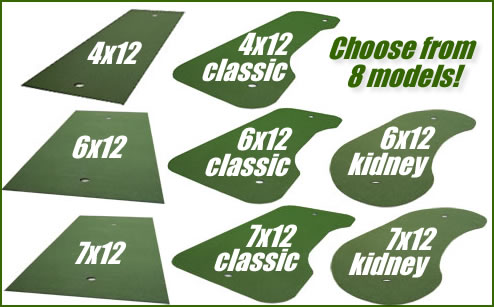
2. Kidney-Shaped Feature Green

Organic shapes blend better into landscaping.

Benefits:

  • Soft visual flow
  • Natural-looking contours
  • Allows multiple pin positions

This design works well alongside artificial lawns.

Putting Greens Shapes

3. Multi-Level Practice Green

For serious golfers.

Includes:

  • Elevated tiers
  • Subtle slopes
  • Varied stimp calibration

Creates realistic practice challenges without needing large area.

4. Island Green Effect

Inspired by championship courses.

Design Elements:

  • Framed by decorative stone
  • Artificial fringe surround
  • Strategic drainage base

Visually striking centrepiece for premium gardens.

5. Integrated Patio Edge Green

Blends directly into paving.

Benefits:

  • Clean finish
  • Easy access
  • Social entertaining appeal

Works especially well in modern garden designs.

6. Garden Flow Green (Full Landscape Integration)

Combines:

  • Artificial lawn
  • Putting surface
  • Seating zones
  • Pathways

This approach increases perceived garden size and usability.

7. Narrow Run Practice Strip

Designed for:

  • Distance control
  • Alignment training
  • Small gardens

A 1.2–1.5m wide strip can dramatically improve short-game practice.

8. Contour-Focused Challenge Green

Designed around slope variation rather than size.

Key Features:

  • Subtle breaks
  • Ridge integration
  • Multiple pin positions

Performance is engineered beneath the surface through sub-base shaping.

9. Family-Friendly Fun Green

Includes:

  • Wider cups
  • Gentle breaks
  • Safe edges

Perfect for households wanting entertainment value as well as practice.

10. Premium Showcase Green (40m²+)

Best suited for:

  • Larger properties
  • Golf enthusiasts
  • Luxury landscaping projects

Can include:

  • Bunker effects
  • Fringe rough
  • Advanced contour mapping

These installations create standout visual impact.

Find out more by visiting our Artificial Grass Putting Green Installation page.

Size Guide: What Works in UK Gardens?

Garden SizeRecommended Green Size
Small (Under 60m²)10–20m²
Medium (60–120m²)20–35m²
Large (120m²+)35–60m²+

Proportion matters more than total area.

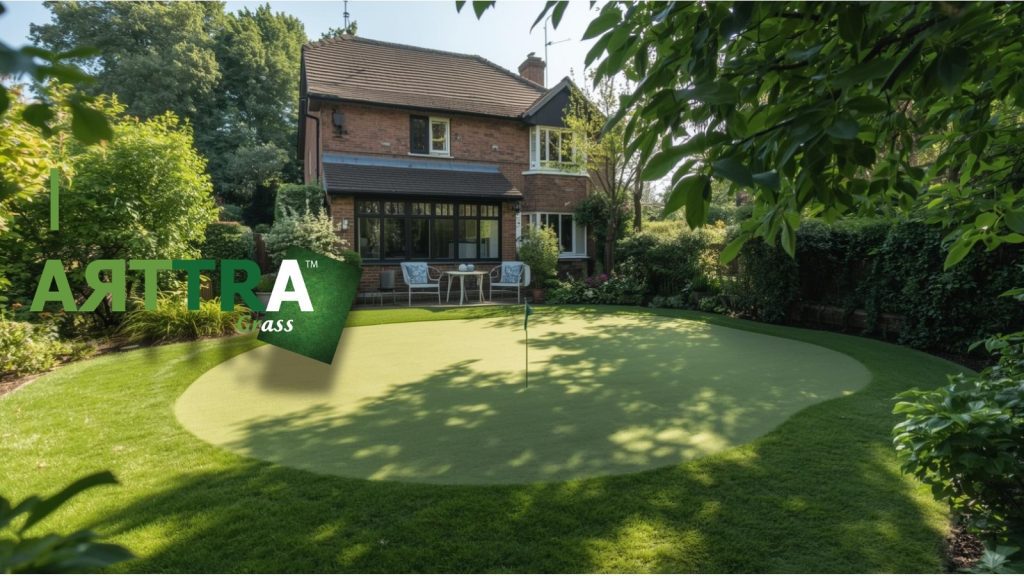
Backyard Golf Green

Contours: The Hidden Performance Factor

A putting green without contour is just turf.

Professional installations shape the sub-base to:

  • Influence ball break
  • Improve drainage
  • Prevent pooling
  • Maintain consistent roll

Ground engineering determines performance.

Drainage: Essential in UK Climate

UK rainfall demands:

  • Permeable sub-base layers
  • Compacted aggregates
  • Proper edge restraint
  • Controlled runoff

Aesthetics matter — but drainage ensures longevity.

Fringe & Surround Ideas

Adding fringe improves realism.

Options include:

  • Artificial fringe collar
  • Stone edging
  • Timber sleepers
  • Integrated lawn transition

Framing elevates the visual finish.

Design Mistakes to Avoid

  • Oversizing small gardens
  • Ignoring drainage slope
  • Flat installation (no challenge)
  • Cheap turf selection
  • Poor edge finishing

Design errors reduce both enjoyment and resale appeal.

How Design Impacts Cost

Design complexity affects:

  • Excavation depth
  • Base shaping
  • Material usage
  • Labour time

More contours = more groundwork.

That’s why understanding layout early helps budget planning.

Learn more about artificial putting green cost in the UK.

Does Design Affect Property Appeal?

Yes.

Tastefully integrated backyard putting greens can:

  • Improve visual interest
  • Enhance lifestyle perception
  • Differentiate property listings

Poorly designed greens can do the opposite. Integration is everything.

It can actually increase the value of your property. Does a putting green increase property value in the UK?

FAQs – Backyard Putting Green Design Ideas

1. What size backyard putting green is ideal?

Most UK residential greens range from 15–40m².

2. Can small gardens accommodate a putting green?

Yes, compact designs work well in smaller spaces.

3. Do contours make a big difference?

Yes, they dramatically improve realism and challenge.

4. Is drainage important in the UK?

Absolutely, due to regular rainfall.

5. How many holes should a backyard green have?

2–5 holes is typical for residential installations.

6. Can a putting green be integrated into landscaping?

Yes, integration improves both function and aesthetics.

7. Are bunkers recommended?

Only for larger gardens; they increase complexity and cost.

8. Does shape matter?

Organic shapes often blend better into gardens.

9. Can it be installed on a slope?

Yes, but proper base engineering is essential.

10. Should I prioritise size or contour?

Contour and design quality are more important than size.

GET IN TOUCH

Schedule a Visit

Categories
Back Garden Commercial Residential

Artificial vs Natural Putting Greens: Which Is Better in the UK?

If you’re comparing artificial vs natural putting greens, you’re likely deciding between tradition and practicality.

Natural greens offer authenticity and heritage.
Artificial greens offer consistency, durability and year-round usability.

But which is actually better for UK homes, golf clubs or commercial spaces?

Let’s break it down properly — cost, performance, maintenance and long-term value.

1. Installation Cost Comparison

Natural Putting Green Installation

Natural greens require:

  • Soil preparation
  • Drainage installation
  • Irrigation systems
  • Specialist turf selection
  • Professional landscaping

Typical installation costs can exceed:

£10,000–£25,000+

This does not include long-term maintenance.

Artificial Putting Green Installation

Artificial systems require:

  • Excavation
  • Sub-base engineering
  • Drainage layers
  • Specialist putting turf

Residential installations typically range:

£3,000–£12,000+

No irrigation system required.

Cost Verdict

Artificial putting greens generally cost less upfront and significantly less long-term.

See a breakdown in our artificial grass putting green cost guide.

2. Maintenance Requirements

Natural Greens

Require:

  • Regular mowing
  • Irrigation
  • Fertilising
  • Aeration
  • Pest control
  • Disease treatment
  • Reseeding

Maintaining professional speed requires skilled grounds keeping.

Artificial Greens

Require:

  • Occasional brushing
  • Debris removal
  • Minor infill top-ups

No mowing.
No watering.
No fertiliser.

Maintenance Verdict

Artificial putting greens are dramatically lower maintenance — especially in the UK climate.

3. All Year Round Usability in the UK

Natural Greens

Affected by:

  • Heavy rainfall
  • Frost
  • Mud
  • Drought
  • Compaction

Surface speed fluctuates with weather conditions.

Artificial Greens

  • Drain rapidly
  • Maintain consistent roll
  • Perform in wet conditions
  • Remain usable all year round

Consistency is the major advantage.

Performance & Ball Roll

Natural Greens

Offer:

  • Authentic organic feel
  • Variable speed
  • Break influenced by grass growth

Performance changes with moisture levels.

Artificial Greens

Provide:

  • Controlled speed
  • Predictable roll
  • Calibrated performance
  • Consistent pace

Well-installed artificial greens can replicate 8–12 Stimp speeds.

Performance Verdict

Natural greens feel traditional.
Artificial greens feel consistent.

For practice reliability, artificial often wins.

5. Drainage & Ground Stability

UK soil — especially clay-heavy areas — presents challenges.

Natural Greens

Require complex drainage systems.
Waterlogging can damage turf.

Artificial Greens

Installed over engineered sub-base systems that:

  • Encourage rapid water dispersion
  • Prevent pooling
  • Protect structural integrity

Drainage reliability favours artificial systems.

6. Longevity

Natural Greens

  • Prone to wear
  • Patchiness over time
  • Require renovation

Artificial Greens

  • 12–15+ year lifespan residential
  • 8–12 years commercial
  • Minimal degradation

Artificial systems maintain aesthetic consistency far longer.

7. Environmental Considerations

Natural Greens

High water consumption.
Fertiliser runoff risk.
Chemical treatments.

Artificial Greens

No irrigation required.
No fertiliser.
Reduced chemical use.

While artificial turf is synthetic, water savings and chemical reduction are significant advantages.

8. Aesthetic Appeal

Natural

Authentic look.
Seasonal variation.

Artificial

Consistent green appearance.
No brown patches.
No seasonal die-back.

For high-end properties or commercial spaces, visual reliability matters.

Artificial vs Natural Putting Greens: Side-by-Side Summary

FactorNaturalArtificial
Installation CostHighModerate
MaintenanceIntensiveMinimal
Water UseHighNone
Weather ResistanceVariableConsistent
LongevityModerateLong-term
Year-Round PlayLimitedYes
Speed ConsistencyVariableControlled

Which Should You Choose?

Choose Natural If:

  • You prioritise traditional feel
  • You have irrigation capability
  • You accept high maintenance

Choose Artificial If:

  • You want consistent performance
  • You prefer low maintenance
  • You want predictable costs
  • You want all year round usability

For most UK homeowners and commercial venues, artificial putting greens offer stronger long-term value.

Learn more by visiting our Artificial Putting Green Installation Service page.

FAQs – Artificial vs Natural Putting Greens

1. Are artificial putting greens realistic?

Yes, modern turf systems replicate realistic speed and ball roll.

2. Do natural greens perform better?

They offer traditional feel but are less consistent in changing weather.

3. Which lasts longer?

Artificial putting greens typically last longer with minimal upkeep.

4. Are artificial greens cheaper long-term?

Yes, maintenance and water savings reduce lifetime costs.

5. Do artificial greens drain well?

Yes, when professionally installed.

6. Is maintenance expensive for natural greens?

Yes, regular mowing, fertilising and irrigation add ongoing costs.

7. Can artificial greens look authentic?

Yes, especially when designed with fringe and contouring.

8. Are natural greens environmentally friendly?

They require significant water and chemical use.

9. Can artificial greens increase property appeal?

Yes, particularly for golf enthusiasts.

10. Which is better for commercial venues?

Artificial greens are typically more practical for commercial settings.

GET IN TOUCH

Arrange a Quotation

Categories
Back Garden Residential

Best Artificial Grass for Putting Greens (UK Expert Guide)

Choosing the best artificial grass for putting greens is one of the most important decisions in any installation. The wrong turf will result in inconsistent ball roll, unrealistic speed and long-term performance issues.

Unlike standard artificial lawn products, putting green turf is engineered for precision, pace control and durability. In this guide, we explain exactly what separates professional-grade putting grass from decorative alternatives.

Why Not All Artificial Grass Is Suitable for Putting Greens

Many homeowners assume any short-pile artificial grass can function as a putting surface. It cannot.

Putting greens require:

  • Controlled ball roll
  • Minimal fibre resistance
  • Even surface tension
  • Stable backing
  • Compatible infill

Decorative garden grass is designed for aesthetics. Putting turf is designed for performance.

Key Features of the Best Artificial Grass for Putting Greens

1. Pile Height

Ideal putting green pile height is typically:

10mm–15mm

Too long:

  • Slows ball speed
  • Causes drag

Too short:

  • Reduces cushioning
  • Feels unnatural

Professional-grade putting turf is calibrated for consistent pace.

2. Fibre Density

Density determines:

  • Ball tracking stability
  • Surface consistency
  • Longevity

High-density fibres prevent the ball from wobbling or deviating during roll.

Low-density turf often causes unpredictable breaks.

3. Yarn Type & Structure

The best artificial putting turf uses:

  • Texturised nylon or polypropylene
  • Curled or fibrillated fibres
  • Reinforced backing systems

These materials maintain structure under repeated foot traffic and practice sessions.

4. Backing Strength

Strong backing prevents:

  • Stretching
  • Rippling
  • Movement over time

Professional turf uses latex or polyurethane-backed systems designed for stability.

5. Infill Compatibility

Infill affects:

  • Ball speed
  • Surface firmness
  • Shock absorption

Common infills:

  • Kiln-dried silica sand
  • Specialist performance infill blends

Incorrect infill selection compromises speed and realism.

ARTTRAGrass Putting Green UK

What Speed Should a Putting Green Be?

Putting green speed is often compared using the Stimpmeter scale.

Residential greens typically aim for:

  • 8–10 Stimp (realistic practice speed)

Advanced golfers may prefer:

  • 10–12 Stimp

Professional installers adjust:

  • Base firmness
  • Infill levels
  • Fibre brushing direction

DIY installations rarely achieve controlled speed calibration.

Fringe vs Putting Surface: Why It Matters

The best artificial grass for putting greens often includes:

  • Short-pile putting surface
  • Slightly longer fringe grass
  • Defined chipping zones

This creates:

  • Visual contrast
  • Functional realism
  • Professional aesthetics

Using one turf type throughout reduces authenticity.

Drainage Performance in the UK Climate

In the UK, drainage is critical.

High-quality putting turf must:

  • Allow rapid water permeability
  • Prevent pooling
  • Maintain structural integrity in heavy rain

Poor drainage leads to:

  • Surface movement
  • Base failure
  • Inconsistent ball roll

The turf and sub-base must work together.

Nylon vs Polypropylene for Putting Greens

Nylon

✔ Stronger
✔ More durable
✔ Better heat resistance
✔ Premium performance

Higher cost but longer lifespan.

Polypropylene

✔ More affordable
✔ Adequate for light residential use
✖ Slightly less durable

Commercial installations typically favour nylon-based systems.

How Long Does Premium Putting Turf Last?

With professional installation:

  • 12–15+ years residential
  • 8–12 years commercial

Longevity depends on:

  • Base preparation
  • Usage levels
  • Maintenance

Cheap turf may degrade within 3–5 years.

Common Mistakes When Choosing Putting Turf

  • Selecting decorative lawn grass
  • Ignoring fibre density
  • Choosing based on price alone
  • Overlooking drainage capability
  • Installing without proper base engineering

Performance always comes down to specification.

Why Professional Selection Matters

The best artificial grass for putting greens is not just about the product — it’s about matching turf specification to:

  • Ground conditions
  • Desired speed
  • Usage frequency
  • Design complexity

Professional installers assess:

  • Soil composition
  • Drainage risk
  • Sun exposure
  • Sub-base depth

This ensures performance is engineered, not guessed. To learn more, visit our Artificial Putting Green Installation Service page.

The Bottom Line

If your goal is:

✔ Realistic ball roll
✔ Controlled speed
✔ Long-term durability
✔ Professional finish

The best artificial grass for putting greens is a specialist performance turf — professionally selected and installed.

Choosing the right product at the beginning prevents costly corrections later. Find out the cost to install putting greens professionally below.

FAQs – Best Artificial Grass for Putting Greens

1. What pile height is best for putting greens?

Typically 10–15mm for optimal speed and control.

2. Can I use normal artificial lawn grass?

No, decorative turf does not provide consistent ball roll.

3. What fibre type is best?

Nylon is generally preferred for durability and performance.

4. How fast can artificial putting greens be?

They can be calibrated to 8–12 on the Stimpmeter scale.

5. Does infill affect ball speed?

Yes, infill significantly impacts pace and surface firmness.

6. How long does putting turf last?

Premium turf lasts 12–15+ years with proper installation.

7. Is nylon better than polypropylene?

Nylon offers superior durability and heat resistance.

8. Can artificial putting greens drain well?

Yes, when installed with correct sub-base preparation.

9. Does density matter?

Yes, higher density ensures consistent ball roll.

10. Is professional installation necessary?

For performance and longevity, professional installation is highly recommended.

GET IN TOUCH

Schedule a Visit

Categories
Back Garden Commercial Residential

How Much Does an Artificial Putting Green Cost in the UK?

If you’re researching artificial putting green cost UK, you’re likely serious about installation. Whether for a luxury garden upgrade, commercial venue or integrated golf simulation cabin, understanding the real costs — and what influences them — is essential.

In this guide, we break down realistic UK price ranges, cost per m², what impacts installation pricing, and how to avoid expensive mistakes.

Average Artificial Putting Green Cost in the UK (2026)

Prices vary depending on size, groundwork and design complexity.

Typical Residential Garden Putting Green:

  • Small (15–25m²): £3,000 – £6,000
  • Medium (30–50m²): £6,000 – £12,000
  • Large Bespoke Greens: £12,000 – £25,000+

Commercial Installations:

  • £150 – £250 per m² (depending on specification)

These figures include professional excavation, sub-base installation and premium putting turf.

Artificial Putting Green Cost Per m² UK

A professional installation typically ranges between:

£120 – £250 per m²

Lower-end pricing usually excludes:

  • Advanced contouring
  • Bunkers
  • Reinforced edging
  • Drainage upgrades
  • Premium speed-rated turf

Be cautious of unusually low quotes — the base preparation is where performance is won or lost.

What Affects the Cost of Installation?

Ground Preparation

If your soil is:

  • Clay heavy
  • Uneven
  • Sloped
  • Poor draining

Costs will increase due to additional excavation and sub-base work.

Size of the Green

Larger greens reduce per m² cost but increase total spend.

Design Complexity

  • Multiple hole positions
  • Contours & undulations
  • Fringe cuts
  • Bunkers
  • Integrated chipping areas

The more realistic the design, the higher the cost.

Turf Quality & Speed Rating

Professional-grade putting turf costs more than decorative artificial grass.

True ball roll requires:

  • Dense pile structure
  • Specialist backing
  • Correct infill

Drainage & Sub-Base Depth

Professional installations use:

  • MOT Type 1 aggregate
  • Compacted layers
  • Granite dust blinding

This ensures:

  • No sinking
  • No movement
  • No waterlogging

Skipping this step reduces cost — but destroys longevity.

Why Cheap Putting Greens Fail

Many DIY or low-cost installations fail due to:

  • Insufficient excavation
  • Poor compaction
  • Incorrect turf choice
  • No contour shaping
  • Weak edging restraint

The result?

  • Inconsistent ball roll
  • Surface dips
  • Drainage problems
  • Premature replacement

A professional artificial grass putting green installation should last 15+ years.

Is an Artificial Putting Green Worth the Investment?

When evaluating artificial putting green cost UK, consider:

  • 365-day usability
  • Zero mowing costs
  • No irrigation
  • No fertiliser
  • No reseeding
  • Increased property appeal
  • All-year-round practice access

For serious golfers, the short-game improvement alone justifies the cost.

For commercial venues, it increases:

  • Dwell time
  • Customer engagement
  • Revenue potential

Cost of Integrating a Golf Simulation Cabin

If combining with a golf simulation cabin:

  • Simulator cabins start from £15,000+
  • Integrated putting zones increase realism
  • Complete installations can exceed £30,000

However, this creates a full golf training facility at home or commercially.

Golf Simulation Cabin UK

Why Professional Installation Saves Money Long-Term

While DIY kits may appear cheaper upfront, they often lead to:

  • Reinstallation costs
  • Turf replacement
  • Drainage corrections
  • Surface levelling repairs

Professional installation protects your investment.

GET IN TOUCH

Request a Detailed Cost Breakdown

Artificial Putting Green Cost London

When researching artificial putting green cost London, pricing can vary slightly due to access restrictions, congestion, parking logistics and waste removal requirements.

In Greater London, typical installation costs range from:

  • £150 – £260 per m²
  • Small garden greens from £4,000+

Urban installations often require:

  • Manual excavation in restricted access properties
  • Careful sub-base transport
  • Precision levelling in compact garden spaces

However, professionally installed greens in London properties significantly increase outdoor usability and add a luxury lifestyle feature that stands out in competitive property markets.

For tailored pricing and site assessment, visit our
Artificial Putting Green Installation Service Page

Artificial Putting Green Cost Milton Keynes

For homeowners searching artificial putting green cost Milton Keynes, pricing is often more predictable due to modern housing layouts and easier site access.

Milton Keynes developments typically feature:

  • Well-planned gardens
  • Better drainage infrastructure
  • Accessible properties for machinery

Typical installation costs:

  • £120 – £220 per m²
  • Standard garden installations from £3,500+

Because many properties in Milton Keynes are newer builds, base preparation may require less corrective groundwork — helping to optimise overall installation cost.

For a detailed quote tailored to your property, visit our
Artificial Putting Green Installation Service Page

Artificial Putting Green Cost Cambridge

If you are researching artificial putting green cost Cambridge, installation pricing can vary depending on property age, soil conditions and access constraints — particularly in period homes and conservation areas.

Typical installation costs in Cambridge range from:

  • £135 – £250 per m²
  • Small bespoke greens from £4,000+
  • Larger landscaped installations £10,000+

Cambridge properties often feature:

  • Established gardens requiring careful excavation
  • Tree root management considerations
  • Variable soil composition including chalk and clay
  • Planning sensitivity in heritage areas

For newer developments around the city and surrounding villages, access is typically easier, which can help optimise installation costs.

Because Cambridge has a strong sporting culture and high-value property market, professionally installed artificial putting greens are often considered a premium lifestyle addition — particularly for golf enthusiasts seeking year-round practice without lawn maintenance.

For a tailored quotation and professional site survey, visit our
Artificial Putting Green Installation Service Page

Putting Green Installation Near Me

If you’re searching for putting green installation near me, you’re likely looking for a trusted, professional installer operating in your local area.

At ARTTRAGrass®, we provide nationwide artificial putting green installation across:

  • London
  • Manchester
  • Birmingham
  • Milton Keynes
  • Cambridge
  • Surrounding counties and regional towns

Our experienced installation teams work across residential gardens, commercial venues, golf facilities and leisure developments throughout the UK.

Local Installation Experts with Nationwide Coverage

Unlike generic landscaping contractors, we specialise in:

  • Professional-grade putting turf
  • Engineered sub-base systems
  • Precision contour shaping
  • Drainage-optimised foundations
  • Integrated golf simulation cabins

This ensures your putting green performs consistently — whether installed in a compact London courtyard or a large Cambridge garden.

Why “Near Me” Matters

When homeowners search for:

  • putting green installers near me
  • artificial putting green company near me
  • local putting green installation
  • backyard putting green installation near me

They are typically ready to:

  • Request a survey
  • Get a quotation
  • Compare professional providers

That’s why we offer site visits and tailored quotations to ensure your installation is built correctly from the ground up.

Areas We Regularly Cover

In addition to major cities, we frequently install in:

  • Bedfordshire
  • Buckinghamshire
  • Northamptonshire
  • Hertfordshire
  • Oxfordshire
  • Essex
  • Greater London
  • The Midlands

If you’re unsure whether we cover your location, simply enquire — we provide UK-wide installation.

Book a Local Site Survey

Every installation begins with:

  • Site inspection
  • Ground assessment
  • Design consultation
  • Cost breakdown

To arrange your local survey, visit our
Artificial Putting Green Installation Service Page.

FAQs – Artificial Putting Green Cost UK

1. What is the average artificial putting green cost UK?

Most garden installations range from £3,000 to £12,000 depending on size and design.

2. What is the cost per m²?

Typically £120–£250 per m² professionally installed.

3. Is it cheaper to DIY?

Initial cost may be lower, but long-term performance is compromised.

4. How long does it last?

15+ years with proper installation.

5. Does size affect cost significantly?

Yes. Larger greens reduce per m² cost but increase total spend.

6. Are commercial installations more expensive?

Yes, due to durability requirements and specification.

7. Does drainage increase cost?

Yes, but it prevents long-term failure.

8. Can I add bunkers?

Yes, at additional cost.

9. Does contouring increase price?

Yes, shaping requires additional groundwork.

10. Do you offer UK-wide installation?

Yes. ARTTRAGrass® provided putting green installation across England, Scotland, and Wales.

GET IN TOUCH

Schedule a Visit