
Categories
Dogs

The Ultimate Guide to Dog Friendly Artificial Grass (UK 2026 Edition)

If you are researching dog friendly artificial grass, you’re likely dealing with one (or more) of these problems:

  • Muddy paws destroying your floors
  • Yellow urine burn patches across your lawn
  • Constant reseeding and fertilising
  • Smells lingering in warm weather
  • A garden that looks worn out and patchy

You’re not alone.

Across the UK, more dog owners are replacing natural turf with modern artificial systems designed specifically for pets. But here’s the critical part:

Not all artificial grass is genuinely dog friendly.

This guide explains everything UK dog owners need to know before investing — from safety and drainage to pile height, environmental impact and long-term value.

What Does “Dog Friendly Artificial Grass” Actually Mean?

This term gets used loosely in the industry.

True dog friendly artificial grass must:

  • Be non-toxic
  • Drain urine quickly
  • Resist odour build-up
  • Withstand high traffic
  • Be easy to clean
  • Stay stable under digging pressure
  • Remain safe in UK weather conditions

If it fails in any of these areas, it’s simply decorative turf — not pet-engineered lawn.

Is Artificial Grass Safe for Dogs in the UK?

This is the most common concern for responsible pet owners.

The Safety Factors That Matter

A dog safe artificial lawn should include:

  • Lead-free yarn fibres
  • No harmful chemical coatings
  • No crumb rubber infill
  • Proper drainage backing
  • Stable installation

High-quality systems such as ARTTRAGrass® are built using a 100% recyclable bio-backed green backing, reducing fossil fuel reliance and eliminating traditional latex concerns.

Unlike natural lawns, artificial turf also removes exposure to:

  • Fertilisers
  • Weed killers
  • Moss treatments
  • Pesticides

For many UK families, artificial grass is actually the safer option.

The Biggest Concern: Artificial Grass & Dog Urine Smell

Let’s address this honestly.

Yes — artificial grass can smell.

But only when:

  • Drainage is poor
  • Installation is incorrect
  • Cheap latex backing is used
  • Sub-base preparation is inadequate

Why Odour Happens

Dog urine contains ammonia. When urine sits beneath turf without proper drainage, bacteria multiply, causing smell.

How Proper Systems Prevent It

A genuinely dog friendly system includes:

  • Perforated backing
  • Permeable sub-base
  • Fast vertical drainage
  • Airflow beneath the turf

When installed correctly, urine drains away rather than pooling.

In UK climates, regular rainfall also assists natural rinsing.

Natural Grass vs Dog Friendly Artificial Grass

Let’s compare practically.

Natural Grass Problems in the UK

  • Mud for 6+ months of the year
  • Waterlogged lawns
  • Yellow burn patches
  • Constant reseeding
  • Slippery surfaces
  • Digging damage

Dog Friendly Artificial Grass Benefits

  • Mud-free all year
  • No bald patches
  • Minimal maintenance
  • Fast drainage
  • Clean paws
  • Consistent appearance

For multi-dog households, the difference is dramatic.

Choosing the Right Pile Height for Dogs

Pile height affects both aesthetics and practicality.

25mm Artificial Grass

Best for:

  • Heavy dog use
  • Dog runs
  • Multiple dogs
  • Easier cleaning
  • Faster drying

It’s practical and durable.

35mm Artificial Grass

Best for:

  • Family gardens
  • Softer underfoot feel
  • Natural lawn appearance
  • Mixed use (children + pets)

Both options work — the right choice depends on usage intensity.

Drainage: The Most Important Factor

If you remember only one thing from this guide, let it be this:

Drainage determines success.

Proper dog friendly artificial grass installation in the UK requires:

  1. Excavation to correct depth
  2. Compacted MOT Type 1 sub-base
  3. Sharp sand levelling layer
  4. Permeable membrane
  5. High-drainage turf backing

Without this structure, even premium turf can fail.

Eco Friendly Dog Friendly Artificial Grass

Sustainability is now a major consideration for UK homeowners.

Traditional artificial turf relies heavily on petroleum-based latex backings and is often difficult to recycle.

What Makes Modern Turf Eco-Conscious?

  • Bio-based backing systems
  • Reduced fossil fuel dependency
  • 100% recyclability
  • Lower carbon footprint
  • Longer lifespan (reduces replacement waste)

ARTTRAGrass® features pioneering bio-backed technology that drastically reduces fossil fuel reliance compared to traditional synthetic turf.

For families who care about both pets and the planet, this is a major differentiator.

Does Artificial Grass Get Too Hot for Dogs?

In direct sun, all artificial surfaces warm up.

However, in the UK:

  • Extreme temperatures are rare
  • Cloud cover reduces exposure
  • Light watering cools instantly

Modern fibres are also engineered to reduce heat retention compared to older products.

Maintenance Guide for UK Dog Owners

Dog friendly artificial grass is low maintenance — not no maintenance.

Weekly

  • Remove solid waste
  • Hose high-use areas
  • Brush fibres occasionally

Monthly

  • Check edges
  • Inspect drainage areas
  • Use pet-safe enzyme cleaner if needed

Compared to mowing, feeding and reseeding natural lawns, upkeep is minimal
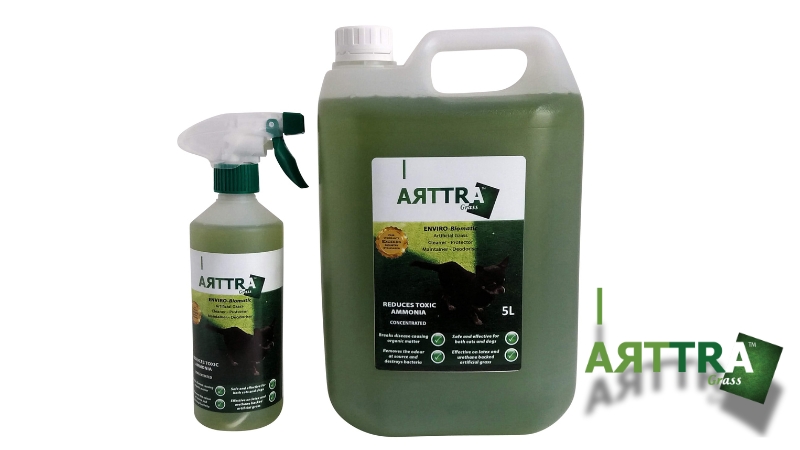
Enzyme Cleaner for Artificial Grass

Preventing Dogs from Digging

Dogs dig for instinct, scent or boredom.

Professional installation prevents lifting:

  • Secure edge restraints
  • Fully compacted base
  • Bonded seams
  • No exposed edges

Once installed correctly, most dogs quickly adapt.

Artificial Grass for Multiple Dogs

Higher traffic requires:

  • Dense fibre construction
  • Superior drainage
  • Slightly shorter pile height (often 25mm preferred)
  • More regular rinsing

For breeders or homes with several dogs, installation quality becomes even more critical.

How Long Does Dog Friendly Artificial Grass Last?

With proper installation in UK conditions:

  • 10–15+ years lifespan
  • Stable drainage
  • Strong fibre resilience

Longevity depends on:

  • Product quality
  • Sub-base preparation
  • Usage intensity
  • Maintenance routine

Cheaper products often fail within 5–7 years

Cost of Dog Friendly Artificial Grass in the UK

Pricing varies depending on:

  • Garden size
  • Access
  • Ground preparation
  • Waste removal
  • Turf specification
  • Installation complexity

While upfront investment is higher than reseeding, long-term savings include:

  • No fertilisers
  • No watering
  • No mowing
  • No lawn repairs
  • No mud damage indoors

For many households, it becomes cost-effective over time.

Explore how much artificial grass costs for dogs in the UK.

Common Myths About Dog Friendly Artificial Grass

“It always smells.”

Only when poorly installed.

“It’s bad for dogs.”

Non-toxic systems are completely safe.

“It’s bad for the environment.”

Modern recyclable bio-backed turf dramatically reduces impact.

“Dogs won’t use it.”

Most adapt immediately.

Who Should Consider Dog Friendly Artificial Grass?

It’s ideal for:

  • Urban homes
  • Busy families
  • Multi-dog households
  • Rental properties
  • Breeders
  • Homes with children and pets

Why Many UK Families Choose ARTTRAGrass®

When comparing options, ARTTRAGrass® stands out because it combines:

  • 100% recyclable bio-backed green backing
  • Non-toxic construction
  • Odour-resistant drainage support
  • Reduced fossil fuel dependency
  • Lower carbon footprint
  • Availability in 25mm and 35mm
  • Designed for families with pets and children

This isn’t just synthetic turf.

It’s next-generation sustainable lawn technology built for real UK homes.

Learn how our products help you on our Artificial Grass for Dogs service page.
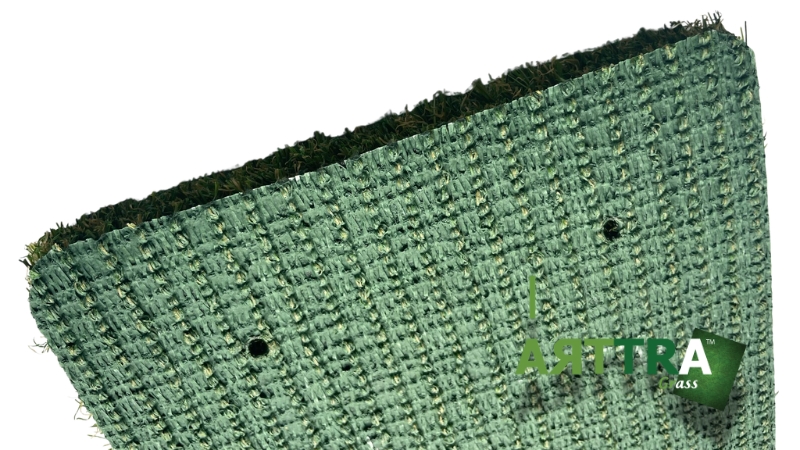
Dog Friendly Artificial Grass

Internal Next Steps

If you’re still researching, explore:

  • Artificial grass for dogs installation
  • 25mm vs 35mm artificial grass comparison
  • How to stop artificial grass smelling of dog urine
  • Eco friendly artificial grass explained

If you’re ready to transform your garden:

Request a free quote for dog friendly artificial grass installation today.

Frequently Asked Questions

1. Is dog friendly artificial grass safe for long-term use?

Yes, when manufactured using non-toxic materials and installed correctly.

2. How do you stop artificial grass smelling of dog urine?

Ensure proper drainage during installation and rinse regularly.

3. What pile height is best for dogs?

25mm for heavy use; 35mm for softer family gardens.

4. Does artificial grass get too hot in the UK?

Rarely excessively. Water cools it quickly.

5. Is artificial grass better than natural grass for dogs?

For mud prevention and durability, many UK owners prefer it.

6. Can puppies use artificial grass?

Yes, it’s suitable during toilet training.

7. How long does dog friendly artificial grass last?

Typically 10–15+ years.

8. Is eco friendly artificial grass recyclable?

Some advanced systems are 100% recyclable.

9. Will dogs dig it up?

Not when professionally installed.

10. Does it require special cleaning?

Only simple rinsing and occasional enzyme treatment.

GET IN TOUCH
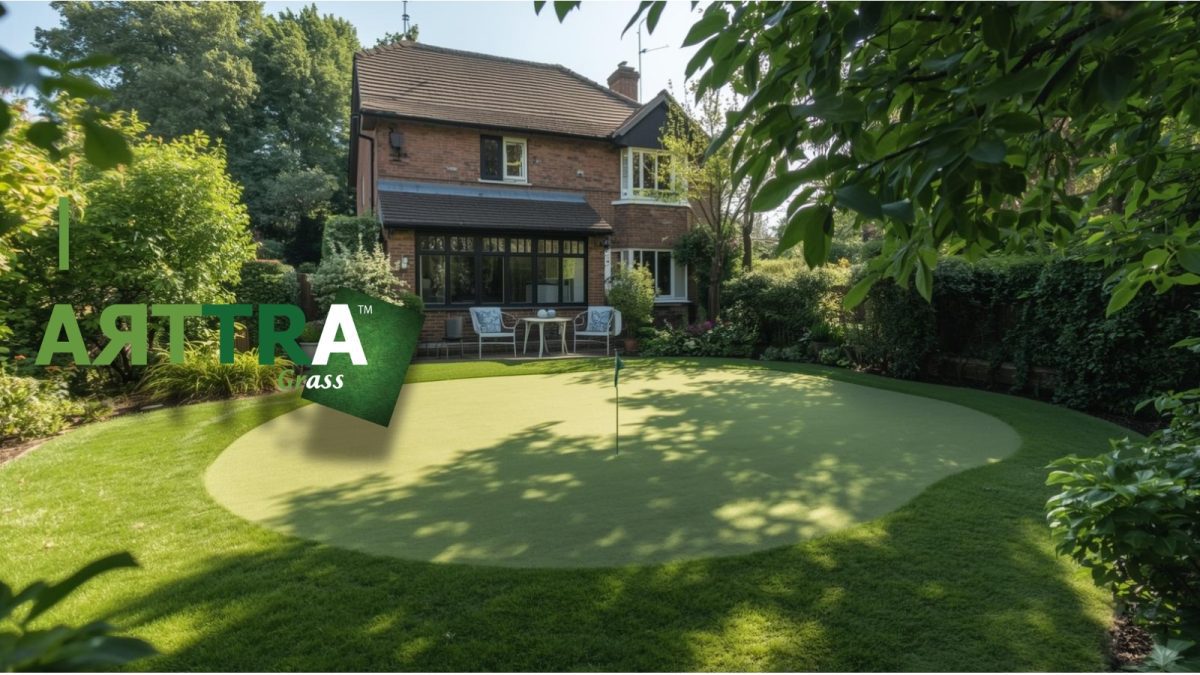
Schedule a Visit

Categories
Back Garden

Backyard Artificial Putting Green UK – The Complete Homeowner Guide

If you’re researching a backyard artificial putting green UK, you’re likely asking:

  • How much does it cost?
  • Will it fit my garden?
  • Is it better than natural turf?
  • Can I install it myself?
  • Will it add property value?

This guide covers everything UK homeowners need to know before installing a residential artificial putting green.

Why Artificial Putting Greens Are Growing in the UK

In recent years, demand for backyard putting greens has increased due to:

  • Home improvement trends
  • Rise in garden leisure spaces
  • Desire for all year round practice
  • Low-maintenance landscaping solutions

Unlike natural greens, artificial systems are engineered for:

  • Consistent ball roll
  • Drainage performance
  • Minimal upkeep
  • Long-term durability

How Much Does a Backyard Artificial Putting Green Cost in the UK?

Costs vary depending on:

  • Garden size
  • Design complexity
  • Ground preparation
  • Turf quality
  • Edge detailing

Most residential installations range:

£3,000 – £12,000+

For a full breakdown of budget ranges, see our detailed guide on artificial putting green cost UK.

Understanding investment early prevents costly surprises later.

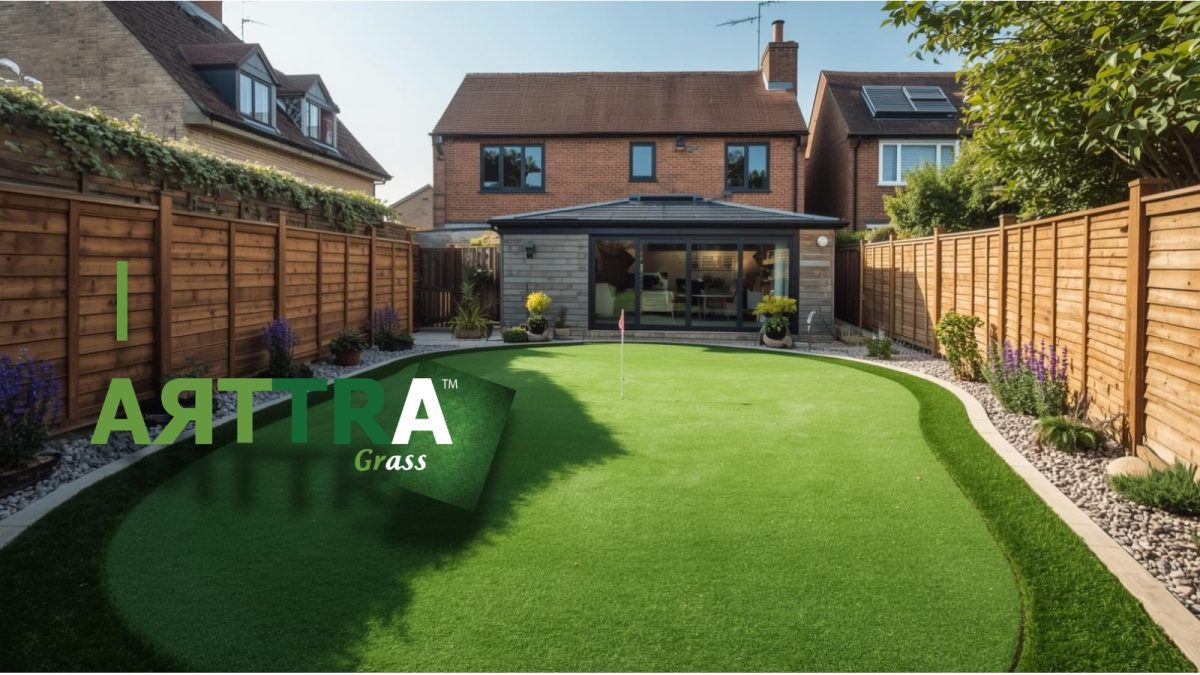
Backyard Putting Green Design Ideas

Design determines performance and visual impact.

Popular residential layouts include:

  • Compact corner greens
  • Kidney-shaped feature greens
  • Multi-tiered practice zones
  • Patio-integrated designs
  • Premium showcase greens

For inspiration and layout guidance, explore our full guide to
backyard putting green design ideas.

Smart design often matters more than overall size.

DIY vs Professional Installation: What’s Best?

Some homeowners consider self-installation to reduce cost.

However, installing a high-performing green requires:

  • Excavation precision
  • Sub-base engineering
  • Compaction control
  • Contour shaping
  • Drainage planning

Mistakes can lead to:

  • Uneven roll
  • Poor drainage
  • Surface sinking
  • Premature failure

Before deciding, read our full comparison: DIY vs professional putting green installation.

Professional installation typically ensures performance consistency and longevity.

Choosing the Best Artificial Grass for Putting Greens

Not all artificial grass is designed for putting.

Important factors include:

  • Pile height
  • Stitch density
  • Backing strength
  • Ball roll calibration
  • Infill compatibility

Using lawn-grade turf will not replicate realistic speed.

Learn how to select the right surface in our guide to the best artificial grass for putting greens.

Material selection affects both realism and durability.

Maintenance: What’s Required?

One of the biggest advantages of artificial systems is low maintenance.

Typical upkeep includes:

  • Occasional brushing
  • Debris removal
  • Light cleaning
  • Infill top-up (if required)

No mowing.
No watering.
No fertiliser.

For full maintenance advice, request a copy of how to maintain an artificial putting green.

Minimal upkeep is a major advantage in the UK climate.

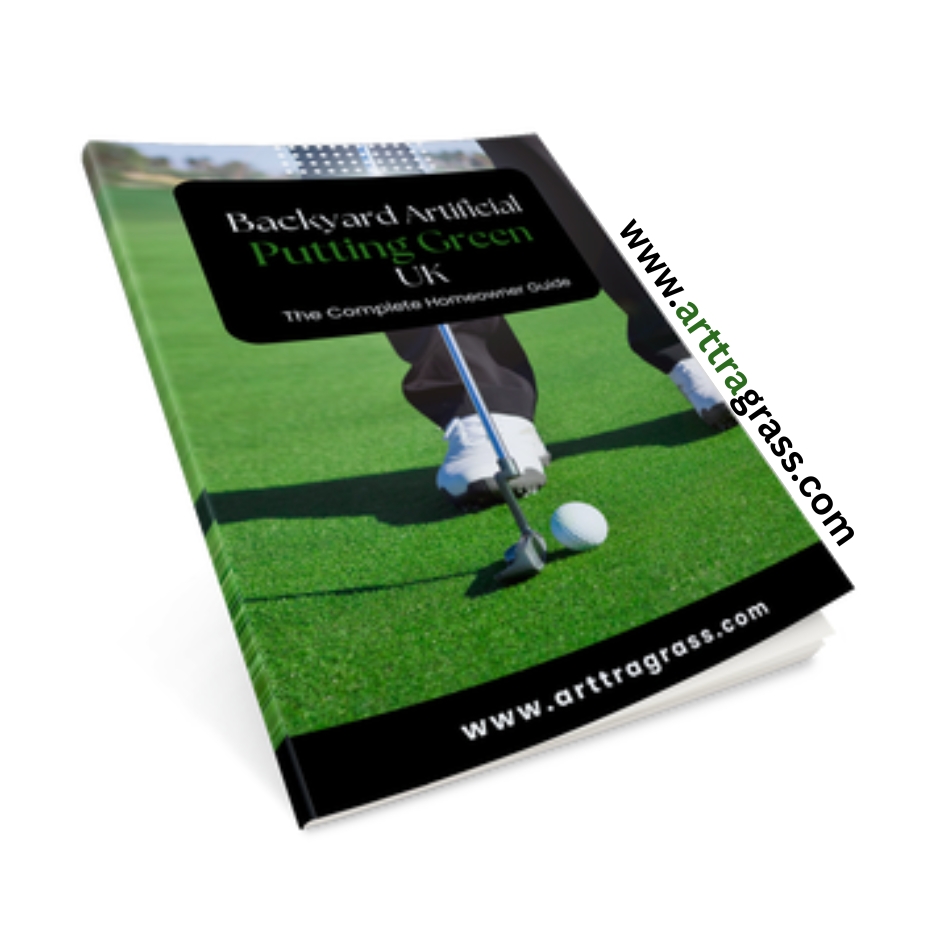
Backyard Artificial Putting Green UK
Backyard Artificial Grass Putting Green Homeowner’s Guide | Request A Copy

Artificial vs Natural Putting Greens

Natural greens require:

  • Irrigation
  • Fertilising
  • Aeration
  • Disease control
  • Ongoing professional care

Artificial systems provide:

  • Consistent speed
  • All year round usability
  • Controlled drainage
  • Reduced maintenance costs

Compare both options in depth here: artificial vs natural putting greens.

For most UK homeowners, artificial is the more practical long-term solution.

Does a Backyard Putting Green Increase Property Value?

Many homeowners ask whether installation is financially sensible.

While surveyors may not assign direct value uplift, a professionally designed green can:

  • Increase buyer appeal
  • Differentiate listings
  • Support premium positioning
  • Improve lifestyle perception

Explore resale implications here: does a putting green increase property value?

Lifestyle enhancement often drives perceived value.

What Size Backyard Putting Green Is Right for You?

Garden SizeRecommended Green Size
Small10–20m²
Medium20–35m²
Large35–60m²+

Proportion matters more than area. Contour engineering influences performance more than square footage.

How Long Does Installation Take?

Most residential installations take:

2–5 days

Depending on:

  • Ground conditions
  • Design complexity
  • Weather
  • Access

How Long Do Artificial Putting Greens Last?

With proper installation:

  • 12–15+ years residential lifespan
  • Longer with moderate use
  • Backing and sub-base determine durability

Longevity depends heavily on installation quality.

Is a Backyard Artificial Putting Green Right for You?

It’s ideal if you:

  • Play golf regularly
  • Want consistent practice
  • Prefer low garden maintenance
  • Enjoy outdoor entertaining
  • Value unique garden features

It may not be suitable if:

  • Garden space is extremely limited
  • You prefer traditional lawn aesthetics
  • Budget constraints are tight

FAQs – Backyard Artificial Putting Green UK

1. How much space do I need?

Even 10–15m² can work effectively.

2. Is planning permission required?

Typically no for residential gardens, but always check local regulations.

3. Can it be installed on uneven ground?

Yes, with professional excavation and base preparation.

4. Does artificial turf look realistic?

Modern putting turf is highly realistic when installed correctly.

5. Will it drain during heavy rain?

Yes, if installed over a permeable sub-base.

6. Is it safe for children?

Yes, when professionally installed.

7. Can it include fringe grass?

Yes, fringe can be integrated for realism.

8. Does it fade over time?

Quality turf includes UV stabilisation.

9. Is it suitable for winter use?

Yes, artificial greens remain usable all year round.

10. What impacts cost the most?

Size, contours, ground preparation and turf selection.

GET IN TOUCH

Arrange a Quotation

Categories
Back Garden

10 Backyard Putting Green Design Ideas (UK Homeowner Guide)

If you’re searching for backyard putting green design ideas, you’re likely imagining more than just a flat strip of turf.

A well-designed artificial putting green should:

  • Fit your garden proportions
  • Complement landscaping
  • Drain effectively
  • Provide realistic practice conditions
  • Increase lifestyle appeal

This guide explores data-informed layouts, sizing insights and creative design approaches for UK gardens.

Why Design Matters More Than Size

Many homeowners assume bigger = better.

But in residential projects across the UK, most high-performing backyard putting greens range between:

15m² – 40m²

What matters more than size:

  • Contour complexity
  • Hole placement strategy
  • Fringe integration
  • Visual framing
  • Drainage engineering

Smart design creates challenge — not just square footage.

1. Compact Corner Green (10–20m²)

Ideal for:

  • Small gardens
  • New-build homes
  • Patio-adjacent spaces

Design Features:

  • 2–3 hole placements
  • Gentle breaks
  • Minimal excavation footprint

This is one of the most popular UK installations due to space efficiency.

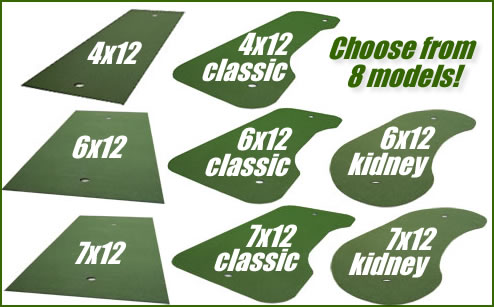
2. Kidney-Shaped Feature Green

Organic shapes blend better into landscaping.

Benefits:

  • Soft visual flow
  • Natural-looking contours
  • Allows multiple pin positions

This design works well alongside artificial lawns.

Putting Greens Shapes

3. Multi-Level Practice Green

For serious golfers.

Includes:

  • Elevated tiers
  • Subtle slopes
  • Varied stimp calibration

Creates realistic practice challenges without needing large area.

4. Island Green Effect

Inspired by championship courses.

Design Elements:

  • Framed by decorative stone
  • Artificial fringe surround
  • Strategic drainage base

Visually striking centrepiece for premium gardens.

5. Integrated Patio Edge Green

Blends directly into paving.

Benefits:

  • Clean finish
  • Easy access
  • Social entertaining appeal

Works especially well in modern garden designs.

6. Garden Flow Green (Full Landscape Integration)

Combines:

  • Artificial lawn
  • Putting surface
  • Seating zones
  • Pathways

This approach increases perceived garden size and usability.

7. Narrow Run Practice Strip

Designed for:

  • Distance control
  • Alignment training
  • Small gardens

A 1.2–1.5m wide strip can dramatically improve short-game practice.

8. Contour-Focused Challenge Green

Designed around slope variation rather than size.

Key Features:

  • Subtle breaks
  • Ridge integration
  • Multiple pin positions

Performance is engineered beneath the surface through sub-base shaping.

9. Family-Friendly Fun Green

Includes:

  • Wider cups
  • Gentle breaks
  • Safe edges

Perfect for households wanting entertainment value as well as practice.

10. Premium Showcase Green (40m²+)

Best suited for:

  • Larger properties
  • Golf enthusiasts
  • Luxury landscaping projects

Can include:

  • Bunker effects
  • Fringe rough
  • Advanced contour mapping

These installations create standout visual impact.

Find out more by visiting our Artificial Grass Putting Green Installation page.

Size Guide: What Works in UK Gardens?

Garden SizeRecommended Green Size
Small (Under 60m²)10–20m²
Medium (60–120m²)20–35m²
Large (120m²+)35–60m²+

Proportion matters more than total area.

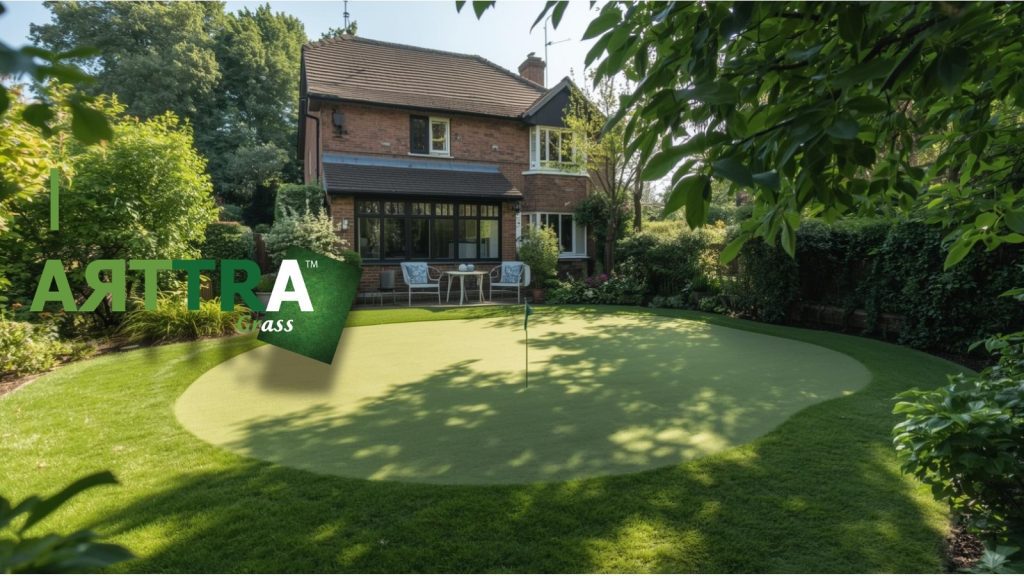
Backyard Golf Green

Contours: The Hidden Performance Factor

A putting green without contour is just turf.

Professional installations shape the sub-base to:

  • Influence ball break
  • Improve drainage
  • Prevent pooling
  • Maintain consistent roll

Ground engineering determines performance.

Drainage: Essential in UK Climate

UK rainfall demands:

  • Permeable sub-base layers
  • Compacted aggregates
  • Proper edge restraint
  • Controlled runoff

Aesthetics matter — but drainage ensures longevity.

Fringe & Surround Ideas

Adding fringe improves realism.

Options include:

  • Artificial fringe collar
  • Stone edging
  • Timber sleepers
  • Integrated lawn transition

Framing elevates the visual finish.

Design Mistakes to Avoid

  • Oversizing small gardens
  • Ignoring drainage slope
  • Flat installation (no challenge)
  • Cheap turf selection
  • Poor edge finishing

Design errors reduce both enjoyment and resale appeal.

How Design Impacts Cost

Design complexity affects:

  • Excavation depth
  • Base shaping
  • Material usage
  • Labour time

More contours = more groundwork.

That’s why understanding layout early helps budget planning.

Learn more about artificial putting green cost in the UK.

Does Design Affect Property Appeal?

Yes.

Tastefully integrated backyard putting greens can:

  • Improve visual interest
  • Enhance lifestyle perception
  • Differentiate property listings

Poorly designed greens can do the opposite. Integration is everything.

It can actually increase the value of your property. Does a putting green increase property value in the UK?

FAQs – Backyard Putting Green Design Ideas

1. What size backyard putting green is ideal?

Most UK residential greens range from 15–40m².

2. Can small gardens accommodate a putting green?

Yes, compact designs work well in smaller spaces.

3. Do contours make a big difference?

Yes, they dramatically improve realism and challenge.

4. Is drainage important in the UK?

Absolutely, due to regular rainfall.

5. How many holes should a backyard green have?

2–5 holes is typical for residential installations.

6. Can a putting green be integrated into landscaping?

Yes, integration improves both function and aesthetics.

7. Are bunkers recommended?

Only for larger gardens; they increase complexity and cost.

8. Does shape matter?

Organic shapes often blend better into gardens.

9. Can it be installed on a slope?

Yes, but proper base engineering is essential.

10. Should I prioritise size or contour?

Contour and design quality are more important than size.

GET IN TOUCH

Schedule a Visit