Categories
Back Garden

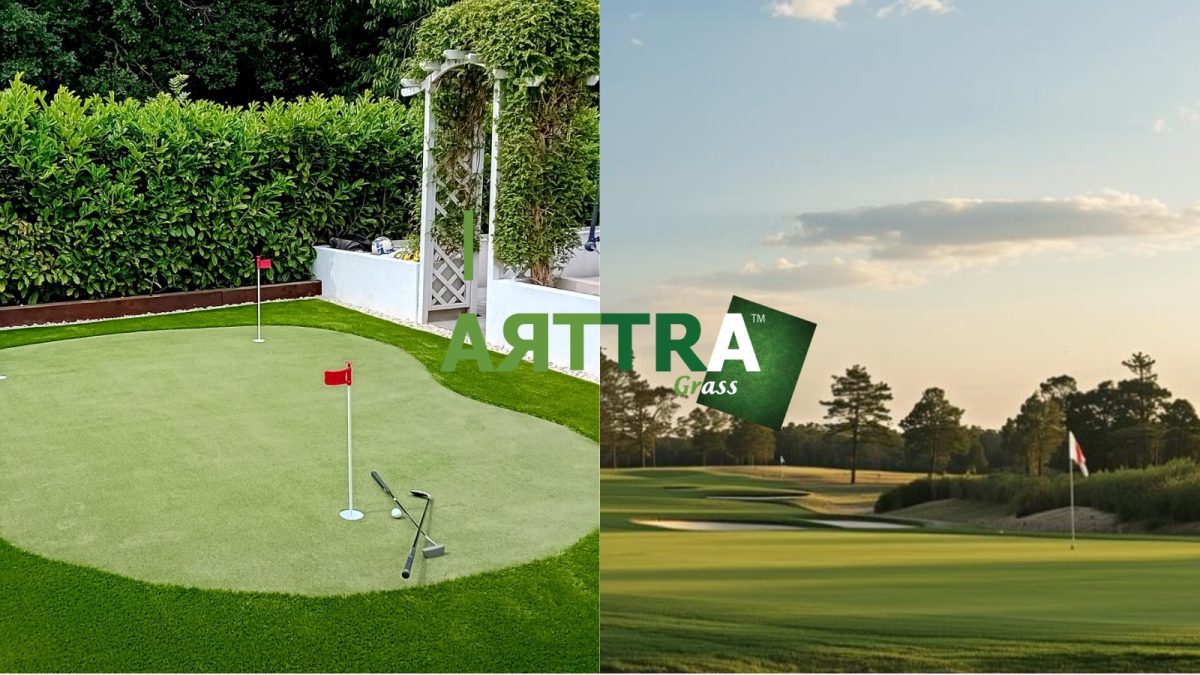
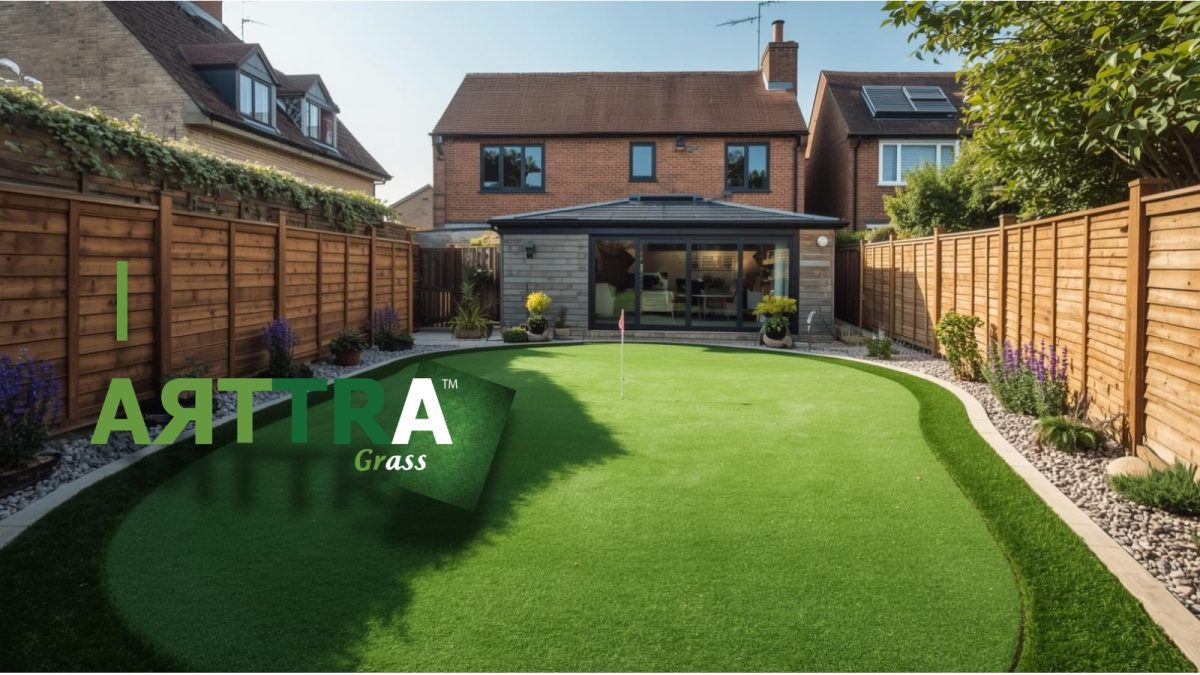
Backyard Artificial Putting Green UK – The Complete Homeowner Guide

If you’re researching a backyard artificial putting green UK, you’re likely asking:

  • How much does it cost?
  • Will it fit my garden?
  • Is it better than natural turf?
  • Can I install it myself?
  • Will it add property value?

This guide covers everything UK homeowners need to know before installing a residential artificial putting green.

Why Artificial Putting Greens Are Growing in the UK

In recent years, demand for backyard putting greens has increased due to:

  • Home improvement trends
  • Rise in garden leisure spaces
  • Desire for all year round practice
  • Low-maintenance landscaping solutions

Unlike natural greens, artificial systems are engineered for:

  • Consistent ball roll
  • Drainage performance
  • Minimal upkeep
  • Long-term durability

How Much Does a Backyard Artificial Putting Green Cost in the UK?

Costs vary depending on:

  • Garden size
  • Design complexity
  • Ground preparation
  • Turf quality
  • Edge detailing

Most residential installations range:

£3,000 – £12,000+

For a full breakdown of budget ranges, see our detailed guide on artificial putting green cost UK.

Understanding investment early prevents costly surprises later.

Backyard Putting Green Design Ideas

Design determines performance and visual impact.

Popular residential layouts include:

  • Compact corner greens
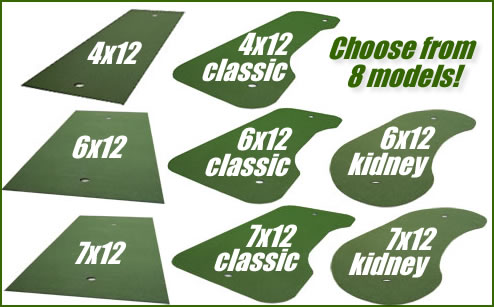
  • Kidney-shaped feature greens
  • Multi-tiered practice zones
  • Patio-integrated designs
  • Premium showcase greens

For inspiration and layout guidance, explore our full guide to
backyard putting green design ideas.

Smart design often matters more than overall size.

DIY vs Professional Installation: What’s Best?

Some homeowners consider self-installation to reduce cost.

However, installing a high-performing green requires:

  • Excavation precision
  • Sub-base engineering
  • Compaction control
  • Contour shaping
  • Drainage planning

Mistakes can lead to:

  • Uneven roll
  • Poor drainage
  • Surface sinking
  • Premature failure

Before deciding, read our full comparison: DIY vs professional putting green installation.

Professional installation typically ensures performance consistency and longevity.

Choosing the Best Artificial Grass for Putting Greens

Not all artificial grass is designed for putting.

Important factors include:

  • Pile height
  • Stitch density
  • Backing strength
  • Ball roll calibration
  • Infill compatibility

Using lawn-grade turf will not replicate realistic speed.

Learn how to select the right surface in our guide to the best artificial grass for putting greens.

Material selection affects both realism and durability.

Maintenance: What’s Required?

One of the biggest advantages of artificial systems is low maintenance.

Typical upkeep includes:

  • Occasional brushing
  • Debris removal
  • Light cleaning
  • Infill top-up (if required)

No mowing.
No watering.
No fertiliser.

For full maintenance advice, request a copy of how to maintain an artificial putting green.

Minimal upkeep is a major advantage in the UK climate.
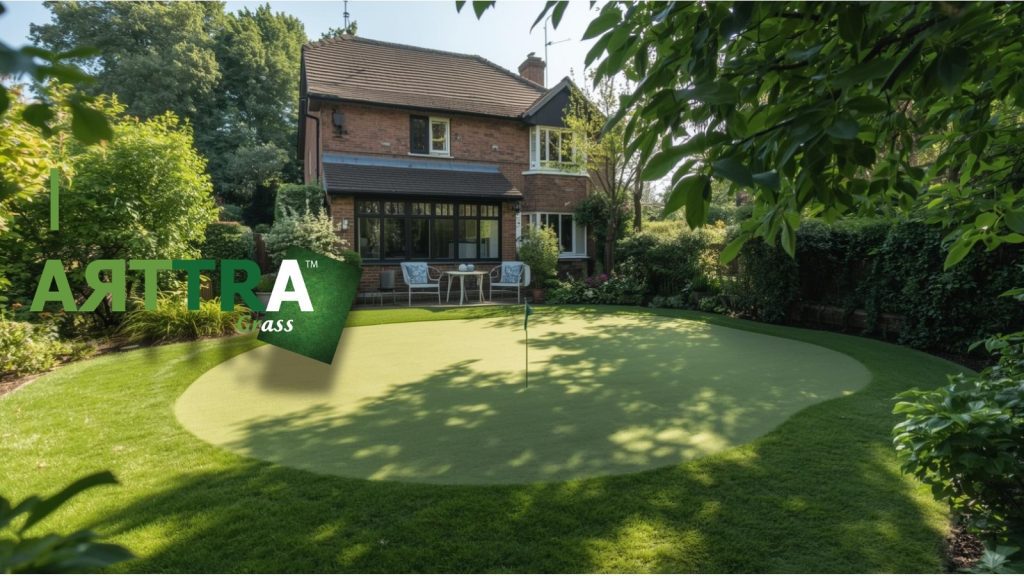
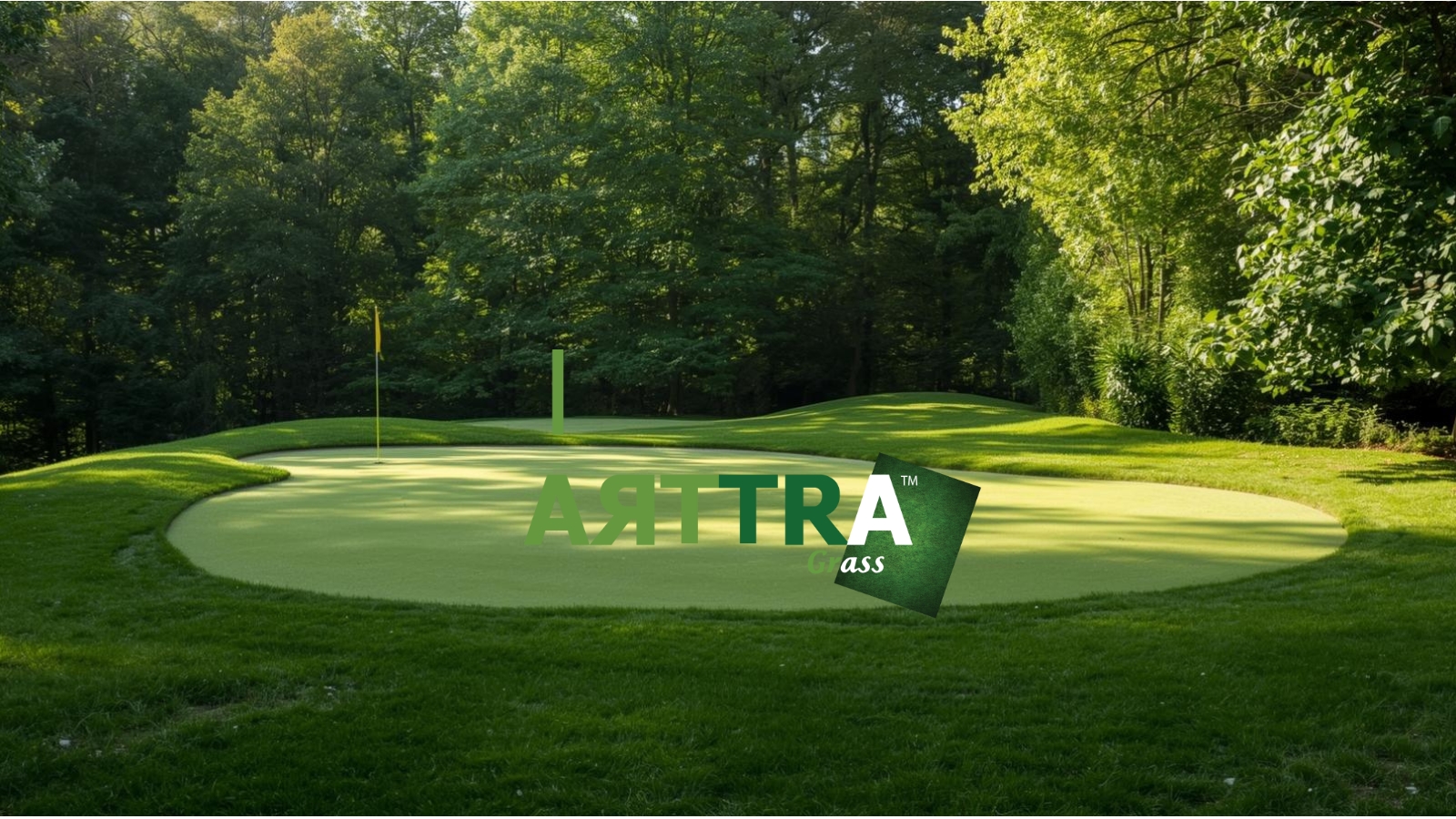
Backyard Artificial Putting Green UK
Backyard Artificial Grass Putting Green Homeowner’s Guide | Request A Copy

Artificial vs Natural Putting Greens

Natural greens require:

  • Irrigation
  • Fertilising
  • Aeration
  • Disease control
  • Ongoing professional care

Artificial systems provide:

  • Consistent speed
  • All year round usability
  • Controlled drainage
  • Reduced maintenance costs

Compare both options in depth here: artificial vs natural putting greens.

For most UK homeowners, artificial is the more practical long-term solution.

Does a Backyard Putting Green Increase Property Value?

Many homeowners ask whether installation is financially sensible.

While surveyors may not assign direct value uplift, a professionally designed green can:

  • Increase buyer appeal
  • Differentiate listings
  • Support premium positioning
  • Improve lifestyle perception

Explore resale implications here: does a putting green increase property value?

Lifestyle enhancement often drives perceived value.

What Size Backyard Putting Green Is Right for You?

Garden SizeRecommended Green Size
Small10–20m²
Medium20–35m²
Large35–60m²+

Proportion matters more than area. Contour engineering influences performance more than square footage.

How Long Does Installation Take?

Most residential installations take:

2–5 days

Depending on:

  • Ground conditions
  • Design complexity
  • Weather
  • Access

How Long Do Artificial Putting Greens Last?

With proper installation:

  • 12–15+ years residential lifespan
  • Longer with moderate use
  • Backing and sub-base determine durability

Longevity depends heavily on installation quality.

Is a Backyard Artificial Putting Green Right for You?

It’s ideal if you:

  • Play golf regularly
  • Want consistent practice
  • Prefer low garden maintenance
  • Enjoy outdoor entertaining
  • Value unique garden features

It may not be suitable if:

  • Garden space is extremely limited
  • You prefer traditional lawn aesthetics
  • Budget constraints are tight

FAQs – Backyard Artificial Putting Green UK

1. How much space do I need?

Even 10–15m² can work effectively.

2. Is planning permission required?

Typically no for residential gardens, but always check local regulations.

3. Can it be installed on uneven ground?

Yes, with professional excavation and base preparation.

4. Does artificial turf look realistic?

Modern putting turf is highly realistic when installed correctly.

5. Will it drain during heavy rain?

Yes, if installed over a permeable sub-base.

6. Is it safe for children?

Yes, when professionally installed.

7. Can it include fringe grass?

Yes, fringe can be integrated for realism.

8. Does it fade over time?

Quality turf includes UV stabilisation.

9. Is it suitable for winter use?

Yes, artificial greens remain usable all year round.

10. What impacts cost the most?

Size, contours, ground preparation and turf selection.

GET IN TOUCH
Arrange a Quotation

Categories
Back Garden

10 Backyard Putting Green Design Ideas (UK Homeowner Guide)

If you’re searching for backyard putting green design ideas, you’re likely imagining more than just a flat strip of turf.

A well-designed artificial putting green should:

  • Fit your garden proportions
  • Complement landscaping
  • Drain effectively
  • Provide realistic practice conditions
  • Increase lifestyle appeal

This guide explores data-informed layouts, sizing insights and creative design approaches for UK gardens.

Why Design Matters More Than Size

Many homeowners assume bigger = better.

But in residential projects across the UK, most high-performing backyard putting greens range between:

15m² – 40m²

What matters more than size:

  • Contour complexity
  • Hole placement strategy
  • Fringe integration
  • Visual framing
  • Drainage engineering

Smart design creates challenge — not just square footage.

1. Compact Corner Green (10–20m²)

Ideal for:

  • Small gardens
  • New-build homes
  • Patio-adjacent spaces

Design Features:

  • 2–3 hole placements
  • Gentle breaks
  • Minimal excavation footprint

This is one of the most popular UK installations due to space efficiency.

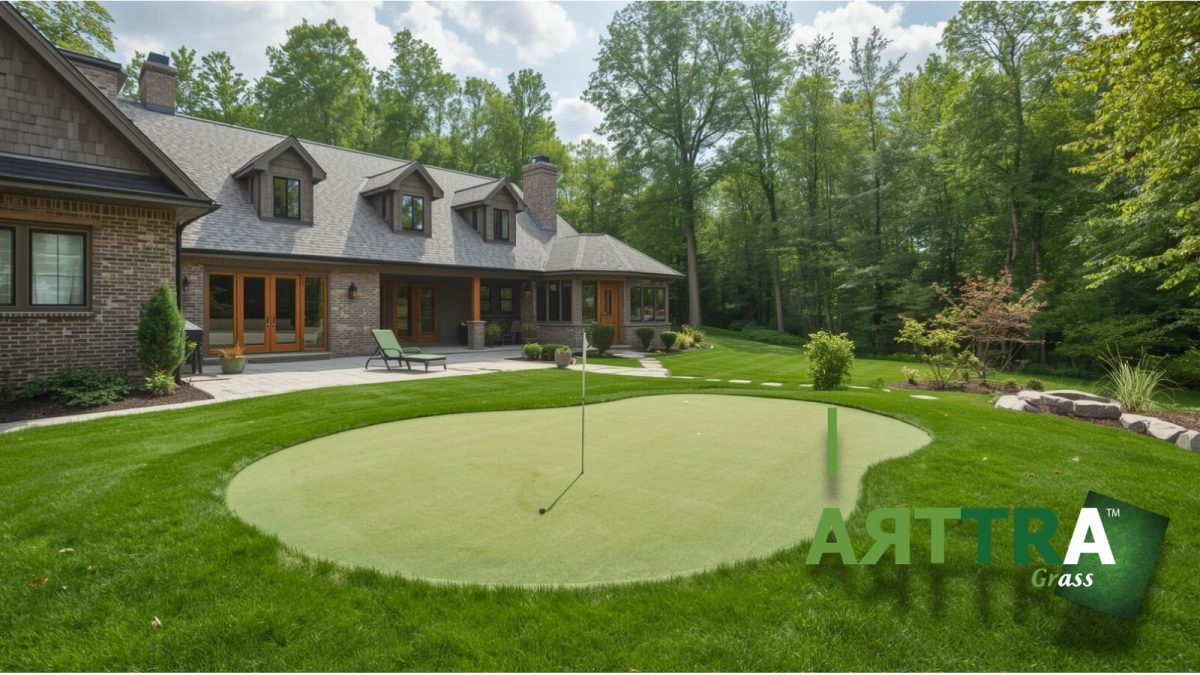
2. Kidney-Shaped Feature Green

Organic shapes blend better into landscaping.

Benefits:

  • Soft visual flow
  • Natural-looking contours
  • Allows multiple pin positions

This design works well alongside artificial lawns.

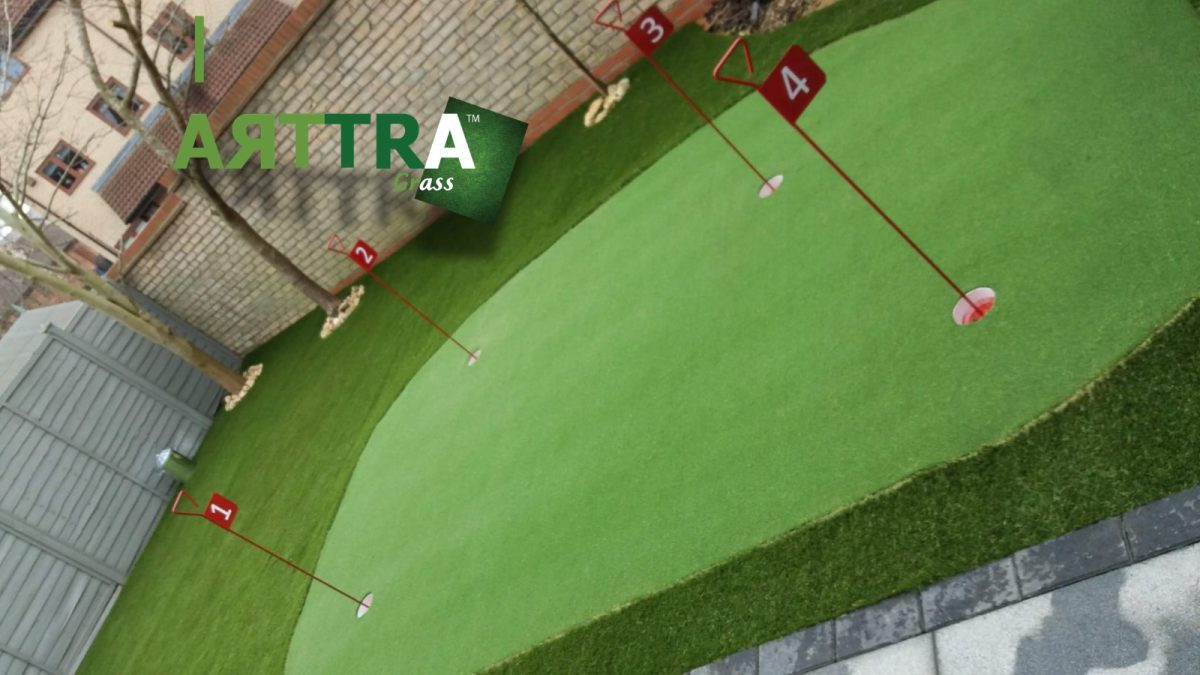
Putting Greens Shapes

3. Multi-Level Practice Green

For serious golfers.

Includes:

  • Elevated tiers
  • Subtle slopes
  • Varied stimp calibration

Creates realistic practice challenges without needing large area.

4. Island Green Effect

Inspired by championship courses.

Design Elements:

  • Framed by decorative stone
  • Artificial fringe surround
  • Strategic drainage base

Visually striking centrepiece for premium gardens.

5. Integrated Patio Edge Green

Blends directly into paving.

Benefits:

  • Clean finish
  • Easy access
  • Social entertaining appeal

Works especially well in modern garden designs.

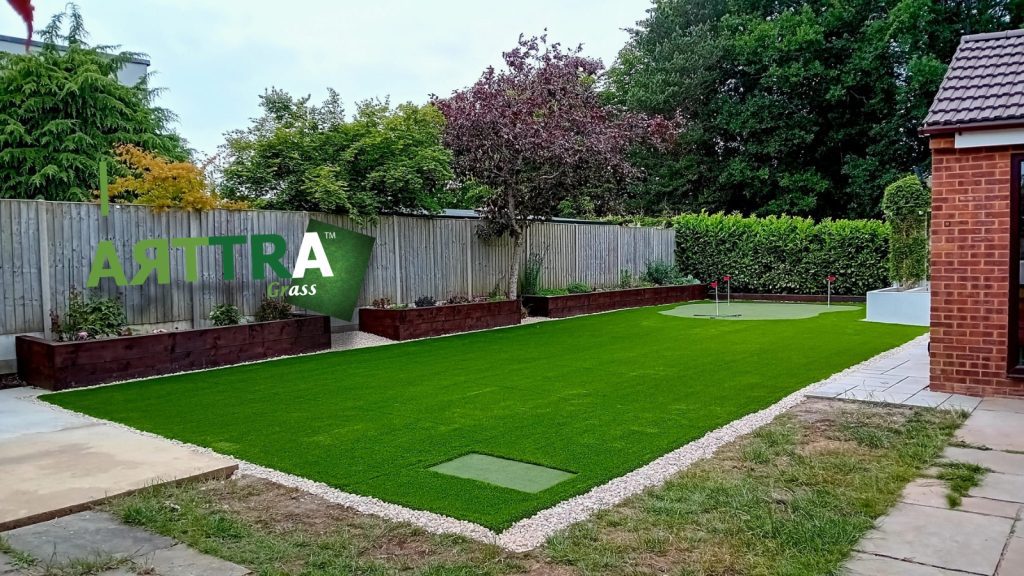
6. Garden Flow Green (Full Landscape Integration)

Combines:

  • Artificial lawn
  • Putting surface
  • Seating zones
  • Pathways

This approach increases perceived garden size and usability.

7. Narrow Run Practice Strip

Designed for:

  • Distance control
  • Alignment training
  • Small gardens

A 1.2–1.5m wide strip can dramatically improve short-game practice.

8. Contour-Focused Challenge Green

Designed around slope variation rather than size.

Key Features:

  • Subtle breaks
  • Ridge integration
  • Multiple pin positions

Performance is engineered beneath the surface through sub-base shaping.

9. Family-Friendly Fun Green

Includes:

  • Wider cups
  • Gentle breaks
  • Safe edges

Perfect for households wanting entertainment value as well as practice.

10. Premium Showcase Green (40m²+)

Best suited for:

  • Larger properties
  • Golf enthusiasts
  • Luxury landscaping projects

Can include:

  • Bunker effects
  • Fringe rough
  • Advanced contour mapping

These installations create standout visual impact.

Find out more by visiting our Artificial Grass Putting Green Installation page.

Size Guide: What Works in UK Gardens?

Garden SizeRecommended Green Size
Small (Under 60m²)10–20m²
Medium (60–120m²)20–35m²
Large (120m²+)35–60m²+

Proportion matters more than total area.

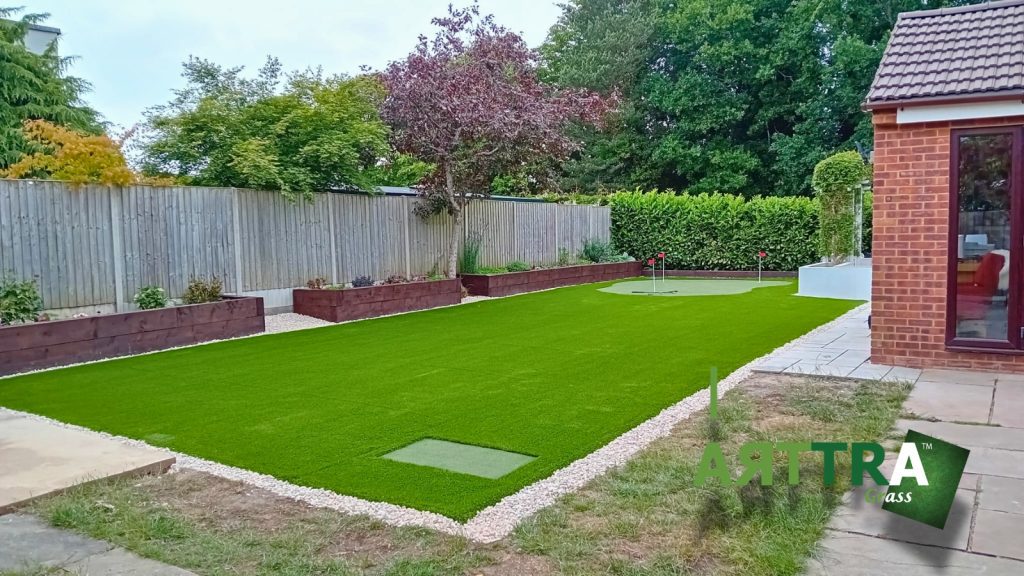
Backyard Golf Green

Contours: The Hidden Performance Factor

A putting green without contour is just turf.

Professional installations shape the sub-base to:

  • Influence ball break
  • Improve drainage
  • Prevent pooling
  • Maintain consistent roll

Ground engineering determines performance.

Drainage: Essential in UK Climate

UK rainfall demands:

  • Permeable sub-base layers
  • Compacted aggregates
  • Proper edge restraint
  • Controlled runoff

Aesthetics matter — but drainage ensures longevity.

Fringe & Surround Ideas

Adding fringe improves realism.

Options include:

  • Artificial fringe collar
  • Stone edging
  • Timber sleepers
  • Integrated lawn transition

Framing elevates the visual finish.

Design Mistakes to Avoid

  • Oversizing small gardens
  • Ignoring drainage slope
  • Flat installation (no challenge)
  • Cheap turf selection
  • Poor edge finishing

Design errors reduce both enjoyment and resale appeal.

How Design Impacts Cost

Design complexity affects:

  • Excavation depth
  • Base shaping
  • Material usage
  • Labour time

More contours = more groundwork.

That’s why understanding layout early helps budget planning.

Learn more about artificial putting green cost in the UK.

Does Design Affect Property Appeal?

Yes.

Tastefully integrated backyard putting greens can:

  • Improve visual interest
  • Enhance lifestyle perception
  • Differentiate property listings

Poorly designed greens can do the opposite. Integration is everything.

It can actually increase the value of your property. Does a putting green increase property value in the UK?

FAQs – Backyard Putting Green Design Ideas

1. What size backyard putting green is ideal?

Most UK residential greens range from 15–40m².

2. Can small gardens accommodate a putting green?

Yes, compact designs work well in smaller spaces.

3. Do contours make a big difference?

Yes, they dramatically improve realism and challenge.

4. Is drainage important in the UK?

Absolutely, due to regular rainfall.

5. How many holes should a backyard green have?

2–5 holes is typical for residential installations.

6. Can a putting green be integrated into landscaping?

Yes, integration improves both function and aesthetics.

7. Are bunkers recommended?

Only for larger gardens; they increase complexity and cost.

8. Does shape matter?

Organic shapes often blend better into gardens.

9. Can it be installed on a slope?

Yes, but proper base engineering is essential.

10. Should I prioritise size or contour?

Contour and design quality are more important than size.

GET IN TOUCH

Schedule a Visit

Categories
Back Garden Residential

Does a Putting Green Increase Property Value in the UK?

If you’re considering installation, one question inevitably comes up: Does a putting green increase property value? The answer isn’t black and white.

But when designed and installed correctly, a high-quality artificial putting green can:

  • Increase buyer appeal
  • Differentiate your property
  • Improve perceived lifestyle value
  • Support premium positioning

Let’s break it down realistically.

1. Direct Property Value Impact

Unlike kitchen renovations or loft conversions, a putting green is considered a lifestyle enhancement rather than structural improvement.

That means:

  • It won’t automatically add a fixed percentage to your valuation
  • It won’t be formally “priced in” by surveyors

However…

In the right market, it can increase desirability — which affects final sale price.

2. Buyer Psychology & Lifestyle Appeal

High-end property buyers purchase emotion as much as square footage.

A professionally installed artificial putting green signals:

  • Premium outdoor living
  • Leisure-focused lifestyle
  • Attention to design
  • Unique property character

In competitive markets, distinctive features can create stronger buyer interest.

3. When a Putting Green Can Add Value

A putting green is most likely to enhance property appeal when:

You are in a Golf-Oriented Area

Proximity to golf clubs increases relevance.

The Property Is Upper-Market

Luxury homes benefit more from experiential features.

The Garden Is Well-Designed

Integration matters. A poorly positioned green can reduce appeal.

It’s Professionally Installed

Sub-base engineering and clean finishing are essential.

4. When It May Not Add Value

A putting green may not positively impact value if:

  • It replaces valuable lawn space in a family-focused area
  • It appears cheaply installed
  • It dominates a small garden
  • Drainage is poor

Design and proportion are critical.

5. Artificial vs Natural: Resale Perspective

From a resale standpoint:

Artificial Putting Greens

  • Low maintenance
  • No irrigation concerns
  • All year round usability
  • No ongoing turf care

More attractive to non-golfers who don’t want maintenance burden.

Natural Greens

  • High maintenance
  • Water requirements
  • Specialist care

Can deter buyers unless they are passionate golfers.

Artificial systems are typically safer for resale appeal.

Read more about artificial vs natural putting greens in our expert guide.

6. Perceived Value vs Actual Value

Even if surveyors don’t assign direct monetary increase, putting greens can:

  • Help sell faster
  • Reduce negotiation pressure
  • Justify premium positioning
  • Increase online listing interest

In property marketing, distinctiveness drives engagement.

7. Cost vs Potential Return

Let’s look at typical residential installation:

£3,000 – £12,000+

If it helps:

  • Sell faster
  • Reduce negotiation by £5,000
  • Attract premium buyers

It can effectively pay for itself.

However, ROI depends on:

  • Location
  • Market conditions
  • Installation quality
  • Overall property value

See our full breakdown of artificial putting green installation costs here.

8. The “Lifestyle Dividend”

Beyond resale, there’s personal ROI:

  • Daily practice access
  • Family entertainment
  • Increased garden usage
  • Social appeal
  • Visual improvement

For many homeowners, enjoyment justifies investment regardless of resale impact.

9. Estate Agent Perspective

Many estate agents agree:

Unique but tasteful outdoor features can:

  • Differentiate listings
  • Increase viewing requests
  • Create memorable impressions

But scale and design are everything.

10. Final Verdict: Does a Putting Green Increase Property Value?

Short answer:

It can — but indirectly.

It enhances desirability more than it adds fixed valuation.

In premium markets and golf-oriented regions, professionally installed artificial putting greens are more likely to support stronger resale outcomes.

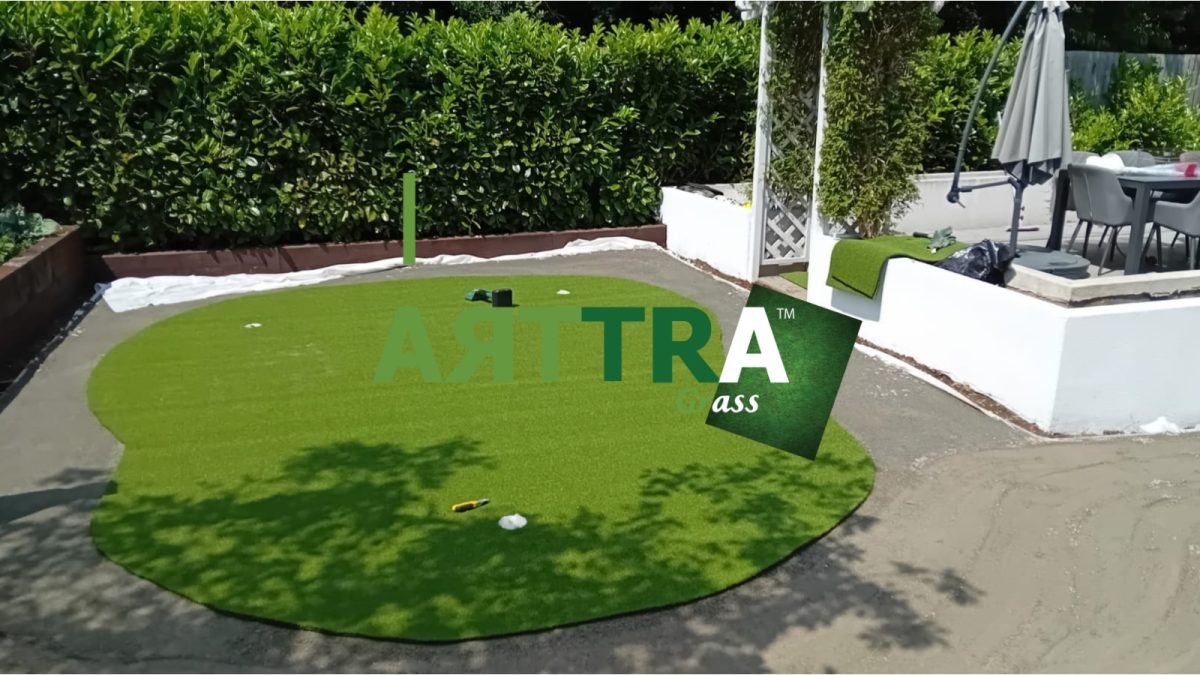
Does a Putting Green Increase Property Value

For a detailed explanation, visit our Artificial Putting Green Installation Service page.

FAQs – Does a Putting Green Increase Property Value?

1. Does a putting green directly increase house price?

Not automatically, but it can improve desirability and buyer appeal.

2. Are artificial putting greens better for resale than natural?

Yes, due to lower maintenance requirements.

3. Can a putting green make a property harder to sell?

Only if poorly installed or unsuitable for the garden size.

4. Do estate agents value putting greens?

They may view them as lifestyle features rather than structural improvements.

5. Does it work better in high-end markets?

Yes, premium properties benefit more from experiential features.

6. Is installation quality important?

Absolutely — poor installation can negatively impact appeal.

7. Can it help a property sell faster?

In some markets, distinctive features can increase interest.

8. Does removing lawn space reduce value?

It can in family-focused areas, so balance is important.

9. Is artificial turf preferable for buyers?

Generally yes, due to reduced maintenance.

10. Should I install one purely for resale?

It’s best installed for lifestyle enjoyment first, resale second.

GET IN TOUCH

Arrange a Quotation

Categories
Back Garden Commercial Residential

Artificial vs Natural Putting Greens: Which Is Better in the UK?

If you’re comparing artificial vs natural putting greens, you’re likely deciding between tradition and practicality.

Natural greens offer authenticity and heritage.
Artificial greens offer consistency, durability and year-round usability.

But which is actually better for UK homes, golf clubs or commercial spaces?

Let’s break it down properly — cost, performance, maintenance and long-term value.

1. Installation Cost Comparison

Natural Putting Green Installation

Natural greens require:

  • Soil preparation
  • Drainage installation
  • Irrigation systems
  • Specialist turf selection
  • Professional landscaping

Typical installation costs can exceed:

£10,000–£25,000+

This does not include long-term maintenance.

Artificial Putting Green Installation

Artificial systems require:

  • Excavation
  • Sub-base engineering
  • Drainage layers
  • Specialist putting turf

Residential installations typically range:

£3,000–£12,000+

No irrigation system required.

Cost Verdict

Artificial putting greens generally cost less upfront and significantly less long-term.

See a breakdown in our artificial grass putting green cost guide.

2. Maintenance Requirements

Natural Greens

Require:

  • Regular mowing
  • Irrigation
  • Fertilising
  • Aeration
  • Pest control
  • Disease treatment
  • Reseeding

Maintaining professional speed requires skilled grounds keeping.

Artificial Greens

Require:

  • Occasional brushing
  • Debris removal
  • Minor infill top-ups

No mowing.
No watering.
No fertiliser.

Maintenance Verdict

Artificial putting greens are dramatically lower maintenance — especially in the UK climate.

3. All Year Round Usability in the UK

Natural Greens

Affected by:

  • Heavy rainfall
  • Frost
  • Mud
  • Drought
  • Compaction

Surface speed fluctuates with weather conditions.

Artificial Greens

  • Drain rapidly
  • Maintain consistent roll
  • Perform in wet conditions
  • Remain usable all year round

Consistency is the major advantage.

Performance & Ball Roll

Natural Greens

Offer:

  • Authentic organic feel
  • Variable speed
  • Break influenced by grass growth

Performance changes with moisture levels.

Artificial Greens

Provide:

  • Controlled speed
  • Predictable roll
  • Calibrated performance
  • Consistent pace

Well-installed artificial greens can replicate 8–12 Stimp speeds.

Performance Verdict

Natural greens feel traditional.
Artificial greens feel consistent.

For practice reliability, artificial often wins.

5. Drainage & Ground Stability

UK soil — especially clay-heavy areas — presents challenges.

Natural Greens

Require complex drainage systems.
Waterlogging can damage turf.

Artificial Greens

Installed over engineered sub-base systems that:

  • Encourage rapid water dispersion
  • Prevent pooling
  • Protect structural integrity

Drainage reliability favours artificial systems.

6. Longevity

Natural Greens

  • Prone to wear
  • Patchiness over time
  • Require renovation

Artificial Greens

  • 12–15+ year lifespan residential
  • 8–12 years commercial
  • Minimal degradation

Artificial systems maintain aesthetic consistency far longer.

7. Environmental Considerations

Natural Greens

High water consumption.
Fertiliser runoff risk.
Chemical treatments.

Artificial Greens

No irrigation required.
No fertiliser.
Reduced chemical use.

While artificial turf is synthetic, water savings and chemical reduction are significant advantages.

8. Aesthetic Appeal

Natural

Authentic look.
Seasonal variation.

Artificial

Consistent green appearance.
No brown patches.
No seasonal die-back.

For high-end properties or commercial spaces, visual reliability matters.

Artificial vs Natural Putting Greens: Side-by-Side Summary

FactorNaturalArtificial
Installation CostHighModerate
MaintenanceIntensiveMinimal
Water UseHighNone
Weather ResistanceVariableConsistent
LongevityModerateLong-term
Year-Round PlayLimitedYes
Speed ConsistencyVariableControlled

Which Should You Choose?

Choose Natural If:

  • You prioritise traditional feel
  • You have irrigation capability
  • You accept high maintenance

Choose Artificial If:

  • You want consistent performance
  • You prefer low maintenance
  • You want predictable costs
  • You want all year round usability

For most UK homeowners and commercial venues, artificial putting greens offer stronger long-term value.

Learn more by visiting our Artificial Putting Green Installation Service page.

FAQs – Artificial vs Natural Putting Greens

1. Are artificial putting greens realistic?

Yes, modern turf systems replicate realistic speed and ball roll.

2. Do natural greens perform better?

They offer traditional feel but are less consistent in changing weather.

3. Which lasts longer?

Artificial putting greens typically last longer with minimal upkeep.

4. Are artificial greens cheaper long-term?

Yes, maintenance and water savings reduce lifetime costs.

5. Do artificial greens drain well?

Yes, when professionally installed.

6. Is maintenance expensive for natural greens?

Yes, regular mowing, fertilising and irrigation add ongoing costs.

7. Can artificial greens look authentic?

Yes, especially when designed with fringe and contouring.

8. Are natural greens environmentally friendly?

They require significant water and chemical use.

9. Can artificial greens increase property appeal?

Yes, particularly for golf enthusiasts.

10. Which is better for commercial venues?

Artificial greens are typically more practical for commercial settings.

GET IN TOUCH

Arrange a Quotation

Categories
Back Garden Commercial Residential

Best Artificial Grass for 2026: Why Bio-Backed 40mm Turf Leads the Market

If you’re searching for the best artificial grass for 2026, you’re not just looking for something green — you’re looking for durability, realism, environmental responsibility, and long-term value.

In 2026, artificial turf standards have evolved. Homeowners, landscapers, and commercial developers now expect:

  • Natural aesthetics
  • Dense, premium yarn construction
  • Eco-conscious manufacturing
  • Long-term structural durability
  • Realistic pile height
  • Strong drainage & backing systems

One product stands ahead of the competition: ARTTRAGrass® BioGrass.

Let’s break down why.

What Defines the Best Artificial Grass for 2026?

1. Eco-Friendly Backing Technology (The 2026 Standard)

Sustainability is no longer optional.

The best artificial grass in 2026 must reduce environmental impact without sacrificing performance.

BioGrass features:

  • Double-layer bio-based green backing
  • Environmentally conscious coating
  • Enhanced structural stability
  • Long-term durability against delamination

Unlike traditional black latex backing, the green bio coating improves environmental credentials while blending more naturally during installation.

Why this matters:
Landscapers and homeowners increasingly prioritise eco-friendly landscaping solutions. Bio-backed turf positions your project ahead of regulations and consumer expectations.

2. Dense Thickness & 8800 Dtex Yarn Construction

Thin turf looks artificial. Premium turf looks real.

BioGrass features:

  • 8800 dtex yarn
  • 2.8kg per sqm total weight
  • 3/8 gauge stitching
  • 25 stitches per 10cm

This combination creates a thick, plush, upright finish that resists flattening — even in high-traffic areas.

In 2026, density equals luxury.

Lower-density grass mats down quickly and exposes backing. High-density turf maintains structure and visual depth.

3. The Perfect 40mm Pile Height for Modern Landscaping

Why is 40mm considered the premium standard?

Because it delivers:

  • Rich, landscaped depth
  • Realistic lawn profile
  • Cushion underfoot
  • A luxury garden aesthetic

Too short looks synthetic.
Too long looks overgrown.

40mm is the sweet spot — and BioGrass executes it perfectly.

4. Realistic Multi-Tone Colour Blend

The best artificial grass for 2026 must fool the eye.

BioGrass uses:

  • 3 vibrant green tones
  • Subtle light brown thatch layer
  • PE (C-shape) straight yarn
  • PP curly yarn base

This layered yarn technology mimics how real grass grows — upright blades supported by curled base fibres.

The result?

A lawn that looks natural in:

  • Bright sunlight
  • Overcast conditions
  • Commercial landscapes
  • Residential gardens

5. Built for High-Traffic Areas

In 2026, artificial grass isn’t just for decoration.

It’s used for:

  • Family gardens
  • Pet areas
  • Schools
  • Hospitality venues
  • Rooftop terraces
  • Commercial developments

BioGrass combines resilience and softness — meaning it feels comfortable but recovers quickly from pressure.

This balance is what separates premium turf from budget imports.

Why ARTTRAGrass® BioGrass Is the Best Artificial Grass for 2026

Let’s summarise:

FeatureBioGrass Advantage
BackingBio-based green double layer
Density8800 dtex, 2.8kg per sqm
RealismMulti-tone + thatch
Pile HeightIdeal 40mm
DurabilityHigh-traffic resistant
SustainabilityEnvironmentally conscious design

While many suppliers compete on price, BioGrass competes on performance, longevity, and environmental responsibility.

That’s why it leads 2026’s artificial turf market.

Who Is BioGrass Perfect For?

  • Homeowners upgrading gardens
  • Landscape architects
  • Property developers
  • Hospitality venues
  • Commercial property managers
  • Schools & nurseries

If you want a lawn that:

Looks real
Feels natural
Lasts for years
Supports sustainable landscaping

BioGrass is the clear choice.

Best Artificial Grass for 2026

Frequently Asked Questions: Best Artificial Grass for 2026

What is the best artificial grass for 2026?

The best artificial grass for 2026 is a high-density, bio-backed 40mm turf that combines eco-friendly backing, realistic multi-tone yarn, and durable 8800 dtex construction. Premium artificial grass should look natural, resist flattening, and perform in both residential and commercial environments.


Why is bio-backed artificial grass better?

Bio-backed artificial grass is better because it reduces environmental impact while improving structural strength. A double-layer bio-based green backing enhances durability, prevents delamination, and supports sustainable landscaping standards expected in 2026.


Is 40mm artificial grass the best pile height?

Yes, 40mm artificial grass is considered the premium pile height for 2026. It offers the ideal balance between realism, softness, and durability. Shorter piles can look synthetic, while longer piles may flatten more easily.


What does 8800 dtex mean in artificial grass?

8800 dtex refers to the yarn thickness and density of artificial grass fibres. Higher dtex values indicate thicker, stronger blades that create a fuller appearance and improved resilience in high-traffic areas.


How long does premium artificial grass last?

Premium high-density artificial grass with strong backing can last 10 to 15 years or more when professionally installed and properly maintained. Longevity depends on traffic levels, drainage, and base preparation.


What makes artificial grass look realistic?

Artificial grass looks realistic when it includes multiple green tones, a light brown thatch layer, C-shaped PE yarn, and dense stitch rates. These features replicate natural lawn growth patterns and improve visual depth.

Ready to Upgrade to the Best Artificial Grass for 2026?

Don’t settle for average turf that fades, flattens, or looks artificial.

Choose a lawn engineered for the future.

Experience the Difference with ARTTRAGrass® BioGrass

✔ Eco bio-backed technology
✔ Ultra-dense 8800 dtex yarn
✔ Luxurious 40mm pile height
✔ Natural multi-tone realism
✔ Built for residential & commercial use

Request a Free Sample Today

Get a Custom Quote for Your Project or Speak to a Turf Specialist Now at 0800 433 2353

The best artificial grass for 2026 isn’t coming soon.
It’s already here.

GET IN TOUCH

Schedule a Visit

Categories
Back Garden Commercial

Commercial Artificial Putting Greens Installation UK

Commercial artificial putting greens are more than a visual feature — they are high-impact engagement assets designed to attract customers, enhance dwell time and elevate brand perception.

At ARTTRAGrass®, we design and install bespoke commercial artificial putting greens across the UK for hospitality venues, corporate spaces, leisure facilities and developers seeking a premium golf experience.

Whether you require a statement entrance feature or a full-scale practice green, we engineer surfaces built for performance, durability and long-term commercial use.

Why Businesses Invest in Commercial Putting Greens

A professionally installed putting green creates:

✔ Increased customer engagement
✔ Higher dwell time
✔ Event activation opportunities
✔ Premium brand positioning
✔ Social media visibility
✔ Staff wellbeing initiatives
✔ Added property appeal

In commercial environments, experience drives revenue. Golf-themed spaces provide interactive value that static landscaping cannot.

Sectors We Work With

Hotels & Resorts

Luxury hospitality venues use putting greens to:

  • Enhance guest experience
  • Create family-friendly amenities
  • Host golf-themed events
  • Increase repeat bookings

A professionally designed green elevates outdoor space into a feature attraction.

Corporate Offices & Business Parks

Modern businesses are investing in:

  • Staff wellbeing zones
  • Breakout social areas
  • Executive entertainment spaces

A putting green creates a unique corporate identity while promoting team engagement.

Golf Clubs & Practice Facilities

For golf clubs, academies and driving ranges, commercial artificial putting greens offer:

  • All year round practice
  • Low-maintenance training areas
  • Consistent performance
  • Reduced maintenance costs

Unlike natural greens, artificial surfaces maintain reliable speed regardless of weather.

Leisure Venues & Retail Spaces

Shopping centres, entertainment venues and event spaces benefit from:

  • Interactive installations
  • Promotional brand activations
  • Event-ready surfaces

Custom branding can be incorporated directly into the surface.

Schools & Sports Academies

Educational institutions value:

  • Safe, low-maintenance surfaces
  • Structured sports programmes
  • All-weather usability

Artificial putting greens eliminate mowing, watering and seasonal deterioration.

Visit our Artificial Grass Putting Green Installation Service page to find out more.

What Makes Commercial Installation Different?

Commercial artificial putting greens must withstand:

  • Higher foot traffic
  • Event usage
  • Regular group interaction
  • Variable weather exposure

This requires a more robust specification than residential installations.

Heavy-Duty Sub-Base Engineering

Commercial projects include:

  • Deeper excavation
  • Reinforced edge restraints
  • Layered compaction
  • Advanced drainage systems

Ground engineering is critical to long-term structural stability.

Professional-Grade Turf Selection

We specify:

  • High-density nylon putting turf
  • Reinforced backing systems
  • Performance-calibrated infill
  • Custom fringe integration

Speed can be tailored to meet training or recreational requirements.

Drainage Designed for the UK Climate

Rainfall resilience is essential.

Our commercial systems are designed to:

  • Prevent pooling
  • Maintain consistent roll
  • Protect sub-base integrity

This ensures uninterrupted use throughout the year.

Bespoke Design & Branding Options

Commercial artificial putting greens can be customised with:

  • Corporate logos integrated into turf
  • Branded hole surrounds
  • Custom colour accents
  • Integrated chipping zones
  • Sand bunkers
  • Feature lighting

This transforms the green into a branded marketing asset.

Commercial Artificial Putting Greens vs Natural Greens

For commercial settings, artificial systems offer:

No mowing
No irrigation
No fertiliser
No turf disease
Consistent speed
Reduced long-term maintenance costs

Natural greens require intensive upkeep and skilled grounds management — often unsuitable for multi-use commercial environments.

ARTTRAGrass Putting Greens

Investment Range for Commercial Installation

Commercial artificial putting green costs typically range from:

£150–£250 per m²

Final pricing depends on:

  • Size and layout
  • Ground conditions
  • Contouring complexity
  • Branding elements
  • Access logistics
  • Project scale

Large commercial installations may require phased development planning.

Why Choose ARTTRAGrass® for Commercial Projects?

UK-wide installation
Performance-engineered surfaces
Bespoke design capability
Branding integration
Proven commercial expertise
Long-term durability focus

We approach every project with structural engineering precision — not just landscaping aesthetics.

Project Process

Consultation & Site Assessment
Design Proposal & Layout Planning
Ground Engineering & Sub-Base Installation
Turf Installation & Calibration
Final Performance Testing

Every commercial installation is delivered with precision and attention to long-term performance.

Future-Proofing Your Investment

Commercial artificial putting greens provide:

  • Predictable maintenance costs
  • Reduced water consumption
  • All year round accessibility
  • Long-term surface stability

For businesses, this means controlled expenditure and measurable ROI.

FAQs – Commercial Artificial Putting Greens

1. How much do commercial artificial putting greens cost?

Typically between £150–£250 per m² depending on specification and design.

2. Are artificial greens suitable for heavy foot traffic?

Yes, when installed with reinforced sub-base engineering.

3. Can you integrate company logos?

Yes, logos and branding can be embedded into the turf.

4. How long do commercial putting greens last?

8–12 years depending on usage and maintenance.

5. Do they drain well in heavy rain?

Yes, professional systems are engineered for UK weather conditions.

6. Are they suitable for golf clubs?

Yes, many clubs use artificial greens for all year round practice.

7. What maintenance is required?

Light brushing and debris removal; no mowing or watering required.

8. Can greens be customised?

Yes, including bunkers, fringe areas and lighting.

9. Are artificial greens cheaper than natural long-term?

Yes, maintenance and irrigation savings reduce lifetime cost.

10. Do you install across the UK?

Yes, ARTTRAGrass® provides nationwide commercial installation.

GET IN TOUCH

Arrange a Quotation

Categories
Back Garden Residential

Best Artificial Grass for Putting Greens (UK Expert Guide)

Choosing the best artificial grass for putting greens is one of the most important decisions in any installation. The wrong turf will result in inconsistent ball roll, unrealistic speed and long-term performance issues.

Unlike standard artificial lawn products, putting green turf is engineered for precision, pace control and durability. In this guide, we explain exactly what separates professional-grade putting grass from decorative alternatives.

Why Not All Artificial Grass Is Suitable for Putting Greens

Many homeowners assume any short-pile artificial grass can function as a putting surface. It cannot.

Putting greens require:

  • Controlled ball roll
  • Minimal fibre resistance
  • Even surface tension
  • Stable backing
  • Compatible infill

Decorative garden grass is designed for aesthetics. Putting turf is designed for performance.

Key Features of the Best Artificial Grass for Putting Greens

1. Pile Height

Ideal putting green pile height is typically:

10mm–15mm

Too long:

  • Slows ball speed
  • Causes drag

Too short:

  • Reduces cushioning
  • Feels unnatural

Professional-grade putting turf is calibrated for consistent pace.

2. Fibre Density

Density determines:

  • Ball tracking stability
  • Surface consistency
  • Longevity

High-density fibres prevent the ball from wobbling or deviating during roll.

Low-density turf often causes unpredictable breaks.

3. Yarn Type & Structure

The best artificial putting turf uses:

  • Texturised nylon or polypropylene
  • Curled or fibrillated fibres
  • Reinforced backing systems

These materials maintain structure under repeated foot traffic and practice sessions.

4. Backing Strength

Strong backing prevents:

  • Stretching
  • Rippling
  • Movement over time

Professional turf uses latex or polyurethane-backed systems designed for stability.

5. Infill Compatibility

Infill affects:

  • Ball speed
  • Surface firmness
  • Shock absorption

Common infills:

  • Kiln-dried silica sand
  • Specialist performance infill blends

Incorrect infill selection compromises speed and realism.

ARTTRAGrass Putting Green UK

What Speed Should a Putting Green Be?

Putting green speed is often compared using the Stimpmeter scale.

Residential greens typically aim for:

  • 8–10 Stimp (realistic practice speed)

Advanced golfers may prefer:

  • 10–12 Stimp

Professional installers adjust:

  • Base firmness
  • Infill levels
  • Fibre brushing direction

DIY installations rarely achieve controlled speed calibration.

Fringe vs Putting Surface: Why It Matters

The best artificial grass for putting greens often includes:

  • Short-pile putting surface
  • Slightly longer fringe grass
  • Defined chipping zones

This creates:

  • Visual contrast
  • Functional realism
  • Professional aesthetics

Using one turf type throughout reduces authenticity.

Drainage Performance in the UK Climate

In the UK, drainage is critical.

High-quality putting turf must:

  • Allow rapid water permeability
  • Prevent pooling
  • Maintain structural integrity in heavy rain

Poor drainage leads to:

  • Surface movement
  • Base failure
  • Inconsistent ball roll

The turf and sub-base must work together.

Nylon vs Polypropylene for Putting Greens

Nylon

✔ Stronger
✔ More durable
✔ Better heat resistance
✔ Premium performance

Higher cost but longer lifespan.

Polypropylene

✔ More affordable
✔ Adequate for light residential use
✖ Slightly less durable

Commercial installations typically favour nylon-based systems.

How Long Does Premium Putting Turf Last?

With professional installation:

  • 12–15+ years residential
  • 8–12 years commercial

Longevity depends on:

  • Base preparation
  • Usage levels
  • Maintenance

Cheap turf may degrade within 3–5 years.

Common Mistakes When Choosing Putting Turf

  • Selecting decorative lawn grass
  • Ignoring fibre density
  • Choosing based on price alone
  • Overlooking drainage capability
  • Installing without proper base engineering

Performance always comes down to specification.

Why Professional Selection Matters

The best artificial grass for putting greens is not just about the product — it’s about matching turf specification to:

  • Ground conditions
  • Desired speed
  • Usage frequency
  • Design complexity

Professional installers assess:

  • Soil composition
  • Drainage risk
  • Sun exposure
  • Sub-base depth

This ensures performance is engineered, not guessed. To learn more, visit our Artificial Putting Green Installation Service page.

The Bottom Line

If your goal is:

✔ Realistic ball roll
✔ Controlled speed
✔ Long-term durability
✔ Professional finish

The best artificial grass for putting greens is a specialist performance turf — professionally selected and installed.

Choosing the right product at the beginning prevents costly corrections later. Find out the cost to install putting greens professionally below.

FAQs – Best Artificial Grass for Putting Greens

1. What pile height is best for putting greens?

Typically 10–15mm for optimal speed and control.

2. Can I use normal artificial lawn grass?

No, decorative turf does not provide consistent ball roll.

3. What fibre type is best?

Nylon is generally preferred for durability and performance.

4. How fast can artificial putting greens be?

They can be calibrated to 8–12 on the Stimpmeter scale.

5. Does infill affect ball speed?

Yes, infill significantly impacts pace and surface firmness.

6. How long does putting turf last?

Premium turf lasts 12–15+ years with proper installation.

7. Is nylon better than polypropylene?

Nylon offers superior durability and heat resistance.

8. Can artificial putting greens drain well?

Yes, when installed with correct sub-base preparation.

9. Does density matter?

Yes, higher density ensures consistent ball roll.

10. Is professional installation necessary?

For performance and longevity, professional installation is highly recommended.

GET IN TOUCH

Schedule a Visit

Categories
Back Garden Residential

DIY vs Professional Artificial Putting Green Installation: Which Is Worth It?

If you’re comparing DIY vs professional artificial putting green installation, you’re likely trying to answer one important question:

“Is it worth paying for professional installation, or can I do it myself?”

The short answer?
It depends on what you expect from your putting green.

If you want a decorative feature, DIY might work.

If you want consistent ball roll, realistic speed and long-term durability — professional installation almost always delivers better value.

Let’s break it down properly.

The Real Difference Between DIY and Professional Installation

The difference isn’t just labour.

It’s engineering.

A putting green is not standard artificial grass. It’s a performance surface that relies on:

  • Ground stability
  • Sub-base compaction
  • Drainage control
  • Contouring precision
  • Turf specification
  • Infill calibration

Miss one of these and performance suffers.

What DIY Putting Green Installation Involves

Excavation

You must remove:

  • Existing turf
  • Organic matter
  • Topsoil

Depth: Typically 100–200mm depending on soil type.

Common DIY issue:
Insufficient excavation leading to sinking and uneven surfaces.

Sub-Base Installation

Professionals use:

  • MOT Type 1 aggregate
  • Layered compaction
  • Mechanical plate compactors
  • Moisture control

DIY risk:
Poor compaction causes dips and inconsistent ball roll within months.

Artificial Putting Green Installation Process

Contouring & Design

Professional installers:

  • Create engineered slopes
  • Shape subtle undulations
  • Position holes strategically
  • Control green speed

DIY kits often produce flat, unrealistic surfaces.

Drainage Management

Without correct drainage:

  • Water pools
  • Sub-base shifts
  • Turf separates
  • Edges lift

Professionals design for heavy UK rainfall conditions.

The True Cost Comparison

DIY Installation Costs

  • DIY kit: £1,000–£4,000
  • Aggregate & materials: £500–£2,000
  • Tool hire: £200–£600
  • Waste removal: £300–£800
  • Your time: Significant

Total potential spend: £2,000–£7,000+

But this excludes performance correction if mistakes occur.

Professional Installation Costs

  • Small greens: £3,000–£6,000
  • Medium greens: £6,000–£12,000
  • Larger bespoke: £12,000+

Includes:
✔ Ground engineering
✔ Drainage control
✔ Performance shaping
✔ Speed-rated putting turf
✔ Structural edging
✔ Longevity

See our guide about artificial putting green installation prices here.

Performance: Where DIY Usually Fails

Ball Roll Consistency

Even slight unevenness affects:

  • Pace control
  • Break reading
  • Practice quality

Professionally installed greens are calibrated for predictable roll.

Longevity

DIY greens often require:

  • Re-levelling
  • Edge repairs
  • Drainage correction

Professional installations are built to last 15+ years.

Drainage in the UK Climate

Clay-heavy soils require:

  • Deeper excavation
  • Proper base layering
  • Water flow management

Ignoring this leads to premature failure.

When DIY Might Make Sense

DIY can work if:

  • You want a small decorative area
  • Performance is not critical
  • Budget is extremely limited
  • You accept potential long-term issues

For serious golfers, DIY is rarely satisfactory.

Why Professional Installation Is an Investment, Not an Expense

With professional installation you get:

  • Consistent performance
  • Structural integrity
  • Proper contour shaping
  • Warranty protection
  • Higher property appeal
  • Peace of mind

Instead of wondering if it was installed correctly, you focus on improving your short game.

For more detail, see our guide to Artificial Putting Green Installation.

The Hidden Risk: Doing It Twice

Many DIY projects end up being professionally corrected later.

This means:

DIY spend + Professional correction
= More than installing properly from the start.

The Bottom Line

If your goal is:

✔ Professional practice quality
✔ Long-term durability
✔ No drainage issues
✔ Strong resale appeal

Professional installation wins almost every time.

If you’re still weighing costs, review our detailed pricing breakdown before deciding.

FAQs – DIY vs Professional Artificial Putting Green Installation

1. Is DIY artificial putting green installation cheaper?

It can be initially cheaper but often leads to long-term correction costs.

2. How long does professional installation last?

Typically 15+ years with proper groundwork.

3. What is the biggest DIY mistake?

Insufficient sub-base compaction.

4. Can I achieve professional ball roll with DIY?

It is difficult without specialised equipment and experience.

5. Does drainage matter?

Yes, especially in the UK climate.

6. Are DIY kits suitable for large greens?

Not typically. Larger surfaces increase risk of uneven settling.

7. Does professional installation increase property appeal?

Yes, especially for golf enthusiasts.

8. Can professionals add contours and bunkers?

Yes, custom shaping is part of professional design.

9. Is maintenance different for DIY vs professional?

Professional groundwork reduces ongoing maintenance issues.

10. Is a professional installation worth the extra cost?

For performance and longevity, yes.

GET IN TOUCH

Schedule a Visit

Categories
Back Garden Commercial Residential

How Much Does an Artificial Putting Green Cost in the UK?

If you’re researching artificial putting green cost UK, you’re likely serious about installation. Whether for a luxury garden upgrade, commercial venue or integrated golf simulation cabin, understanding the real costs — and what influences them — is essential.

In this guide, we break down realistic UK price ranges, cost per m², what impacts installation pricing, and how to avoid expensive mistakes.

Average Artificial Putting Green Cost in the UK (2026)

Prices vary depending on size, groundwork and design complexity.

Typical Residential Garden Putting Green:

  • Small (15–25m²): £3,000 – £6,000
  • Medium (30–50m²): £6,000 – £12,000
  • Large Bespoke Greens: £12,000 – £25,000+

Commercial Installations:

  • £150 – £250 per m² (depending on specification)

These figures include professional excavation, sub-base installation and premium putting turf.

Artificial Putting Green Cost Per m² UK

A professional installation typically ranges between:

£120 – £250 per m²

Lower-end pricing usually excludes:

  • Advanced contouring
  • Bunkers
  • Reinforced edging
  • Drainage upgrades
  • Premium speed-rated turf

Be cautious of unusually low quotes — the base preparation is where performance is won or lost.

What Affects the Cost of Installation?

Ground Preparation

If your soil is:

  • Clay heavy
  • Uneven
  • Sloped
  • Poor draining

Costs will increase due to additional excavation and sub-base work.

Size of the Green

Larger greens reduce per m² cost but increase total spend.

Design Complexity

  • Multiple hole positions
  • Contours & undulations
  • Fringe cuts
  • Bunkers
  • Integrated chipping areas

The more realistic the design, the higher the cost.

Turf Quality & Speed Rating

Professional-grade putting turf costs more than decorative artificial grass.

True ball roll requires:

  • Dense pile structure
  • Specialist backing
  • Correct infill

Drainage & Sub-Base Depth

Professional installations use:

  • MOT Type 1 aggregate
  • Compacted layers
  • Granite dust blinding

This ensures:

  • No sinking
  • No movement
  • No waterlogging

Skipping this step reduces cost — but destroys longevity.

Why Cheap Putting Greens Fail

Many DIY or low-cost installations fail due to:

  • Insufficient excavation
  • Poor compaction
  • Incorrect turf choice
  • No contour shaping
  • Weak edging restraint

The result?

  • Inconsistent ball roll
  • Surface dips
  • Drainage problems
  • Premature replacement

A professional artificial grass putting green installation should last 15+ years.

Is an Artificial Putting Green Worth the Investment?

When evaluating artificial putting green cost UK, consider:

  • 365-day usability
  • Zero mowing costs
  • No irrigation
  • No fertiliser
  • No reseeding
  • Increased property appeal
  • All-year-round practice access

For serious golfers, the short-game improvement alone justifies the cost.

For commercial venues, it increases:

  • Dwell time
  • Customer engagement
  • Revenue potential

Cost of Integrating a Golf Simulation Cabin

If combining with a golf simulation cabin:

  • Simulator cabins start from £15,000+
  • Integrated putting zones increase realism
  • Complete installations can exceed £30,000

However, this creates a full golf training facility at home or commercially.

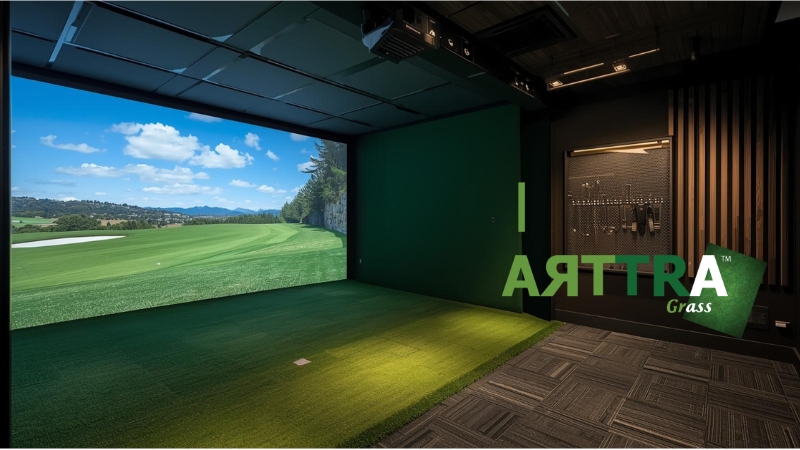
Golf Simulation Cabin UK

Why Professional Installation Saves Money Long-Term

While DIY kits may appear cheaper upfront, they often lead to:

  • Reinstallation costs
  • Turf replacement
  • Drainage corrections
  • Surface levelling repairs

Professional installation protects your investment.

GET IN TOUCH

Request a Detailed Cost Breakdown

Artificial Putting Green Cost London

When researching artificial putting green cost London, pricing can vary slightly due to access restrictions, congestion, parking logistics and waste removal requirements.

In Greater London, typical installation costs range from:

  • £150 – £260 per m²
  • Small garden greens from £4,000+

Urban installations often require:

  • Manual excavation in restricted access properties
  • Careful sub-base transport
  • Precision levelling in compact garden spaces

However, professionally installed greens in London properties significantly increase outdoor usability and add a luxury lifestyle feature that stands out in competitive property markets.

For tailored pricing and site assessment, visit our
Artificial Putting Green Installation Service Page

Artificial Putting Green Cost Milton Keynes

For homeowners searching artificial putting green cost Milton Keynes, pricing is often more predictable due to modern housing layouts and easier site access.

Milton Keynes developments typically feature:

  • Well-planned gardens
  • Better drainage infrastructure
  • Accessible properties for machinery

Typical installation costs:

  • £120 – £220 per m²
  • Standard garden installations from £3,500+

Because many properties in Milton Keynes are newer builds, base preparation may require less corrective groundwork — helping to optimise overall installation cost.

For a detailed quote tailored to your property, visit our
Artificial Putting Green Installation Service Page

Artificial Putting Green Cost Cambridge

If you are researching artificial putting green cost Cambridge, installation pricing can vary depending on property age, soil conditions and access constraints — particularly in period homes and conservation areas.

Typical installation costs in Cambridge range from:

  • £135 – £250 per m²
  • Small bespoke greens from £4,000+
  • Larger landscaped installations £10,000+

Cambridge properties often feature:

  • Established gardens requiring careful excavation
  • Tree root management considerations
  • Variable soil composition including chalk and clay
  • Planning sensitivity in heritage areas

For newer developments around the city and surrounding villages, access is typically easier, which can help optimise installation costs.

Because Cambridge has a strong sporting culture and high-value property market, professionally installed artificial putting greens are often considered a premium lifestyle addition — particularly for golf enthusiasts seeking year-round practice without lawn maintenance.

For a tailored quotation and professional site survey, visit our
Artificial Putting Green Installation Service Page

Putting Green Installation Near Me

If you’re searching for putting green installation near me, you’re likely looking for a trusted, professional installer operating in your local area.

At ARTTRAGrass®, we provide nationwide artificial putting green installation across:

  • London
  • Manchester
  • Birmingham
  • Milton Keynes
  • Cambridge
  • Surrounding counties and regional towns

Our experienced installation teams work across residential gardens, commercial venues, golf facilities and leisure developments throughout the UK.

Local Installation Experts with Nationwide Coverage

Unlike generic landscaping contractors, we specialise in:

  • Professional-grade putting turf
  • Engineered sub-base systems
  • Precision contour shaping
  • Drainage-optimised foundations
  • Integrated golf simulation cabins

This ensures your putting green performs consistently — whether installed in a compact London courtyard or a large Cambridge garden.

Why “Near Me” Matters

When homeowners search for:

  • putting green installers near me
  • artificial putting green company near me
  • local putting green installation
  • backyard putting green installation near me

They are typically ready to:

  • Request a survey
  • Get a quotation
  • Compare professional providers

That’s why we offer site visits and tailored quotations to ensure your installation is built correctly from the ground up.

Areas We Regularly Cover

In addition to major cities, we frequently install in:

  • Bedfordshire
  • Buckinghamshire
  • Northamptonshire
  • Hertfordshire
  • Oxfordshire
  • Essex
  • Greater London
  • The Midlands

If you’re unsure whether we cover your location, simply enquire — we provide UK-wide installation.

Book a Local Site Survey

Every installation begins with:

  • Site inspection
  • Ground assessment
  • Design consultation
  • Cost breakdown

To arrange your local survey, visit our
Artificial Putting Green Installation Service Page.

FAQs – Artificial Putting Green Cost UK

1. What is the average artificial putting green cost UK?

Most garden installations range from £3,000 to £12,000 depending on size and design.

2. What is the cost per m²?

Typically £120–£250 per m² professionally installed.

3. Is it cheaper to DIY?

Initial cost may be lower, but long-term performance is compromised.

4. How long does it last?

15+ years with proper installation.

5. Does size affect cost significantly?

Yes. Larger greens reduce per m² cost but increase total spend.

6. Are commercial installations more expensive?

Yes, due to durability requirements and specification.

7. Does drainage increase cost?

Yes, but it prevents long-term failure.

8. Can I add bunkers?

Yes, at additional cost.

9. Does contouring increase price?

Yes, shaping requires additional groundwork.

10. Do you offer UK-wide installation?

Yes. ARTTRAGrass® provided putting green installation across England, Scotland, and Wales.

GET IN TOUCH

Schedule a Visit

Categories
Back Garden

Transform Your Back Garden with Artificial Grass for Children’s Play

Transform your garden with artificial grass for children’s play. Artificial grass has become an increasingly popular choice for back gardens, providing a low-maintenance, safe, and vibrant space for children to play. It’s no wonder that families are turning to artificial turf to create the perfect outdoor environment that is both functional and visually appealing. Whether you’re designing a dedicated play area or upgrading your entire garden, artificial grass offers numerous benefits for children and parents alike.

In this article, we’ll explore the various uses of artificial grass in back gardens, highlight its advantages for children’s play, and showcase an exciting project by ARTTRAGrass that combined bespoke artificial grass designs with a renowned brand.

Benefits of Artificial Grass for Back Gardens

Low Maintenance and Year-Round Appeal

Natural grass requires regular mowing, watering, and maintenance, which can be time-consuming and costly. Artificial grass eliminates these concerns, providing a lush green lawn that looks perfect throughout the year, regardless of weather conditions.

Parents can focus on spending quality time with their children rather than maintaining the garden. The consistent appearance of artificial grass also ensures a welcoming and aesthetically pleasing environment for family activities.

Durable and Safe for Active Play

Artificial grass is designed to withstand heavy use, making it an ideal surface for children’s play areas. It’s resistant to wear and tear, ensuring that even the most energetic games won’t damage the turf.

Additionally, many artificial grass products come with soft underlayers or shock-absorbing properties, reducing the risk of injuries from falls and providing peace of mind for parents.

Artificial Grass for Children’s Play
Artificial Grass for Children’s Play Areas

Creative Uses of Artificial Grass for Children

Dedicated Play Areas

Artificial grass can be used to create specific zones in your garden for activities like trampolines, swing sets, or climbing frames. Unlike natural grass, it doesn’t turn muddy or patchy, ensuring a clean and safe space for children to enjoy their favourite activities.

Sports-Friendly Surfaces

For budding athletes, artificial grass can be customised to create mini football pitches, cricket zones, or multi-purpose sports areas. These surfaces are tailored to provide optimal performance while maintaining durability, allowing children to practice their skills in a professional-like setting.

Versatile Game Zones

Artificial grass can be paired with coloured markings or bespoke designs to create hopscotch patterns, obstacle courses, or themed play areas. Its versatility allows parents to foster creativity and design unique spaces that reflect their children’s interests.

Artificial Grass and Environmental Benefits

Artificial grass not only provides an excellent play surface but also has environmental advantages:

  • Water Conservation: It eliminates the need for regular watering, reducing water usage.
  • Reduced Chemicals: There’s no need for pesticides or fertilisers, making it eco-friendly and safe for children.
  • Recyclable Options: Many artificial grass products are now designed with sustainability in mind, using recyclable materials.

Why Artificial Grass is Perfect for Children’s Play

Clean and Mud-Free

One of the biggest challenges of natural grass is dealing with muddy patches after rain or wear. Artificial grass solves this issue, ensuring a clean play surface even after a downpour. This feature is especially beneficial for parents who want to avoid messy clothes and muddy footprints indoors.

Allergy-Friendly

Artificial grass eliminates the allergens found in natural grass, such as pollen. This makes it a great option for children with allergies, allowing them to enjoy the outdoors without discomfort.

Soft and Comfortable

With its cushioned feel and even surface, artificial grass offers a soft and inviting area for children to play, run, or relax. It’s gentle on bare feet and ideal for toddlers learning to walk.

Case Study: Bespoke Black and White Artificial Grass for a High-Street Retail Store

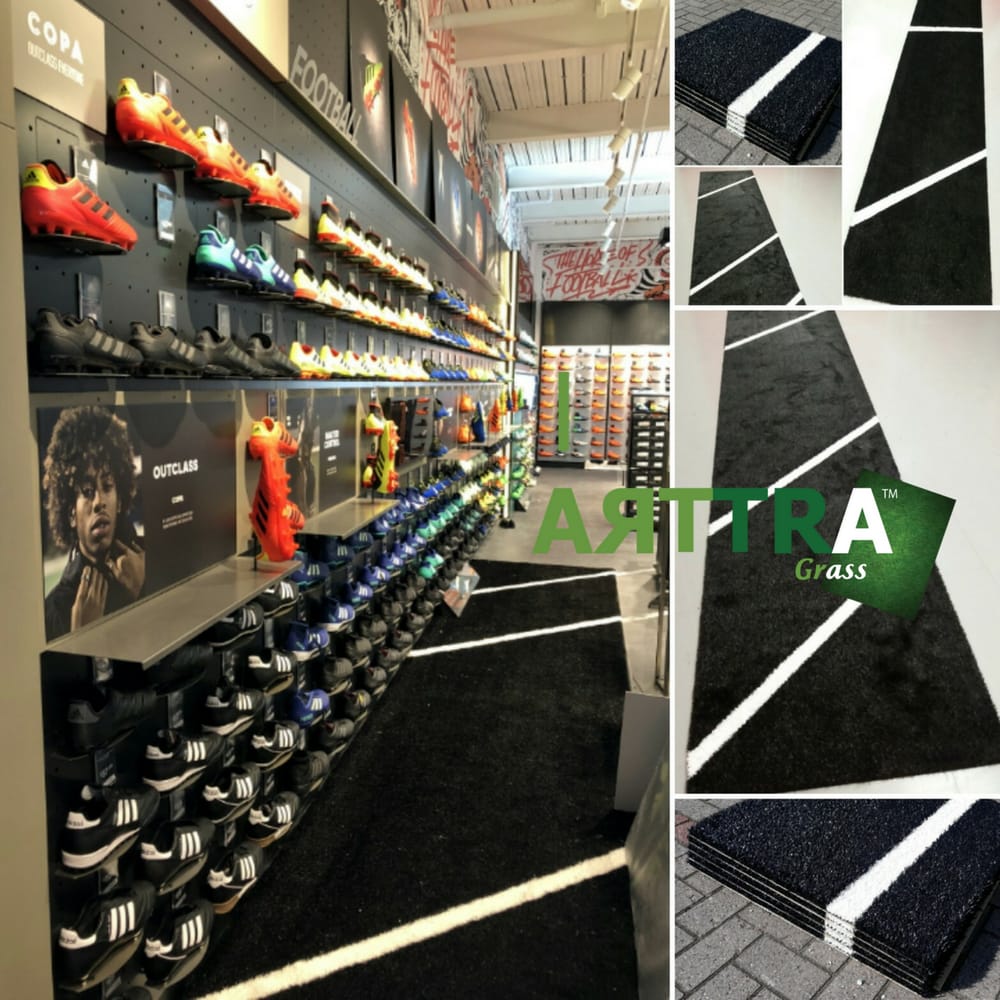
ARTTRAGrass recently completed a unique project using bespoke black and white artificial grass to promote a leading sportswear brand. This eye-catching flooring was installed in a high-street retail store to showcase Adidas trainers in a visually striking and engaging way.

The creative use of contrasting colours and precision installation demonstrated ARTTRAGrass’s ability to blend functionality with design. This project highlights how artificial grass can be adapted for branding purposes, offering businesses a versatile medium for innovative displays.

I recently came across the Adidas Predator Artificial Grass trainers, which reminded me of this project!

Installation Tips for Artificial Grass in Back Gardens

If you’re considering installing artificial grass in your back garden, follow these tips for the best results:

  1. Choose the Right Product: Select a high-quality artificial grass product suitable for children’s play. Look for features like soft textures, UV resistance, and durability.
  2. Proper Base Preparation: Ensure a stable and level base for your artificial grass. A well-prepared base enhances longevity and safety.
  3. Professional Installation: Hiring experts like ARTTRAGrass guarantees a flawless installation with attention to detail.
  4. Incorporate Shock Pads: Add shock-absorbing layers under the turf to enhance safety for children’s play areas.
  5. Regular Maintenance: Although low-maintenance, occasional brushing and cleaning keep the grass looking pristine.

FAQs about Artificial Grass for Back Gardens

1. Is artificial grass safe for children?

Yes, artificial grass is designed to be safe for children. It’s free from harmful chemicals, offers a cushioned surface, and reduces the risk of injuries.

2. Can pets use artificial grass in the garden?

Absolutely! Artificial grass is pet-friendly and easy to clean, making it suitable for both children and pets.

3. Does artificial grass get hot in the sun?

High-quality artificial grass is UV-resistant and designed to stay cooler, even during warm weather. Using shade or sprinkling water can also help on very hot days.

4. How long does artificial grass last?

With proper care, artificial grass can last 15–20 years, maintaining its appearance and functionality.

5. Can artificial grass be recycled?

Yes, many artificial grass products are made from recyclable materials, and some companies offer recycling programs.

6. Is artificial grass suitable for sports?

Yes, artificial grass is widely used for sports fields and can be customised for specific activities in back gardens.

7. How do I clean artificial grass?

Cleaning is simple. Use a brush to remove debris and rinse the surface occasionally with water. For pet areas, use a mild disinfectant.

8. Do I need planning permission for artificial grass?

In most cases, no planning permission is needed for installing artificial grass in your garden.

9. Can I install artificial grass myself?

While DIY installation is possible, professional installation ensures the best results and longevity.

10. Is artificial grass suitable for shaded gardens?

Yes, artificial grass thrives in shaded areas, maintaining its green appearance without sunlight.

The Perfect Solution for Creating a Vibrant, Safe, and Low-Maintenance Back Garden

Artificial grass is the perfect solution for creating a vibrant, safe, and low-maintenance back garden that children can enjoy throughout the year. Its durability, versatility, and aesthetic appeal make it a worthwhile investment for families.

From dedicated play zones to bespoke projects like the Adidas-inspired flooring, ARTTRAGrass demonstrates the limitless possibilities of artificial grass. Whether you’re transforming your garden or seeking innovative solutions for your business, artificial grass offers endless potential.

If you’re ready to create the perfect garden for your family, contact ARTTRAGrass today for expert advice and installation services.